

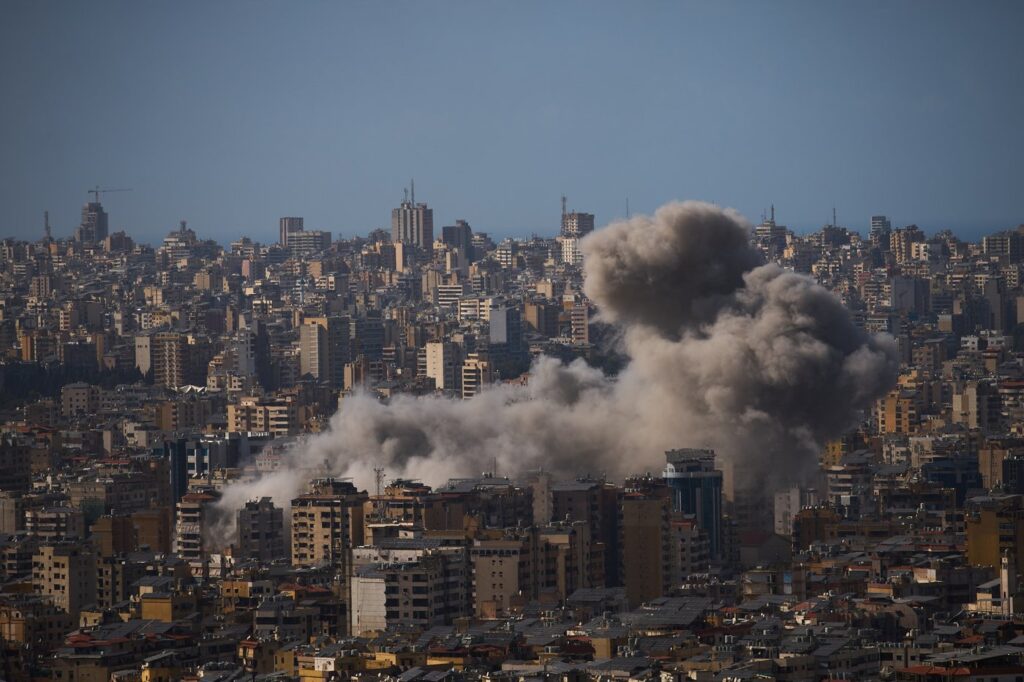
Dr. Mohammed Ziara, a burn surgeon who previously experienced the devastation of Gaza's healthcare system, is now witnessing a similar crisis unfold in Lebanon due to intensified Israeli military operations. Since the war between Israel and the Iran-backed group Hezbollah reignited on March 2, 2026, Israeli airstrikes have targeted southern Lebanon, resulting in a significant toll on the local health system and civilian infrastructure.
According to the Lebanese health ministry, at least 54 health professionals have been killed by Israeli airstrikes, and over 150 attacks have been documented against emergency medical workers and ambulances. Hospitals have been forced to shut down or evacuate due to the increasing intensity of the assaults. In Sidon, where Ziara now works, the first specialized burn unit within Lebanon's public health system has been established to cope with the growing number of casualties amid ongoing conflict, with reports indicating that 1,461 people have died and 4,430 have been injured in the latest violence.
The situation in Lebanon echoes the earlier crisis in Gaza, where numerous hospitals and ambulances were struck during bombardments. The Israeli military claims Hezbollah operates from civilian areas, utilizing medical facilities for military purposes, thus legitimizing their attacks under international law. Despite these assertions, there has been no independent verification of Hezbollah's activities within hospitals or any evidence provided by the Israeli military to support these claims. Hezbollah, on its part, denies any use of hospitals for military operations.
As the conflict escalates, the health system in Lebanon, already strained by economic collapse, struggles to cope with the influx of patients resulting from Israeli bombardments. Patients requiring urgent care are met with chaotic conditions, as hospitals become overwhelmed and lack essential supplies and staff. The fallout is not limited to health care; civilians throughout Lebanon report feeling unsafe, with many claiming that Israeli strikes can come without warning, adding to the pervasive terror reminiscent of the Gaza experience.
Mohammad Qubaisi, a civilian from Beirut, recently lost his 15-year-old son in an Israeli airstrike that struck their apartment building. The military justified the attack, claiming it was targeting Hezbollah, yet Qubaisi emphasized the tragedy of attacking civilian buildings. His harrowing experience serves as a stark reminder of the collateral damage inflicted amid the fighting, highlighting the ongoing suffering of those caught in the conflict's crossfire.
As Israel continues its military incursions, the Lebanese population is witnessing the systematic damage to their healthcare infrastructure and civilian safety. Dr. Ziara's return to Lebanon reflects a desperate attempt to provide care amidst the chaos and a recognition that, in the face of war, safety and stability are elusive goals. The growing death toll among medical professionals and civilians raises urgent questions regarding the ethics of military strategy in densely populated urban areas and the protection of non-combatants in armed conflict.
The implications of the conflict extend beyond immediate fatalities; they pose long-term challenges toLebanon’s already weakened health system and raise international scrutiny regarding compliance with humanitarian laws. As the circumstances in southern Lebanon worsen, calls for accountability and humanitarian intervention grow increasingly urgent.








