

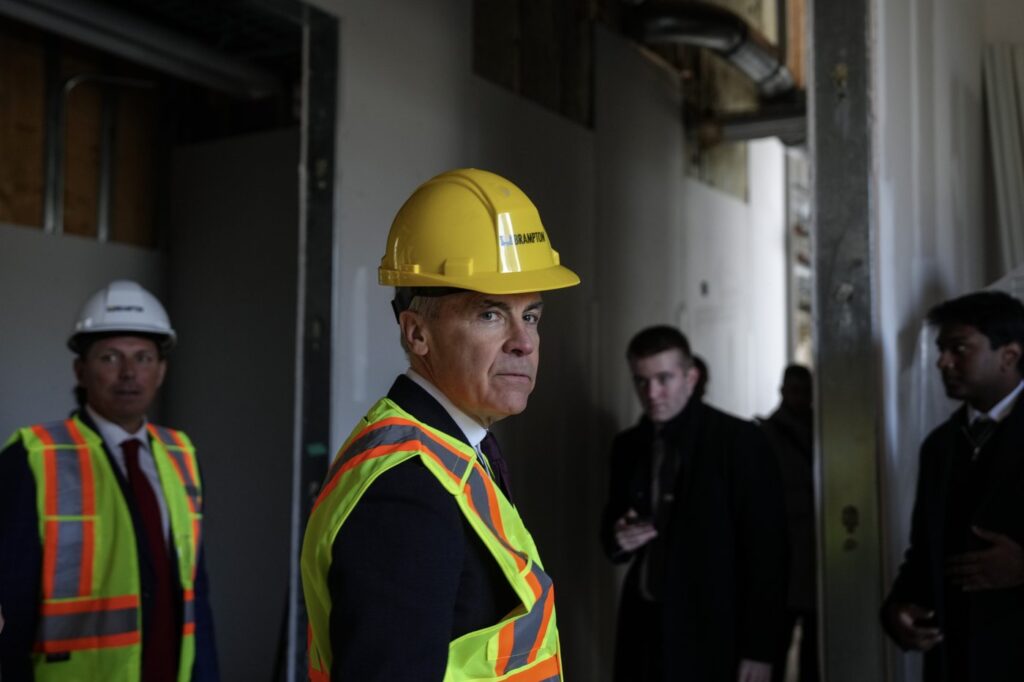
OTTAWA – Prime Minister Mark Carney is vigorously defending the Canadian government's ambitious high-speed rail project intended to connect Toronto and Quebec City. However, this initiative has been facing escalating opposition, primarily from communities where land will be expropriated to facilitate the construction.
Carney addressed these concerns, stating that the rail system would require approximately 10 metres of land to accommodate the route. He assured the public that affected landowners would receive compensation for their properties. The Prime Minister emphasized the project's potential to create a significant number of jobs and provide a substantial economic boost over the long term.
The backlash against the project has gained momentum, particularly among rural residents in Ontario and Quebec. Last week, Conservative Leader Pierre Poilievre called for the cancellation of the proposed rail line, reflecting the growing discontent in these regions over the impacts of the construction.
The first phase of the high-speed rail project, which will link Montreal and Ottawa, is scheduled to commence construction in 2029 or 2030. The anticipated cost for the entire project is estimated to range between $60 billion and $90 billion, making it one of the largest infrastructure undertakings in Canadian history.
In addition to addressing the land concerns surrounding the rail project, Carney also defended Finance Minister François-Philippe Champagne's adherence to government ethics rules. The Minister has recused himself from any involvement in the project to avoid potential conflicts of interest, thus ensuring transparency in the government's dealings.
This development was reported on April 7, 2026, amidst ongoing discussions and debates over the impact of large infrastructure projects on local communities. Carney’s commitment to the project highlights the government's focus on modernization and economic development in the face of public opposition.
As the timeline for construction approaches, the Canadian government will have to navigate the complexities of public sentiment and community needs while pushing forward with initiatives intended to enhance connectivity and foster economic growth. The ongoing dialogue between government officials and local communities will be pivotal in determining the project's ultimate feasibility and acceptance.








