

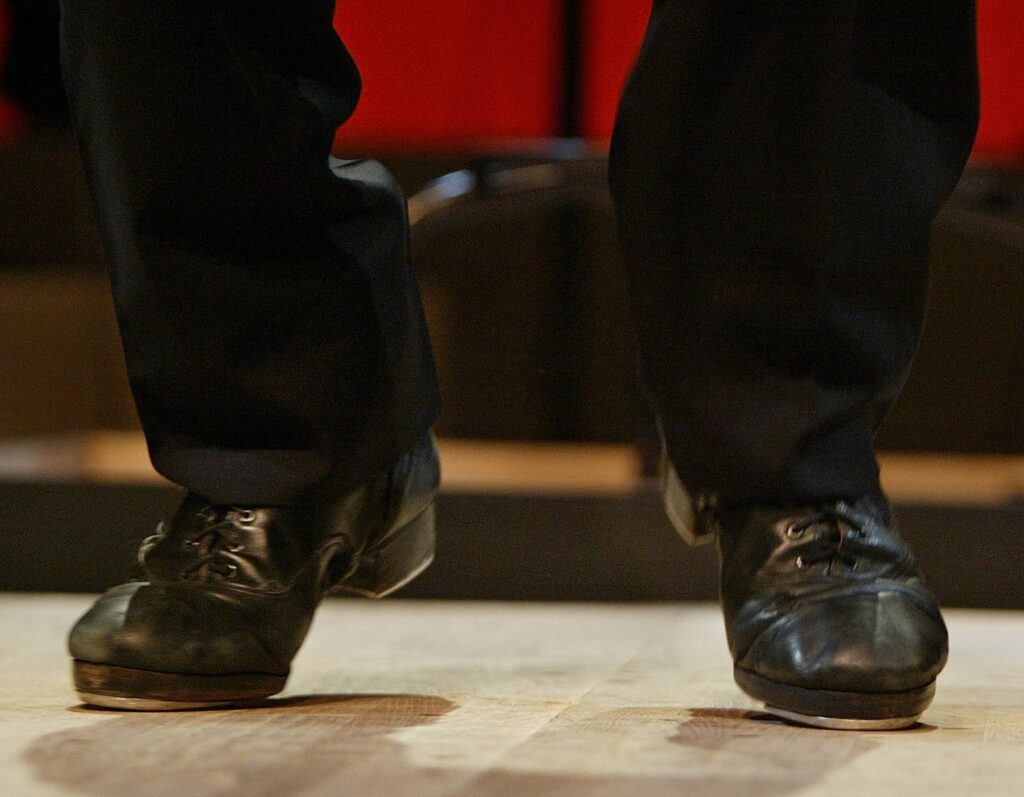
Tap dancing is a unique art form characterized by the use of tap shoes, which are fitted with metal plates on the soles. This allows dancers to create distinct musical sounds with their steps. Often referred to as "America’s dance," tap integrates elements of rhythm and syncopation intrinsic to its style.
The roots of tap dance can be traced back to a fusion of diverse cultural influences, particularly from enslaved people who were brought to the southern United States from central Africa. In the 18th century, under the constraints imposed by plantation owners who forbade the playing of musical instruments, these individuals utilized their feet to produce rhythmic stomping as a means of cultural expression and connection to their heritage.
As time progressed, the percussive footwork of tap dancing merged with the intricate styles brought over by various immigrant groups. Notably, Irish step dancing and English and Welsh clog dancing contributed to the evolution of tap. Initially, before the widespread use of metal plates on tap shoes, dancers resorted to attaching items such as nails or coins to their footwear to generate sound.
In the early 20th century, tap gained immense popularity as a form of entertainment, particularly through vaudeville variety shows. One of the prominent figures during this era was Bill “Bojangles” Robinson, who stood out as one of the few Black performers allowed to showcase his talent without a white partner during a racially segregated period in American history.
Tap dancing further solidified its place in popular culture, especially in cinema during the mid-20th century. Legends such as Gene Kelly, Fred Astaire, the Nicholas Brothers, and Shirley Temple showcased their tap skills on the big screen, bringing the dance form to a mainstream audience. However, as the century drew to a close, tap's widespread appeal began to diminish, although it continued to have notable figures and moments that kept its spirit alive. Dancers like Gregory Hines and Savion Glover, along with the animated film "Happy Feet," reignited interest in tap for newer generations.
This exploration of tap dance is part of a recurring series titled “American Objects,” commemorating the 250th anniversary of the United States. Tap dance not only serves as a form of entertainment but also as a historical reflection of the diverse cultural narratives that shape American identity. It stands as a testament to resilience and creativity, emerging from a blend of hardship and artistic expression, making it an integral component of American cultural heritage.
By exploring its history and evolution, we gain a deeper understanding of the art form’s significance beyond mere performance; it embodies a rich tapestry of cultural experiences, demonstrating how dance can serve as a medium for storytelling and legacy.








