

OTTAWA — Prime Minister Mark Carney has emphasized the need for leaders engaged in the ongoing conflict in Iran to "choose their words" carefully and to act with prudence. This comes in the context of heightened tensions following statements made by President Donald Trump regarding potential military actions against Iran.
In a recent post, President Trump threatened that “a whole civilization will die tonight, never to be brought back again,” if a deal to reopen the Strait of Hormuz is not reached. This statement followed his earlier, provocative remark about bombing Iran “back to the stone ages.” Such rhetoric has raised concerns among various international leaders about the implications of military action and its impact on civilian lives.
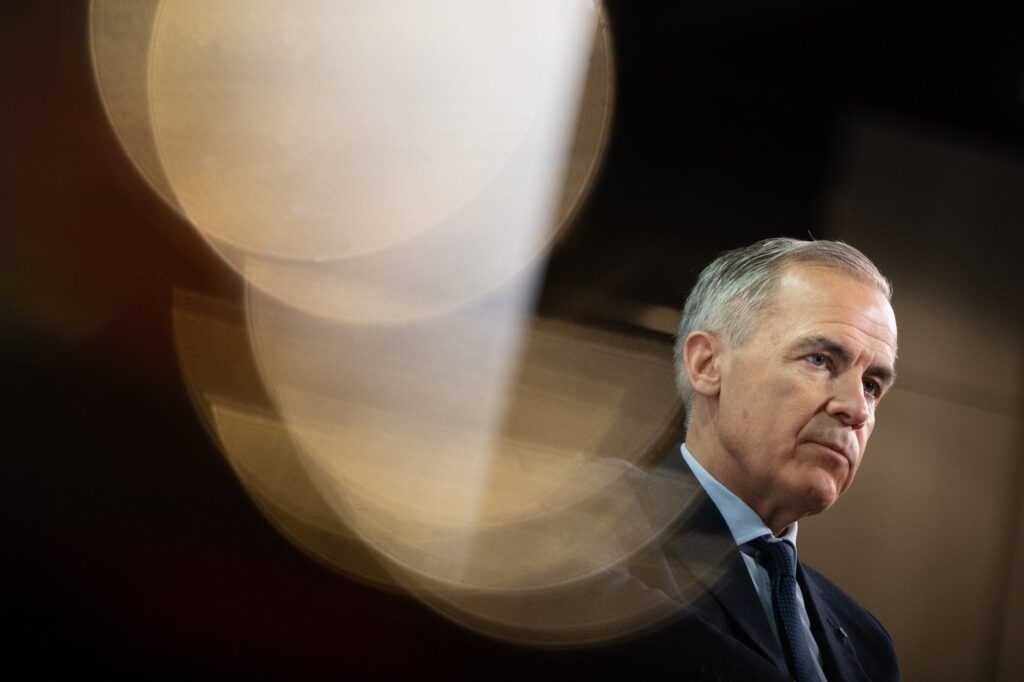
During a news conference held in Brampton, Ontario, Prime Minister Carney was queried about his stance on the inflammatory comments made by Trump. Instead of directly addressing Trump’s statements, Carney underscored the seriousness of the situation, urging all parties involved to refrain from targeting civilians and civilian infrastructure. He refrained from singling out any specific leader, promoting a message of collective responsibility in the context of international relations and diplomacy.
In recent days, calls for restraint have echoed across the global stage, with other leaders echoing Carney’s sentiments. UN Secretary-General Antonio Guterres has also issued warnings, reminding the United States that attacks on civilian infrastructure violate international law. This backdrop of escalating rhetoric and the potential for military action has created a climate of unease, highlighting the need for thoughtful communication among nations.
As leaders navigate the complexities of international diplomacy during this critical time, the emphasis remains on protecting civilian lives and infrastructure. The growing consensus among leaders, including Carney and Guterres, indicates a unified call for restraint and consideration in the face of provocative rhetoric and military threats.
This report was initially published on April 7, 2026, and illustrates the ongoing debates surrounding diplomacy and military strategy in one of the world's most volatile regions.








