

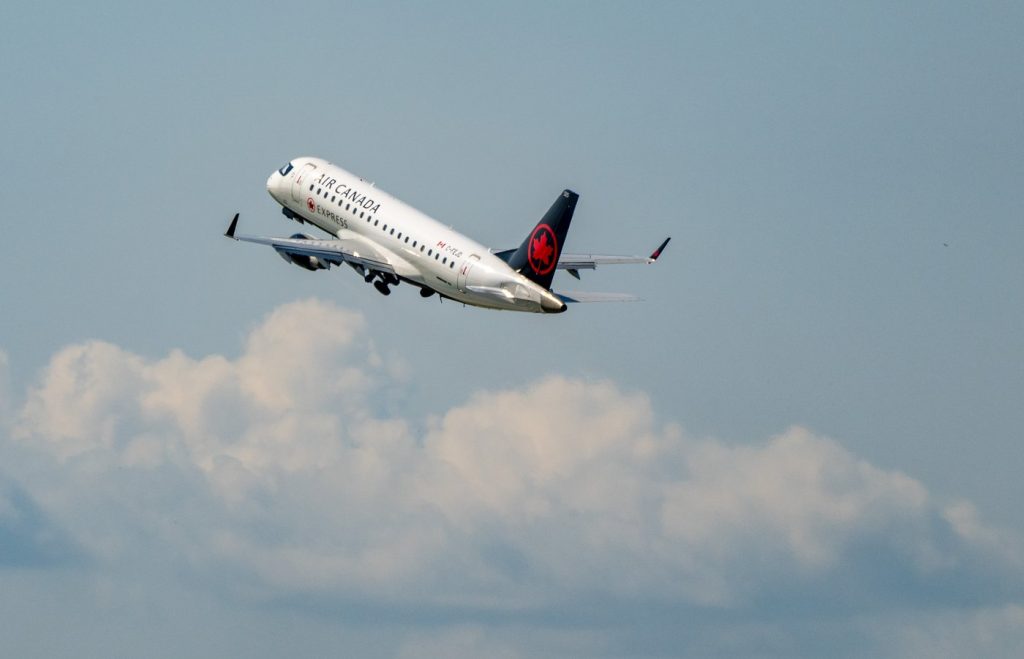
MONTREAL — Air Canada has initiated a pilot project aimed at creating an alternative process for resolving compensation claims, intending to alleviate the significant backlog experienced by the Canadian Transportation Agency (CTA). This initiative was announced on Wednesday and targets 500 randomly selected claimants who have lodged complaints regarding flight delays or cancellations. These complaints often involve requests for refunds or compensation.
The airline is financing a parallel arbitration process that will be administered by a subsidiary of the U.K.-based CDRL Group, a non-profit organization specializing in dispute resolution across various sectors, including retail and utilities. According to Air Canada, the arbitrator will make a ruling on the claims within 90 days of receiving complete information from both parties involved.
It is important to note that decisions made by the arbitrator will not be binding at this stage. However, there is potential for this to change if the project is expanded and made a permanent feature of Air Canada's operations. Customers will retain the option to reject the arbitrator's ruling and instead proceed with the CTA process without losing their position in the claims queue, as explained by Air Canada’s chief legal officer, Marc Barbeau.
The airline's expectation is that this project will enhance trust in its brand and mitigate customer dissatisfaction that often arises from prolonged wait times, which can reach up to three years due to the current backlog at the CTA, which stands at over 96,000 complaints.
As Barbeau conveyed to reporters during a briefing, "That trust can be shaken. During that whole time, they are thinking that we are withholding funds that we owe to them. For us that’s an issue because we would like to restore that client's confidence in us, restore the trust."
Statistically, the CTA has ruled in favor of passengers in about 55 percent of its decisions. Contrarily, Barbeau noted that only approximately one-quarter of claims against Air Canada have been upheld in favor of passengers, suggesting a disparity in outcomes.
Consumer advocates have expressed skepticism regarding Air Canada's alternative process. Gabor Lukacs, president of Air Passenger Rights, criticized the initiative as "smoke and mirrors," likening it to having a party in a divorce choose their best friend as an impartial arbitrator. He highlighted the poor performance rating of CDRL on the consumer review platform Trustpilot, where it holds a mere 1.3 stars out of five amidst numerous unfavorable reviews.
Additionally, Sylvie De Bellefeuille, a lawyer from the advocacy group Option consommateurs in Quebec, argued that the new process may contribute to confusion among consumers navigating an already complex system of regulations and claims procedures. She questioned the assertion that claims would be processed more swiftly, as the pilot project involves only 500 cases compared to the 30,000 complaints handled by the CTA over the past two years.
Barbeau pointed to precedents in Europe, where similar third-party adjudications reportedly resolve disputes in under three months, but he could not clarify the exact reasons for this efficiency. Participants in Air Canada’s pilot project will have the freedom to discuss their experiences publicly, a notable shift from the established confidentiality requirements that currently govern the CTA's process. Under the existing rules, both customers and airlines are prohibited from disclosing the outcomes of complaints unless both parties agree to waive confidentiality.
Air Canada has coordinated with the CTA and Transport Canada in the development of this pilot project. A spokesperson from the CTA confirmed that the agency was made aware of Air Canada’s initiative and encourages airlines to seek direct resolutions to complaints with their passengers as part of its usual practice.








