

CALGARY – Canada’s oil and gas sector may see increased activity in mergers and acquisitions later this year if geopolitical tensions stabilize enough for buyers and sellers to agree on pricing, according to Andrew Botterill, a partner at consulting firm Deloitte.
In a report released on April 8, 2026, Deloitte noted a potential upswing in deal activity heading into the year after a prolonged period of stagnation. However, ongoing geopolitical issues, particularly the U.S.-Israel war involving Iran, have created uncertainty that could impact global oil markets. As a result, there is significant concern over the feasibility of concluding deals amidst fluctuating prices.
“It’s really hard for a deal to get done” with prices for West Texas Intermediate (WTI) crude currently around US$115 per barrel, Botterill stated. He elaborated that the gap between buyer and seller expectations is too wide under current market conditions. The price of crude oil has surged roughly 70 percent compared to pre-conflict levels, and the geopolitical crisis has significantly disrupted around 20 percent of global oil and liquefied natural gas supplies.
Nevertheless, if this volatility subsides—as futures market trends suggest could happen later this year—Canada's energy sector stands poised for increased merger and acquisition activity. Botterill emphasized that investors are starting to recognize Canada as an attractive place for capital deployment, anticipating a rise in deals.
The oilsands sector remains dominated by a few large companies, offering limited opportunities for new entrants. However, areas like Montney and Duvernay in northeastern British Columbia and northwestern Alberta are recognized as some of the world’s highest-quality assets and are likely to experience more consolidation. These regions are noteworthy for their rich natural gas liquids, which typically follow crude oil price trends.
Botterill praised Canadian producers for effectively managing costs while maximizing profitability through advanced technology and strong repeatability in operations. Deloitte forecasts an average WTI price of US$85 per barrel by 2026, although current prices are elevated due to ongoing geopolitical issues. Traders are betting on a calmer market later this year, with contracts for the last quarter of 2026 dropping below US$80 per barrel.
Looking further ahead, Deloitte projects a decline in WTI prices to US$76.50 in 2027 and a return to pre-war levels of US$67.65 by 2028. Meanwhile, the benchmark price for Alberta natural gas is anticipated to average $2.15 per mmBTU in 2026, rising to $3.20 by 2028. Factors such as milder winters in Canada and slow progress on the LNG Canada export terminal have put downward pressure on natural gas prices, according to Botterill.
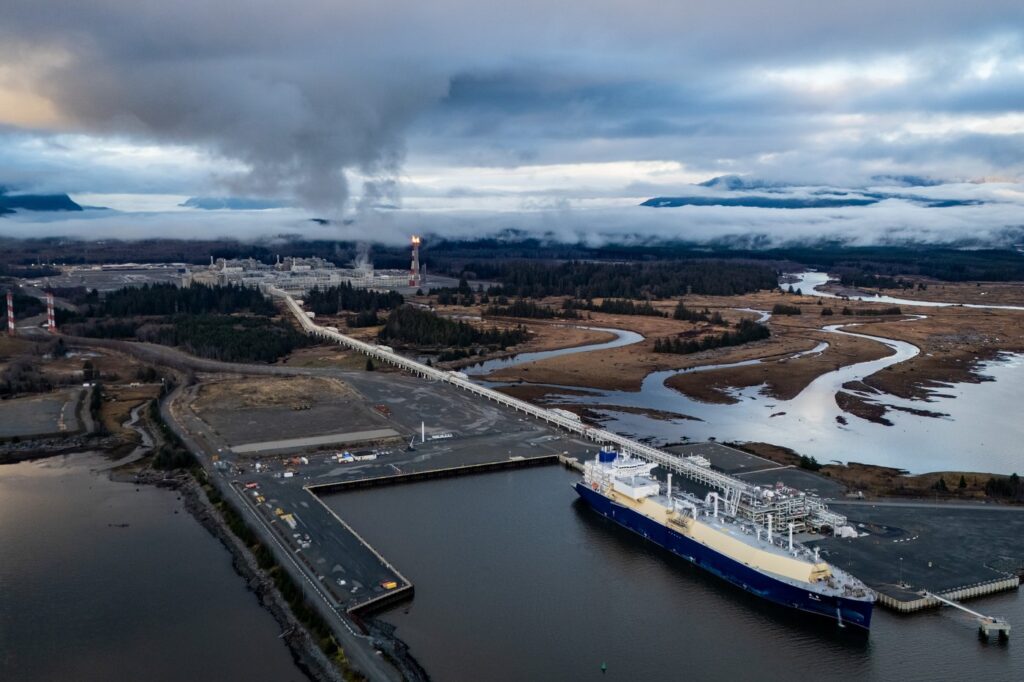
Despite these challenges, Botterill expressed optimism regarding Canada’s liquefied natural gas export prospects. The conflict has disrupted LNG production from Qatar, a major global supplier, resulting in surging power prices in Asia and Europe. This situation positions Canada as a more stable and attractive supplier on the global stage.
Botterill acknowledged the complexities and financial demands of advancing LNG projects, noting that significant groundwork remains to be done. However, he concluded that Canada is now viewed as a particularly safe place for investment. He anticipates discussions around one to three new LNG projects off the West Coast in the coming years, bolstered by growing international interest in Canadian energy resources.








