

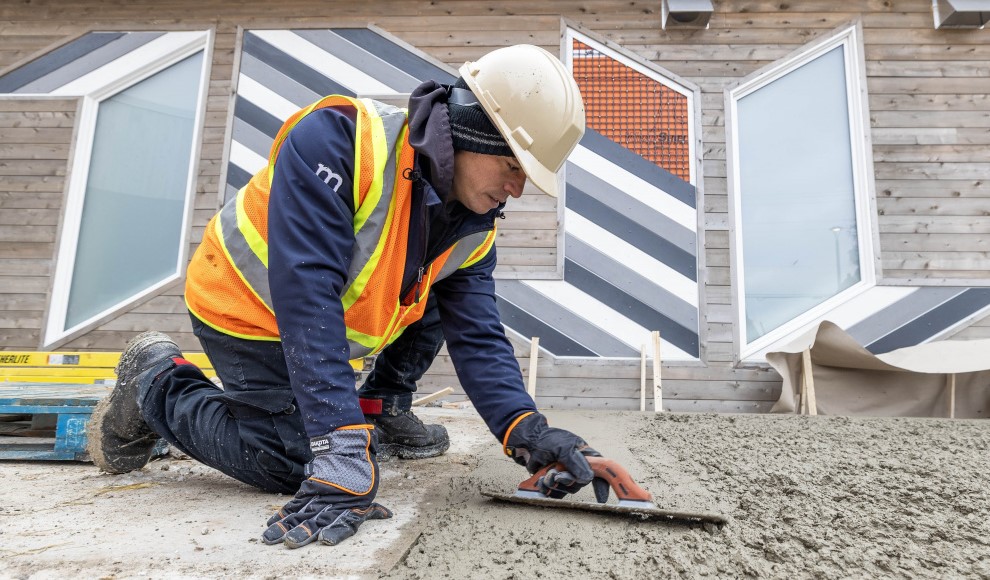
Nova Scotia is experiencing a significant surge in building projects, spanning both infrastructure and housing sectors. However, the Construction Association has voiced concerns that this momentum may be jeopardized unless the ongoing worker shortage is promptly addressed.
According to the Housing Construction Council of Nova Scotia, to meet the burgeoning demands, the province's workforce needs to increase by 10,600 by 2032. This figure includes replacements for those expected to retire, accounting for approximately 22 percent of the current housing labor force. The president and CEO of The Construction Association, Duncan Williams, remarked that the high level of activity in the province is projected to persist for another decade or more.
Williams stated that the shortages of labor are substantially problematic, with estimates indicating that between 2,500 and 3,000 job vacancies remain unfilled on a good day, highlighting the chronic nature of the issue. One of the key focuses in the construction efforts is home building; many communities throughout Nova Scotia face a scarcity of affordable housing options, which exacerbates issues like homelessness. Commentary from the Fraser Institute attributes this shortfall to population growth outpacing home construction. Recent changes in federal policy that capped international student admissions and adjusted immigration strategies have resulted in a slowdown in population growth in the province.
Despite these challenges, Williams indicated that the Construction Association is actively working to ensure trained workers can fill the trades where shortages exist. Certain jobs, like gas fitters or oil burner technologists, are notably "undersubscribed", with numerous positions available in Nova Scotia. The association aims to tackle these shortfalls meticulously and raise awareness about these professions, which offer substantial pay and benefits.
To address the labor shortage, the association collaborates with local colleges to provide workers with real-life, hands-on experience while they earn a paycheck. Depending on the job, entry-level positions can start at salaries of over $50,000, not including overtime, with many in the trade earning six-figure salaries relatively easily. This scenario is particularly notable in light of ongoing worker shortages that have prompted companies from outside the province to bid on local projects and bring their workers in, thus underscoring the gap between demand and available labor, while also fostering healthy competition within the industry.
Williams added that this trend has been a persistent issue across Canada for decades, but Nova Scotia has recently become an attractive market for external talent. The Construction Association is concentrating on ensuring that the province offers the best opportunities for homegrown talent to remain and work within the industry. Efforts from provincial entities, industry professionals, and educational institutions remain singularly focused on cultivating a well-qualified talent pool.








