

The current state of the global economy is drawing unsettling parallels to the 1970s, with oil prices rising sharply due to ongoing conflicts in the Middle East. This situation is reminiscent of the 1973 Yom Kippur War, which led to a debilitating period of stagflation—characterized by high prices and sluggish economic growth. However, experts suggest that today's U.S. and global economies are better equipped to handle such challenges compared to five decades ago.
In the aftermath of previous oil supply shocks, particularly during the 1973 embargo and the Iranian revolution in 1979, many countries initiated significant changes to enhance energy efficiency, reduce reliance on Middle Eastern oil, and invest in alternative energy sources. Amy Myers Jaffe, a research professor at New York University, emphasizes that decades of experience have prepared economies to confront these oil shocks more effectively.
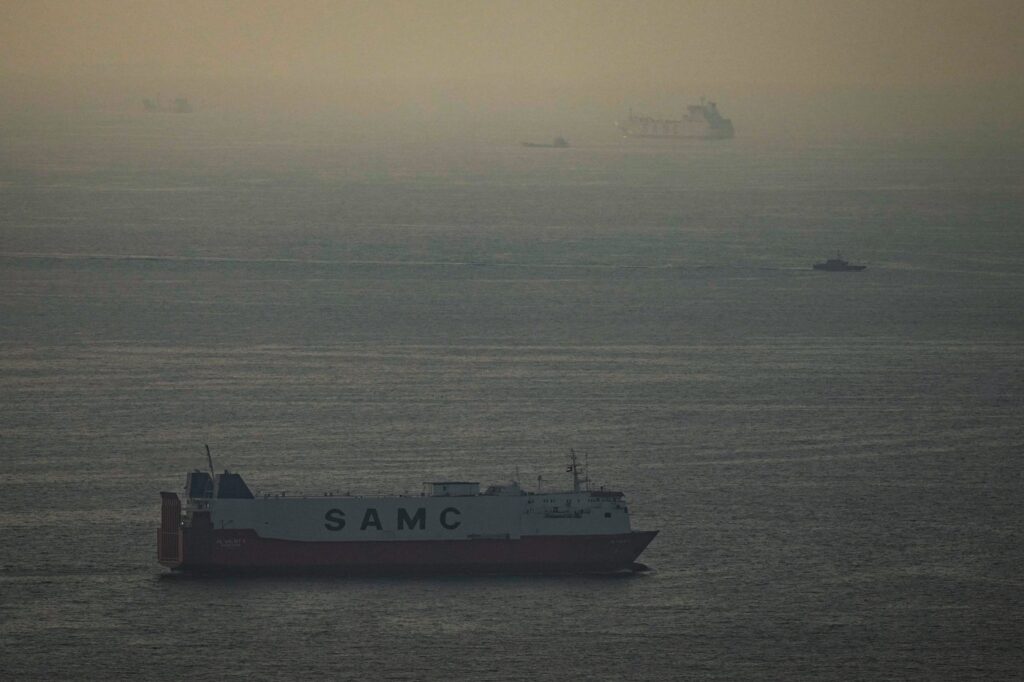
Despite this preparedness, the immediate impact of rising oil prices is felt across the globe. American drivers are facing gasoline prices exceeding $4 per gallon, European farmers are struggling with soaring fertilizer costs, and vendors in India are unable to obtain sufficient gas for cooking. The scale of the current crisis is notable; Iranian actions have disrupted the Strait of Hormuz, a critical maritime route through which approximately 20 million barrels of oil—representing one-fifth of global production—typically flow each day. Lutz Kilian of the Federal Reserve Bank of Dallas estimates that around 15% of daily global oil production is currently unavailable due to these disruptions.
Over the past five decades, the changes implemented by the U.S. and other nations have mitigated the economic fallout from such conflicts. In the early 1970s, oil constituted nearly half of global energy supplies; by 2023, its share has declined to 30%. Despite an increase in overall oil consumption, alternative energy sources such as natural gas, nuclear, and renewables have gained significant ground.
The U.S. has made substantial strides in reducing its dependence on foreign oil, largely due to innovations in hydraulic fracturing (fracking). This technological advancement revitalized domestic energy production, allowing the United States to become a net petroleum exporter by 2019. Sam Ori, the executive director of the University of Chicago’s Energy Policy Institute, notes that the U.S. economy is in a stronger position today than it was during the 1970s oil crises.
Historically, the oil embargo of 1973 galvanized nations to implement a variety of energy-saving measures. President Richard Nixon, for example, called for gasoline station closures on Sundays and proposed reducing speed limits to conserve fuel. Other countries took assertive actions; the UK reduced the workweek to mitigate electricity consumption, while Japan enacted laws mandating energy efficiency in various sectors.
In the United States, fuel economy standards introduced in 1975 have led to significant improvements. The average fuel economy of new vehicles has risen from 13.1 miles per gallon in 1975 to 27.1 mpg by 2023, a change credited with decreasing the global economy's reliance on oil.
Although the contemporary response to oil shocks is more sophisticated, Ori warns that the U.S. remains heavily reliant on petroleum, especially in the transportation sector, where approximately 90% of delivered energy comes from oil. He points out that actions taken by the Trump administration, such as ending consumer credits for electric vehicle purchases and weakening fuel economy standards, counter the progress made toward reducing oil dependence.
The international community has also learned from past experiences, forming the International Energy Agency in 1975 to coordinate responses to energy disruptions. Recently, member countries agreed to release 400 million barrels of oil to stabilize the market amid rising prices.








