

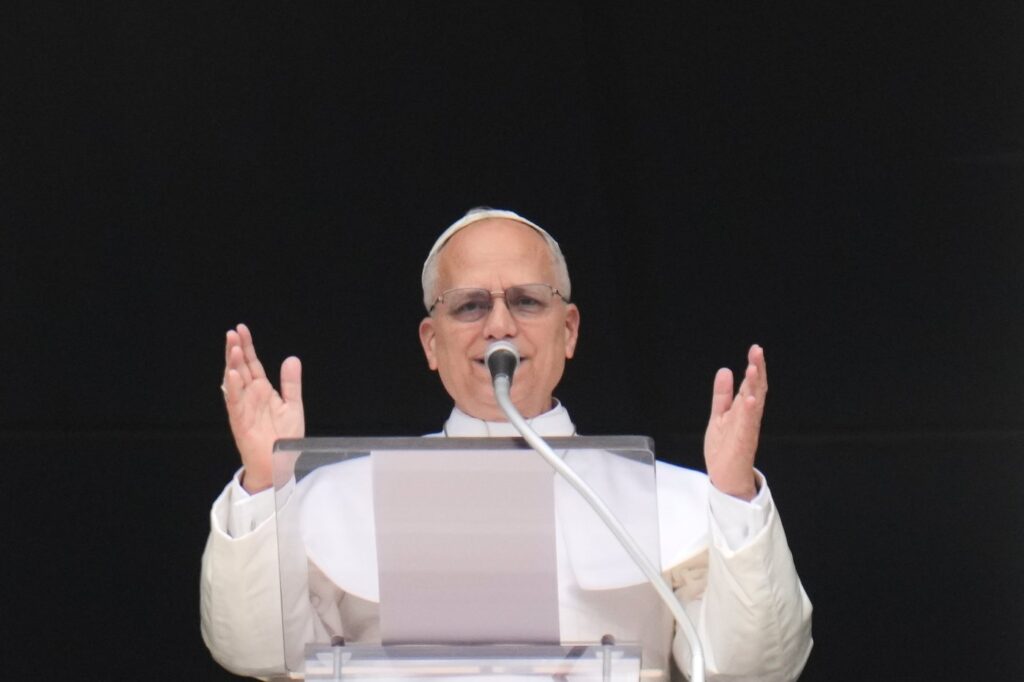
ROME (AP) – Pope Leo XIV is set to make history as he embarks on the first-ever papal trip to Algeria on Monday. This visit is aimed at promoting Christian-Muslim coexistence amidst global conflicts and honoring the revered local figure, St. Augustine, a pivotal inspiration for his spiritual journey.
Over the course of two days, Leo will kick off an 11-day tour of four African nations: Algeria, Cameroon, Angola, and Equatorial Guinea. This journey marks a significant milestone for the first-ever U.S.-born pope, deepening his engagement with the growing heart of the Catholic Church in Africa.
Upon arrival at Algiers' international airport, Algerian President Abdelmadjid Tebboune was scheduled to greet Leo, followed by a formal meeting at the El Mouradia presidential palace. Later on Monday, the pope will address Algerian authorities and visit the Great Mosque of Algiers before concluding the day with events at the Our Lady of Africa basilica and prayers at a monument dedicated to migrants who lost their lives during perilous attempts to reach Europe.
The gathering at the basilica, designed in a Roman-Byzantine style and constructed during France's colonial rule, will include testimonies from a Catholic nun, a Pentecostal believer, and a Muslim, alongside remarks from Leo himself. The official motto for this trip, “Peace be with you,” encapsulates the Vatican's commitment to sharing a message of peace and fostering Christian-Muslim coexistence.
In Algeria, a small Catholic community of approximately 9,000 predominantly foreign individuals exists alongside a Sunni Muslim majority of around 47 million. Cardinal Jean-Paul Vesco, the archbishop of Algiers, noted that approximately 90% of the basilica's visitors are Muslim, reflecting a spirit of unity and mutual respect among different faiths in the nation.
While the U.S. has put Algeria on a special watch list for “having engaged in or tolerated severe violations of religious freedom," the Algerian constitution facilitates the practice of religions other than Islam, as long as public order is maintained. However, proselytizing to Muslims is illegal, and some Christian groups have faced persecution, with churches being shut down by authorities.
Selma Dénane, a student from Annaba, expressed cautious optimism about the visit. “I imagine it’s a good thing that a pope is visiting Algeria, but what will it change afterward? Will Christians be able to say, 'I am a Christian' without fear or stigmatization?” she questioned.
Pope Leo's visit occurs against the backdrop of Algeria’s violent history, particularly during the “black decade” in the 1990s, which claimed around 250,000 lives due to an Islamist insurgency. Among those victims were 19 Catholics, including the Trappist monks from the Tibhirine monastery, who were dramatically kidnapped and killed in 1996. During his time in Algeria, Leo will pay tribute to these martyrs by visiting the remaining Augustinian nuns involved in social service projects that cater to individuals from all walks of life.
All 19 victims were beatified in 2018, the first such acknowledgment of martyrs in the Muslim world. Archbishop Vesco pointed out that Leo’s election on May 8 coincides with the feast day of these martyrs, reinforcing the poignant connection between the pope and Algeria’s Christian heritage.
Moreover, Pope Leo personally and pastorally connects with Algeria through St. Augustine of Hippo, a towering theological figure born in the region. On Tuesday, Leo plans to visit Annaba, the modern equivalent of Hippo, where Augustine served as bishop for three decades, reaffirming his deep-rooted ties to the land. His numerous references to Augustine in speeches underscore the lasting influence of the saint on both Leo’s life and the broader Western thought.
In conclusion, Pope Leo XIV's visit to Algeria marks a significant moment in fostering interfaith dialogue and acknowledging the historical ties between Christianity and Islam. As he invokes themes of peace and coexistence, the visit also serves as a homage to the martyrs and the enduring legacy of St. Augustine in the context of Algeria's complex religious landscape.








