

BEIRUT (AP) — Lebanon and Israel are poised to engage in their first direct diplomatic talks in decades on Tuesday in Washington, following over a month of intense conflict between Israel and the Hezbollah militant group that has severely affected Lebanon. The U.S. Secretary of State, Marco Rubio, will participate in the discussions alongside Israeli Ambassador to the U.S., Yechiel Leiter, and Lebanese Ambassador to the U.S., Nada Hamadeh Moawad.
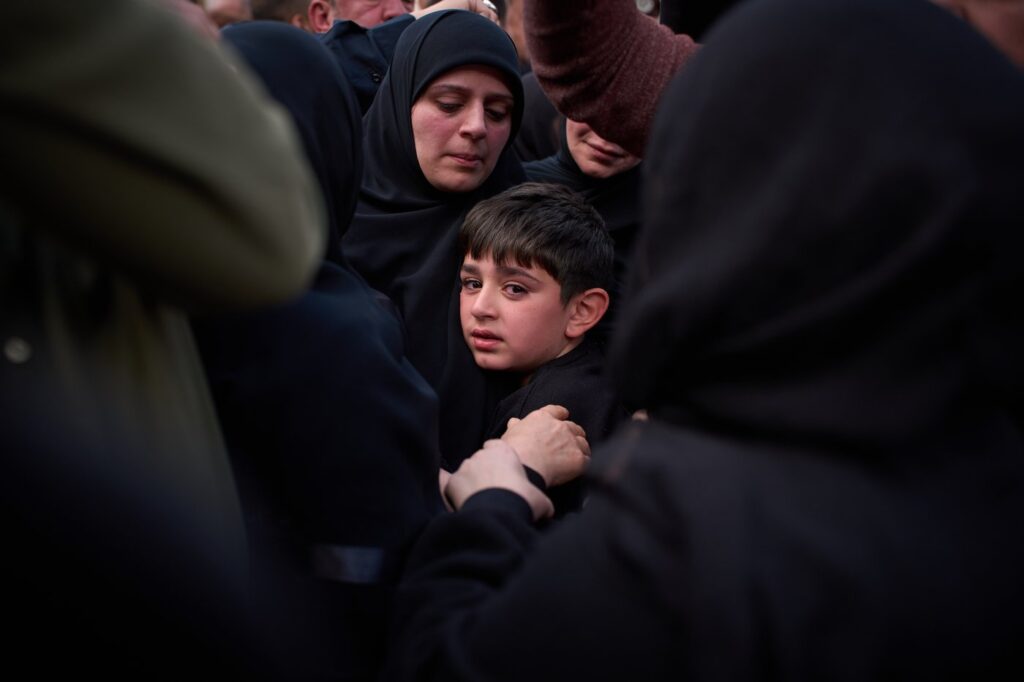
According to Lebanon’s Health Ministry, Israeli strikes have resulted in at least 2,089 fatalities in Lebanon, including 252 women, 166 children, and 88 medical personnel, with 6,762 individuals reported as wounded. The ongoing conflict has also displaced more than 1 million people across the nation.
The Lebanese government is hopeful that the upcoming negotiations could lead to an end to the ongoing war. Iran has made it clear that any discussions with the United States require a halt to the wars affecting Lebanon and the broader region. However, Lebanon insists on establishing its own representation in the dialogues.
Skepticism exists among Hezbollah and critics of the Lebanese government, who believe that Beirut lacks significant leverage and should rely on the influence of Iran, Hezbollah's main ally and benefactor. The Israeli military continues its invasion in southern Lebanon, with some officials indicating that the objective is to establish a depopulated “security zone” extending from the border to the Litani River, approximately 30 kilometers (20 miles) away. Despite suffering setbacks in the previous war with Israel that concluded in November 2024, Hezbollah remains active, deploying drones, rockets, and artillery against northern Israel from positions in Lebanon.
The talks between the Israeli and Lebanese governments are intended to explore ways to maintain long-term security along Israel’s northern border and support Lebanon in regaining control over its territory and political orientation from Hezbollah, a U.S. State Department official stated. These discussions mark the first formal engagement between the two nations since 1993, as confirmed by the official who chose to remain anonymous due to the sensitive nature of the discussions.
In recent weeks, Lebanon’s senior political leaders have criticized Hezbollah's decision to launch rockets at Israel on March 2 in support of Iran, leading them to propose direct negotiations to mitigate the escalation of hostilities, hoping to deter a full-scale ground invasion by Israel. Israel's reluctance to engage in talks only softened last week, after conducting 100 airstrikes throughout Lebanon, including in central Beirut.
Beirut is advocating for a ceasefire as a prerequisite for dialogue, analogous to the negotiations mediated by Pakistan between the U.S. and Iran. "Israel’s destruction of Lebanese territories is not the solution, nor will it yield any results," stated President Joseph Aoun on Monday, who has committed to disarming non-state groups such as Hezbollah. He emphasized that diplomatic efforts have historically proven to be the most effective resolution for armed conflicts globally.
Nevertheless, Israel has firmly rejected any proposal for a ceasefire. Shosh Bedrosian, a spokeswoman for Israeli Prime Minister Benjamin Netanyahu, stated on Monday, "We will not discuss a ceasefire with Hezbollah, which continues to carry out indiscriminate attacks against Israel and our civilians." Supporters of Hezbollah have expressed criticism towards the Lebanese government, perceiving the developments as an unearned concession to Israel. Hezbollah’s Secretary-General, Naim Kassem, publicly opposed the talks in a passionate address, urging a return to the 2024 agreement that facilitated indirect negotiations with the U.S., France, and the United Nations peacekeeping forces in southern Lebanon.








