

In Poland, Afghan migrants face a precarious situation marked by forced deportations and threats to their safety from the Taliban regime in Afghanistan. Rights organizations are increasingly alarmed as Poland's asylum-seeking policies have tightened since March 2025, when the government moved to partially suspend the right to seek asylum.
The recent legal amendment allows Polish authorities to limit international protection applications at the border with Belarus, particularly targeting those who entered Poland illegally. An Afghan migrant in his 20s, currently held in a detention center in eastern Poland, expressed despair: "I tried more than a billion times to seek safety." He recounted the murder of his father by the Taliban, as well as his own abuse at their hands. His family still remains in hiding in Afghanistan, and he fears deportation from Poland would lead to their retribution against him.
Although he presented his case to Polish authorities, he claimed, "they did not care." Requests for comment from the Polish Interior Ministry regarding Afghan deportations and the application of new restrictions went unanswered.
The young Afghan successfully crossed into Germany from Poland, where he was subsequently detained and returned to Poland for his asylum case to be processed under EU laws. He indicated that Polish officials decided to deport him without due review because he had initially entered the country through Belarus. This route has increasingly become dangerous due to a significant influx of migrants seeking to enter the EU.
Poland argues that it is facing overwhelming migration pressures, as they assert that migrants have been sent by Russia and Belarus to destabilize the country. The temporary suspension of the right to seek asylum at the border reportedly applies only to individuals crossing from Belarus, but the government has extended this period several times, effectively halting asylum applications for over a year.
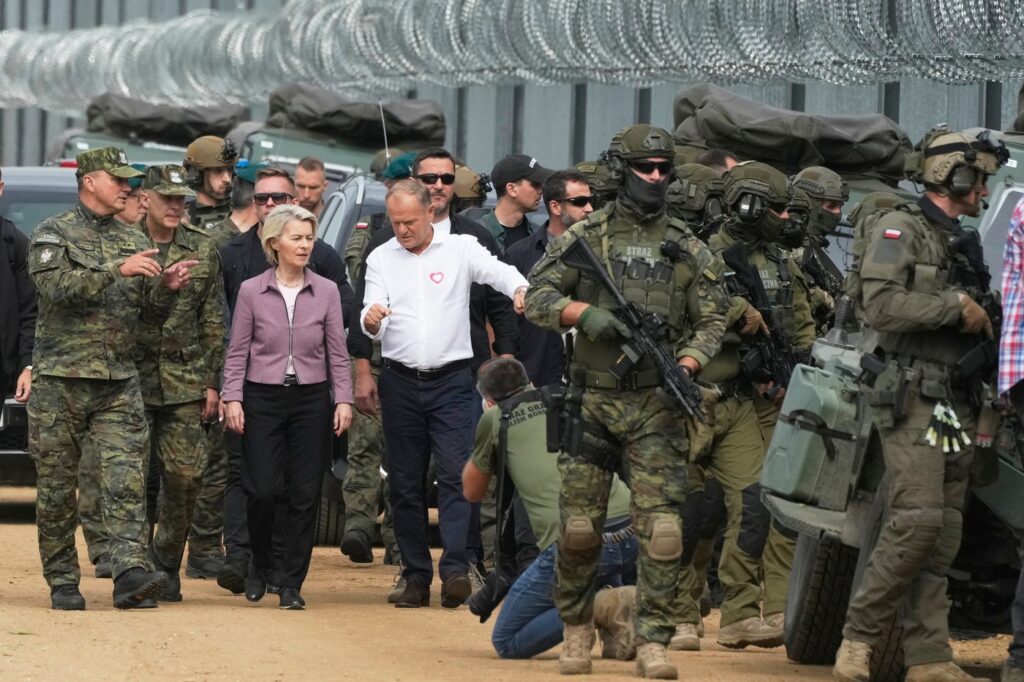
Legal experts, including the Polish Ombudsman and the UNHCR, have criticized the suspension as incompatible with international law and the Geneva Conventions, which mandate that each asylum claim be assessed individually. Prime Minister Donald Tusk has defended the regulations, citing security concerns at the Belarus border. The EU has stated that member states must still uphold the rights of asylum-seekers during migration crises.
Since the suspension was enacted, rights organizations allege that Poland is misapplying the measure to include migrants found throughout the country who initially entered via Belarus. Consequently, Afghan migrants typically face barriers to asylum applications, regardless of their personal circumstances. Concerns have been raised by the Council of Europe’s Commissioner for Human Rights regarding the blanket suspension of asylum applications for those deemed to have crossed the border irregularly.
The ongoing legal ambiguity has unsettled the EU's border control agency, Frontex. Reports indicate that Frontex withdrew its monitors from a deportation flight organized by Poland after discovering that the asylum requests of affected individuals had not been properly assessed.
Among those in detention in Poland are around 120 Afghan migrants. Reports indicate that one of the young Afghan's friends was deported back to Afghanistan, with no communication received from him since. Statistics reveal that approximately 65% of Afghan asylum seekers receive protection in other parts of Europe. Tomasz Sieniow from the Foundation Institute for the Rule of Law commented on the situation, asserting that many Afghan detainees had ties to the formerly U.S.-aligned Afghan government, and their reasons for seeking protection were not adequately considered by Polish authorities.








