

ORLANDO, Fla. (AP) – Tiger Woods' attorney is preparing to challenge prosecutors' attempt to subpoena the golfer's prescription drug records. This legal development follows Woods’ arrest last month in Florida under suspicion of driving under the influence (DUI). The attorney, Doug Duncan, asserts that Woods possesses a constitutional right to privacy regarding his medication history.
Duncan filed a motion this week in a Martin County court, requesting a hearing to assess the necessity of the drug records for the ongoing criminal investigation. Should the court find the records pertinent, Duncan has requested a protective order that would allow access to the information only for prosecutors, law enforcement officials, state experts, and Woods' defense team.
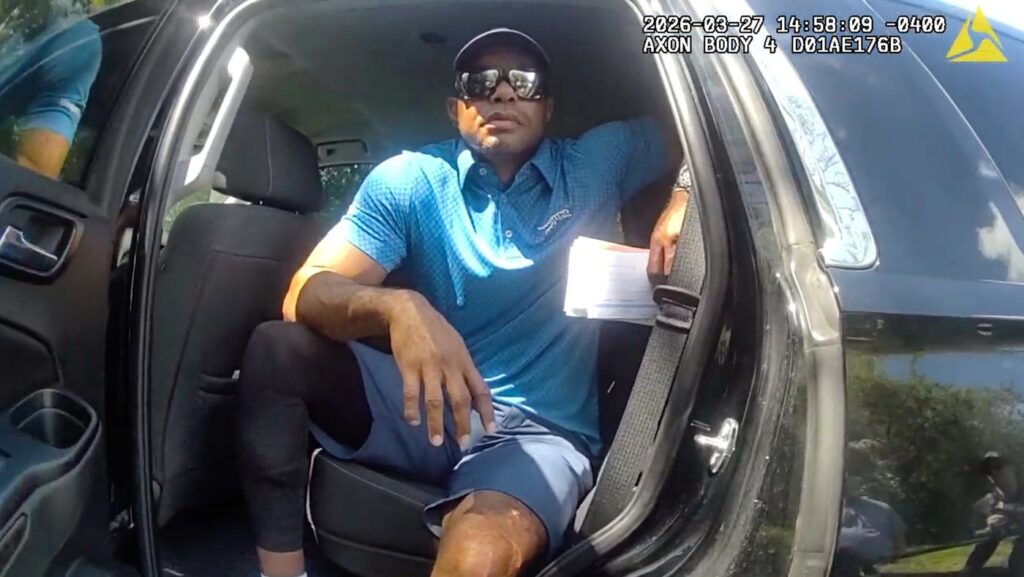
Tiger Woods, a prominent figure in professional golf, has pleaded not guilty to the DUI charge. According to a report by the sheriff's office, deputies discovered two pain pills in Woods' pocket after he was involved in an accident where his SUV made contact with a truck's trailer before rolling over. Witnesses reported signs of impairment, noting that he was driving at excessive speeds on a residential road in Jupiter Island, which has a speed limit of 30 mph (approximately 50 kph). The incident resulted in an estimated $5,000 in damages to the truck.
Authorities indicated that Woods voluntarily submitted to a Breathalyzer test, which revealed no signs of alcohol in his system. However, he declined to undergo a urine test, raising questions regarding his level of impairment at the time of the crash.
In court papers filed on Wednesday, prosecutors announced their intention to issue a subpoena demanding copies of all prescription medication records related to Woods, specifically from Lewis Pharmacy located in Palm Beach, Florida. The requested records would cover the period from January through the end of the previous month.
In addition to seeking prescription records, prosecutors are requiring Woods to disclose the identities and contact details of any witnesses he plans to call in his defense. This move adds another layer of complexity to the legal proceedings surrounding the case.
Tiger Woods remains a significant figure, not only due to his golf career but also as he navigates this legal challenge. His attorney's efforts to protect Woods' privacy regarding his medical records highlight the ongoing tensions between personal rights and the needs of the criminal justice system in gathering evidence for a case.








