

Bryan Vander Dussen transitioned from dairy farming to selling farm-raised beef and, along with his wife, has recently started producing tallow balm from organ fat. They have encountered the challenge of creating effective formulas that repel the strong meat smell often associated with tallow. To overcome this, they incorporate fragrances like lavender and wild orange. Vander Dussen notes that consumer feedback has pushed them toward improving the scent of their products to appeal more to buyers.
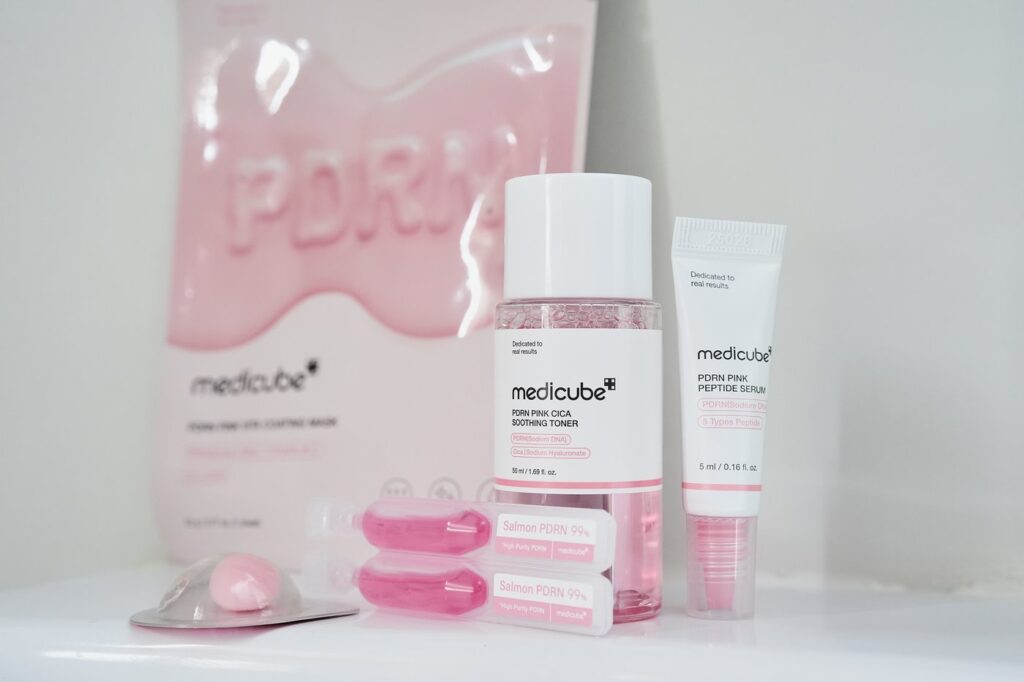
Interest in animal-based skin care products, such as beef tallow moisturizers and even salmon sperm facials, has surged in recent years. Many consumers view these products as natural alternatives to synthetic options, leading to increased visibility in social media, high-end spas, and local farmers' markets. Experts attribute this trend to a growing concern over the health implications of chemicals found in personal care products, along with the pro-meat messaging promoted by movements like Make America Healthy Again.
Norah MacKendrick, a sociology professor at Rutgers University, emphasized that there's a trend towards embracing animal-based foods, and this shift may now be influencing the cosmetics sector. Natalee Keenan, a 31-year-old consumer, described her search for natural skin care products that led her to experiment with tallow. While her first attempt felt heavy and "beefy," she later discovered a lighter, coconut-scented whipped tallow balm that she uses sparingly for its moisturizing effects.
Experts express caution regarding the efficacy of animal-based skin care products. Perry Romanowski, an independent cosmetic chemist, highlighted that the cosmetics industry had previously moved away from animal-derived ingredients due to ethical concerns and health risks like mad cow disease. However, these ingredients are re-emerging in the market as natural alternatives. Jamie Moody of Sonoma Mountain Beef reported that her efforts to create tallow products are motivated by a desire to minimize waste, anticipating continued growth in this market driven by a focus on clean products.
Demand for unconventional treatments like salmon sperm DNA facials is rising, with spa owners reporting beneficial outcomes for clients. Kelly Pratt, spa owner in Tampa, Florida, noted that these treatments are popular due to clients’ reports of skin improvement over time. Although consumers are increasingly curious about products like tallow and sperm-based treatments, experts warn of a lack of substantial medical evidence supporting their effectiveness and caution that tallow can become rancid or irritating when altered with fragrances.
According to Dr. Angelo Landriscina, a dermatologist in New York City, there’s no robust medical proof that tallow provides skin benefits. He warns consumers to manage their expectations and highlights that many popular skin care ingredients, such as retinol and niacinamide, are backed by solid scientific evidence unlike tallow. The surge in popularity of meat-based and chemical-free products may also be influenced by demographic shifts, including mothers making purchasing decisions with greater awareness of the health impacts of chemical substances on children.
Corrin Dial, a South Carolina farmer, reflected on her experience discovering tallow while seeking a natural balm for her baby, reiterating the trend toward avoiding synthetic products. Experts agree that the ongoing push towards sustainability can be observed through the utilization of animal byproducts. Despite their rising popularity, both beef tallow and salmon sperm lack extensive medical research, so consumers should take care when choosing these products.
Romanowski aligned the beauty industry’s need for constant innovation with fashion trends, suggesting that consumers should remain mindful of their skin care choices and prioritize scientifically supported ingredients. As the market responds to these various influences, the appeal of animal-based skin care products continues to evolve amid ongoing discussions around health, ethics, and sustainability.








