

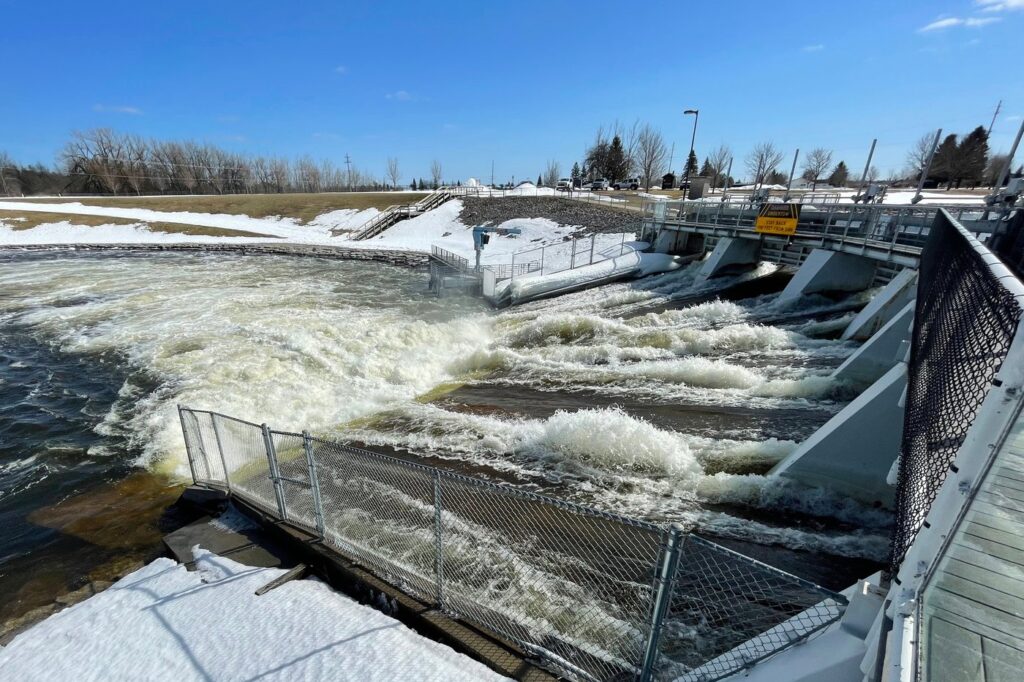
Federal energy regulators have mandated immediate inspections of the Cheboygan Dam powerhouse and various other dams across Michigan, following significant flooding that posed risks of dam failures earlier this month. This directive comes as state officials have also announced their plans to check dams under their jurisdiction to assess potential damage caused by the unprecedented high waters resulting from severe spring snowmelt and heavy rainfall.
Historically, similar flooding events, particularly one in 1986, have led to subsequent dam failures weeks after the initial incident due to inadequate assessments of damage. Luke Trumble, the Michigan Department of Environment, Great Lakes and Energy's dam safety chief, emphasized this concern while speaking to Bridge Michigan, highlighting the importance of proactive inspections to prevent future incidents.
In a formal letter issued on Thursday, the Federal Energy Regulatory Commission (FERC) directed Hom Paper XI LLC, the operator of the Cheboygan Dam powerhouse, to submit a report by May 15. This report must outline their plans to ensure the operational status of the powerhouse, which was temporarily reactivated on April 17 as an emergency measure. Prior to this, the powerhouse had been offline since a fire in 2023, despite previous FERC orders to restart it. This downtime had drastically limited water flow through the dam.
Crews worked swiftly to bring the powerhouse back online, leading to an immediate decrease in water levels behind the dam. However, FERC noted that this solution is not permanent, urging Hom to collaborate with the Michigan Department of Natural Resources to maintain safe water flow through the operation of bypass gates to ensure community safety.
In a related development, FERC also addressed Black River Hydro, the operator of the Alverno, Tower, and Kleber dams located upstream from Cheboygan, mandating them to conduct inspections due to several concerns raised during the flooding. Among the issues highlighted were the absence of engineers on-site during critical flood conditions, leaks at the Kleber weir, and significant erosion at Alverno that required emergency riprap response. Regulators have specified a 15-day timeframe for Black River Hydro to complete these inspections and report back with their repair strategies.
Although recent dry weather over the weekend has allowed water levels to recede, Trumble cautioned that risks still persist, particularly in Michigan's Upper Peninsula. He pointed out the remaining snowpack, which reaches heights of 3 to 4 feet, indicating that the region could see similar flooding challenges in the upcoming weeks if conditions do not stabilize.
This ongoing situation underscores the critical importance of effective dam management and emergency preparedness in mitigating the effects of severe weather events and ensuring public safety in affected regions. The proactive measures enacted by federal and state regulators aim to safeguard communities from the damaging impacts of potential dam failures and highlight the need for collaboration among various agencies involved in the assessment and maintenance of these vital structures.








