

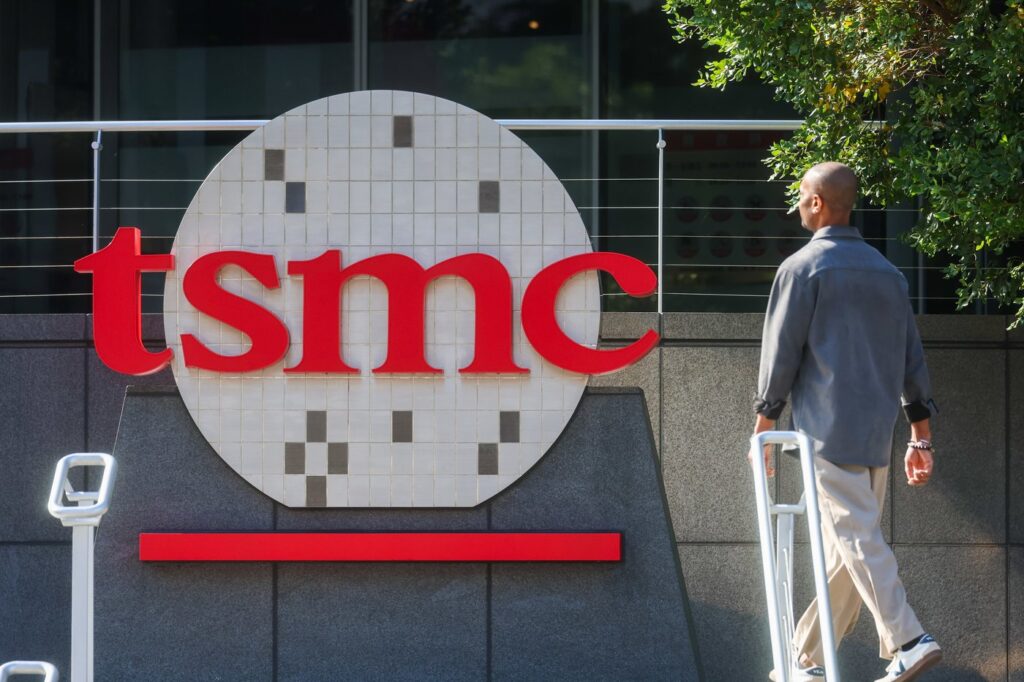
NEW TAIPEI CITY, Taiwan (AP) – In a significant ruling, a court in Taiwan has sentenced Chen Li-ming, a former employee of Japanese computer chip equipment maker Tokyo Electron, to 10 years in prison. This verdict was delivered on Monday and marks a pivotal moment in the fight against trade secret theft involving Taiwan's leading chipmaker, Taiwan Semiconductor Manufacturing Corporation (TSMC).
As part of the case, Tokyo Electron has been fined 150 million new Taiwan dollars, equivalent to approximately $5 million, and four additional individuals have received sentences of up to six years in prison. The severe sentences are a reflection of Taiwan's commitment to safeguarding its advanced technology and semiconductor industry, which plays a crucial role in the island's export-driven economy, especially in the context of the rapid growth in artificial intelligence.
TSMC, recognized as one of the most valuable companies globally, counts major firms such as Nvidia and Apple among its top customers. Judge Chang Ming-huang, presiding over the case at Taiwan's Intellectual Property and Commercial Court, revealed that Chen had previously worked at TSMC before transitioning to a subsidiary owned by Tokyo Electron in Taiwan. It is believed that he leveraged his network with former TSMC colleagues to gain unauthorized access to and gather sensitive trade secrets.
Evidence presented in court indicated that Chen had photographed and copied proprietary materials to assist Tokyo Electron in enhancing its technologies and refining its bids as a supplier for TSMC. Although Judge Chang mentioned that Chen's primary motivation involved improving his personal performance at work, the judge emphasized the significant risk he posed to Taiwan's competitiveness and economic security within the semiconductor landscape.
In response to the verdict, TSMC refrained from making immediate comments regarding the ruling. However, Taiwanese prosecutors had indicted Chen and several others in August, alleging theft of trade secrets. In a prior statement, Tokyo Electron acknowledged the dismissal of an employee linked to this case but stated that its internal investigation did not substantiate claims that confidential information had been leaked.
On Monday, Tokyo Electron expressed that it takes the court's finding very seriously and affirmed its commitment to strengthening its information management systems and related measures. The company maintained that neither the court outcomes nor its own inquiries had uncovered any evidence of organizational involvement by Tokyo Electron in the trade secret theft.
This case underscores the increasing importance of intellectual property protection in the tech sector, particularly in Taiwan, where the semiconductor industry is vital for economic stability and growth. As global demand for semiconductor technology surges, instances of trade secret theft can have far-reaching implications, not only for the companies involved but also for national security and the overall health of the industry.
Overall, the ruling serves as a warning to individuals and companies about the serious consequences of trade secret theft and the legal ramifications associated with compromising corporate integrity. Taiwan's resolve to clamp down on such offenses will be crucial in reinforcing the trust and security essential for maintaining its status as a global leader in semiconductor manufacturing.








