

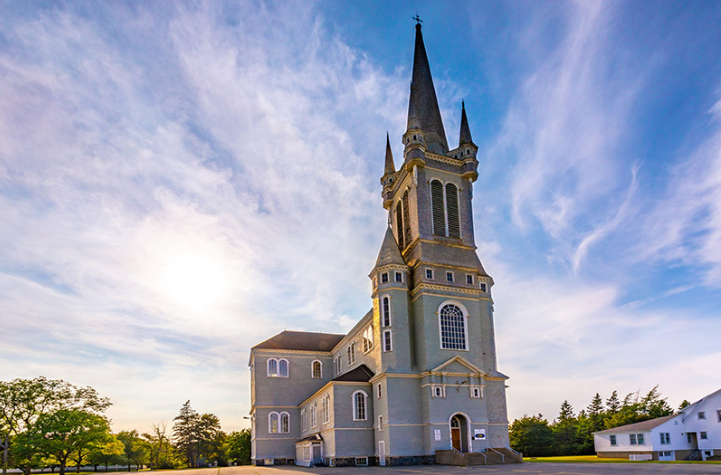
A church located in Nova Scotia has achieved a remarkable feat by winning $50,000 in a national heritage competition organized by the National Trust for Canada. The competition, known as the Next Great Save, aims to provide financial assistance to heritage sites across Canada, helping them maintain their historical significance and community roles.
The Église Sainte-Marie in Church Point proudly took home the top prize, recognized as the tallest wooden church in North America. This architectural gem not only holds historical importance but also serves as a symbol of cultural heritage within the region.
The funds awarded will be allocated towards restoring the church’s iconic steeple and the bells' chimes. These chimes are considered a powerful emblem, intended to resonate with the national and international significance of the church. By enhancing its physical structure, the restoration aims to revitalize the church’s presence in both the local and wider community.
In the competition, which ran from April 7 to April 24, participants were encouraged to vote daily for their preferred heritage site from a list of nominated locations. The competition serves to highlight the importance of protecting heritage sites while simultaneously revitalizing their role in local communities.
In addition to Église Sainte-Marie, the competition saw other notable entries. The Spire, a church that has been transformed into a community center in Kingston, Ontario, secured the second position. Meanwhile, the Backhouse Grist Mill, built in the late 1700s and located in Port Rowan, Ontario, came in third place. Both of these sites also play significant roles in their respective communities and are deserving of recognition and support.
Another noteworthy mention from Nova Scotia was Trinity Anglican Church in Digby, which was shortlisted as a nominee in the competition. Known for its historic Rose Window, the church is currently at risk as the plaster on the interior and the wooden clapboards on the exterior have deteriorated significantly over the years. The church, constructed in 1878, has stood as a landmark in the community and is in need of restoration to preserve this essential piece of history.
The success of Église Sainte-Marie not only underscores the importance of preserving historical sites but also highlights the role of community involvement in such initiatives. By participating in voting and supporting these sites, individuals contribute to the protection of their cultural heritage, ensuring that these landmarks continue to resonate with future generations.
Through the financial support gained from the Next Great Save competition, Église Sainte-Marie and other nominated historic sites can pursue essential restoration projects that enhance their functionality and aesthetic appeal while honoring their rich histories. The outcome of this competition serves as a reminder of the collective effort required to maintain and celebrate Canada’s diverse heritage.








