

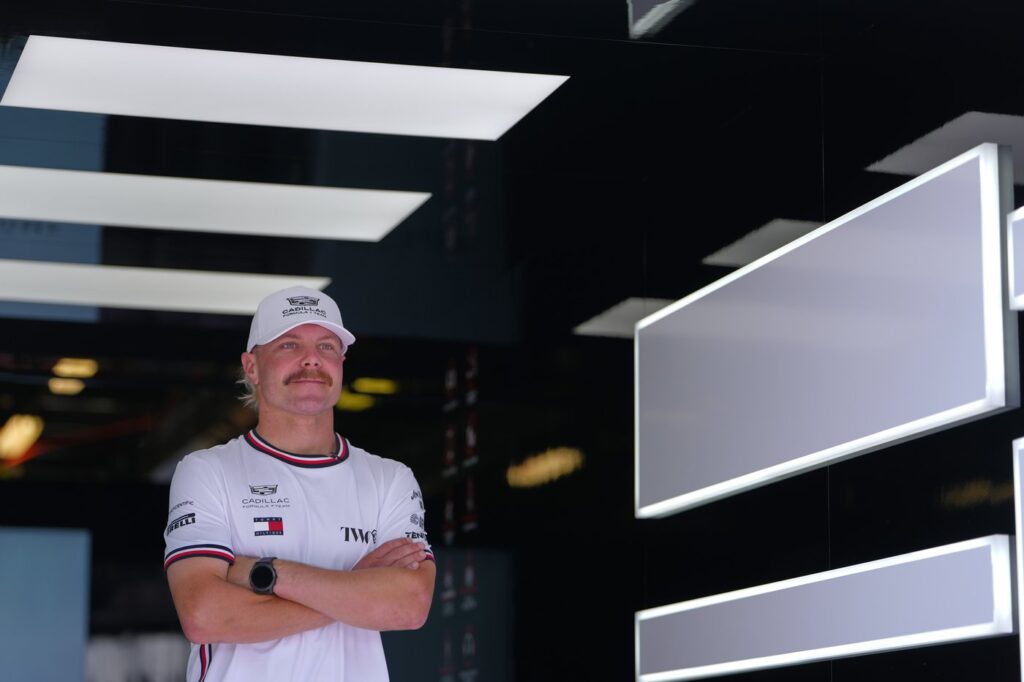
MIAMI GARDENS, Fla. (AP) — Formula 1 driver Valtteri Bottas has spoken about the significant improvements in mental health support within the motorsport community throughout his career. Bottas expressed that these developments gave him the confidence to share his own personal struggles in detail. He addressed these issues in an essay titled “Born Crazy,” which was published in The Players’ Tribune just before the rookie Cadillac team's North American debut at the Miami Grand Prix.
Bottas reflected on how much the sport and the world have evolved, saying, “There are better ways for people to communicate and share their issues, or anything from the past. It’s definitely a more welcoming environment for everyone in F1, but I think also the whole world.” Approached by the publication late last year, he began the writing process with the aim of illustrating the intense personal battles that drivers face in the highly competitive racing landscape.
During his time at Mercedes, Bottas was pushed to the brink of depression, especially when he felt relegated to the role of a “wingman” for seven-time world champion Lewis Hamilton. Bottas shared that he navigated through a two-year struggle with an eating disorder earlier in his career, which contributed to his mental battles. He spent five seasons as Hamilton's teammate after being promoted from Williams in 2017.
In the essay, Bottas recounted his optimistic start to the 2018 season, believing he could win the championship. However, he ended the season without a win, often sacrificing his own opportunities on the track to support Hamilton's title chase. Reflecting on this time, he admitted, “Do you know how badly I wanted to just say no? But I had to be a good teammate.” Bottas described his complicated feelings regarding this experience, noting it nearly drove him away from the sport entirely.
He disclosed that the pressures of being Hamilton’s teammate impacted his mental health. He began to revert to negative thoughts, obsessively consuming social media comments and struggling with self-loathing. Drawing from his prior experience with mental health challenges, Bottas recognized the signs of his deterioration and sought assistance. He emphasized the importance of acknowledging that drivers are human and that everyone has their struggles, saying, “Hopefully somebody can learn from other people’s mistakes. Part of life is learning about your mistakes.”
Bottas provided insight into his early career battle with an eating disorder, describing it as an all-consuming game that left him in a state of starvation. He recalled experiencing joylessness and anger as he became increasingly detached from his surroundings. He mentioned a moment of clarity when he realized he no longer cared about his safety in racing, leading him to seek help from a psychologist. This journey to recovery took about two years before he started feeling like himself again.
His mental health challenges resurfaced in 2018 when it became evident that he would remain in Hamilton's shadow. Bottas openly admitted to feeling depressed and burnt out during this period, even contemplating retirement. A walk in the forest proved transformative, providing him with a new perspective on his situation.
Following the release of his essay, Bottas expressed uncertainty regarding the reactions it might receive, as he had been avoiding social media. However, he hopes that his story can raise awareness about the available resources for mental health support and contribute to the shifting stigma surrounding these issues. Bottas emphasized the evolution of the sport, noting that there’s more professionalism and increased mental health coaching support available for drivers. “I think people are less afraid of seeking help, seeking support, because these things are now talked about more,” he concluded.








