

A recent poll conducted by Canada Pulse Insights for CityNews reveals that two-thirds of Canadians believe the national economy is on the wrong track, with little hope for short-term improvement. Only 33 percent of those surveyed think the economy is moving in a positive direction.
The survey indicates a significant level of pessimism. Just three in ten Canadians have faith that either the national economy or their local economy will improve in the next 60 days. This outlook occurs in the context of a spring economic update projecting a deficit of $66.9 billion for the fiscal year 2025/2026. This figure is lower than previously estimated in the 2025 budget but accompanied by an additional $54.5 billion in new costs and spending.
Pollster John Wright discussed the findings, highlighting a contrast between the public sentiment and the government's recent economic statements, which presented an optimistic view of modest growth and a reduced deficit. He emphasizes that such optimism does not resonate with Canadians facing high gas prices and rising grocery costs, which are central to their day-to-day lives.
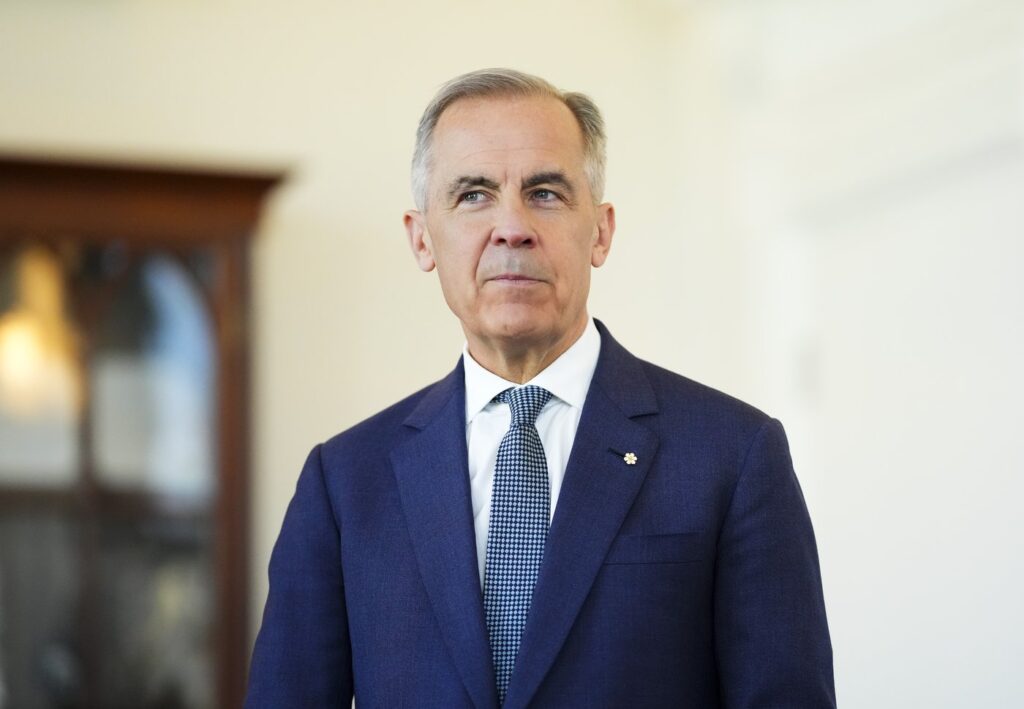
Wright also pointed out that the country is undergoing a wave of inflation, posing challenges for government officials like Mark Carney, who will have to navigate this turbulent economic landscape.
The survey findings illustrate generational differences in perceptions of the economy. Younger Canadians aged 18 to 34 and middle-aged individuals aged 35 to 54 are more inclined to think the economy is on the wrong path compared to those aged 55 and over. Interestingly, opinions remained relatively consistent across different income levels.
Regionally, Alberta exhibited the highest level of pessimism, with 73 percent of respondents feeling the economy is heading in the wrong direction. In the Prairies and Atlantic Canada, this belief was held by 69 percent of respondents. In Ontario, 68 percent shared this sentiment, while 65 percent of British Columbians and 64 percent of Quebecers felt similarly.
Expectations for economic improvement over the next 60 days were highest in Ontario, where 31 percent believe the economy may get better. Alberta followed closely with 29 percent, and Saskatchewan/Manitoba recorded 28 percent. Conversely, British Columbia recorded the lowest expectations at just 22 percent, with Quebec at 25 percent and Atlantic Canada at 26 percent.
The outlook for local economies is particularly bleak in Atlantic Canada, where only 21 percent believe the situation will improve. In contrast, Alberta's outlook is brighter, with 34 percent of respondents expressing optimism.
Wright notes that polling results typically reveal demographic and regional discrepancies; however, the current survey reflects a pervasive sense of malaise that spans across various demographics and regions throughout the country.








