

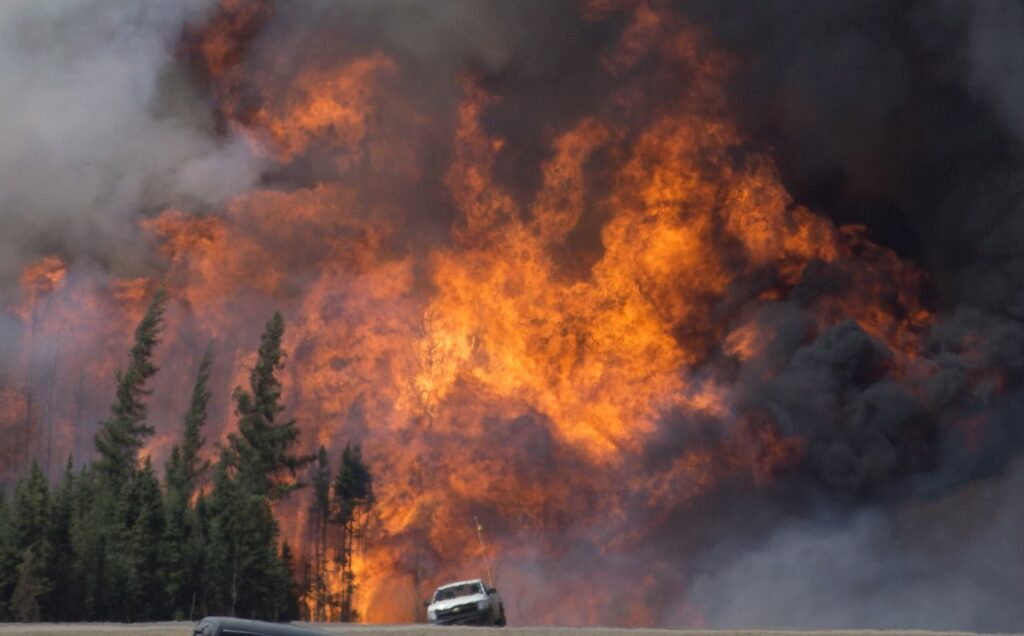
FORT MCMURRAY — In Fort McMurray, Alberta, many residents still struggle with the lingering memories of the Horse River Wildfire, which devastated the community a decade ago. Rob Rice, the owner of a Home Hardware store in the city, recalls the harrowing experience of fleeing the inferno, describing the overwhelming sight of smoke, ash, and flames as he attempted to escape. "Your life is on the line," said the 47-year-old, who vividly remembers the chaos of that day. The wildfire, which began on May 3, 2016, forced 90,000 people to evacuate, destroyed approximately 2,500 homes, and scorched nearly 5,900 square kilometers of forest.
Rice shared stories of his friends' dramatic escapes, including one whose truck nearly caught fire. He noted the individual stories from that day vary, but the impact remains universally profound, affecting residents’ emotions and mental health. Signs of the devastating blaze persist in the form of charred tree stumps and empty plots dotting the landscape, serving as a constant reminder of the tragedy.
However, as nature gradually restores itself, those in Fort McMurray are beginning to see the green return, disguising the scars of the fire. Sarah Thapa, the owner of the Avenue Eatery & Cafe, reflects on how the community's spirit has transformed since the disaster. "When the trees grow back, you don’t even know that there was fire 10 years ago,” she stated, celebrating the resilience of her hometown.
In the aftermath of the wildfire, the Fort McMurray community banded together, highlighting the importance of looking after one another. Residents like Colten Petty became local heroes, rescuing pets left behind as families fled the blaze. Petty and his friends managed to save dozens of animals, providing some glimmers of hope amid the devastation. The strong sense of camaraderie and support for one another spurred a quick recovery, with over 2,200 homes rebuilt and residents returning to rebuild their lives.
This immense effort to recover came with significant economic implications. The Insurance Board of Canada received over 60,000 claims totaling about $4 billion, marking it as the costliest insurance event in Canadian history. Many individuals used their claims to leave Fort McMurray due to the trauma associated with the fire, leading to fluctuations in the city's population over the years.
In the aftermath of the fire, changes extended beyond the physical recovery. Firefighters, who faced unprecedented challenges battling the blaze, experienced long-term health effects, with many developing respiratory issues. Ryan Pitchers, a fire battalion chief, reflected on the harrowing conditions they endured during the fire. Since then, protocols regarding firefighting gear and health checkups have evolved considerably, indicating a shift in how fire safety is prioritized.
The communication of wildfire threats also transformed significantly post-2016. Professor Tara McGee from the University of Alberta noted residents initially lacked knowledge about wildfire risks and emergency planning. In response, provinces, including Alberta, now utilize advanced systems to monitor wildfire threats and effectively communicate evacuation notices to residents, ensuring greater preparedness for future incidents.
Rachel Notley, Alberta's premier during the fire, took on a critical role in leading communication efforts, providing daily updates and reassurance to the public. Her leadership in managing the crisis not only impacted Fort McMurray but also set a precedent for how leaders across Canada respond to future emergencies, including the COVID-19 pandemic and subsequent wildfires.
As Fort McMurray reflects on the ten years since the Horse River Wildfire, the community demonstrates resilience and growth in the face of adversity. The memories of that fateful day continue to affect the lives of its residents, but the support, recovery, and newfound understanding of wildfire threats signify a forward movement toward healing and preparedness.








