

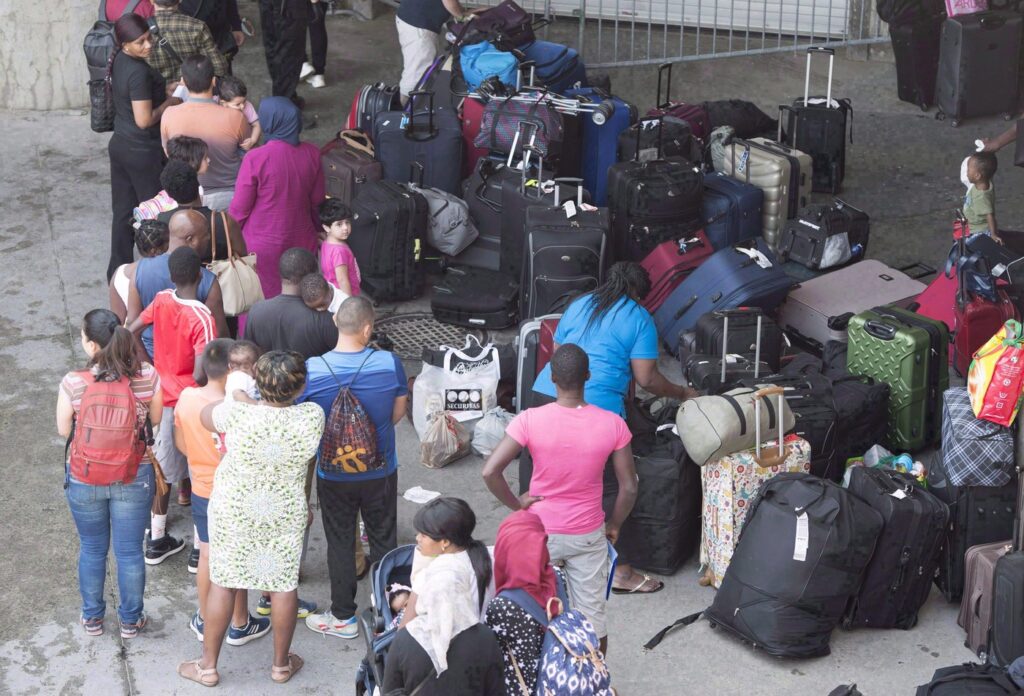
TORONTO — A significant change to Canada’s Interim Federal Health Program has been implemented, which now requires refugees to pay out of pocket for a portion of their medical needs. This alteration, effective as of Friday, imposes a $4 fee on each prescription and a 30% co-payment for supplemental health products and services, which include essential items such as mental health counseling, dental services, vision care, and health equipment like wheelchairs.
Historically, Canada’s Interim Federal Health Program has provided comprehensive health coverage to refugees and refugee claimants until they become eligible for provincial health plans. However, the new co-payments are raising concerns among various health organizations. Over a dozen associations, including the Canadian Medical Association, the Canadian Paediatric Society, the Canadian Psychiatric Association, and the Canadian Nurses Association, have expressed grave concerns, stating that many refugees cannot afford these additional costs. They predict that the inability to pay for necessary medications and mental health services could lead to deteriorating health, ultimately resulting in increased emergency department visits.
The Interim Federal Health Program will continue to cover the full cost of doctor appointments and hospital visits for refugees and refugee claimants, which remains unchanged. Dr. Vanessa Redditt, a family physician affiliated with Women's College Hospital's refugee clinic in Toronto, emphasized the precarious financial situation that many refugees face. She described the implementation of these co-payments as a denial of care. Redditt noted that many patients suffer from severe mental health issues, including suicidality, resulting from past traumas such as torture and sexual violence, compounded by their unstable immigration status. She stressed that refugees are often still living in shelters, lacking a sense of safety, and now they will not have access to the trauma therapy they critically need.
Echoing these concerns, Dr. Parisa Rezaiefar, the physician lead at the Ottawa Newcomer Health Centre, highlighted the importance of investing in the health of refugees, who frequently arrive in Canada with significant health challenges. She argued that addressing their medical conditions promptly will facilitate their integration into Canadian society and enable them to contribute economically. Rezaiefar, who arrived in Canada as a refugee from Iran in the 1990s, stated, “The faster we deal with people’s medical conditions, the faster we enroll them in language training and vocational training, and the faster we get them off supplemental care.” This implies that timely medical intervention could significantly enhance the refugees’ ability to assimilate and succeed in their new environment.
The Canadian federal government justified the introduction of these co-payments as a necessary cost-saving measure in the budget announced the previous year. The adjustment has spurred significant discussions regarding the balance between fiscal responsibility and humanitarian obligations to refugees. The Canadian Press has sought a statement from the office of Immigration Minister Lena Metlege Diab concerning this policy change.
The report highlights a pivotal moment for refugee health services in Canada, raising alarms over potential negative impacts on the well-being of some of the most vulnerable individuals in society. Stakeholders within the healthcare profession are advocating for a reconsideration of the new policies, emphasizing the need for accessible healthcare solutions for refugees who are already facing numerous challenges as they build their new lives in Canada.








