

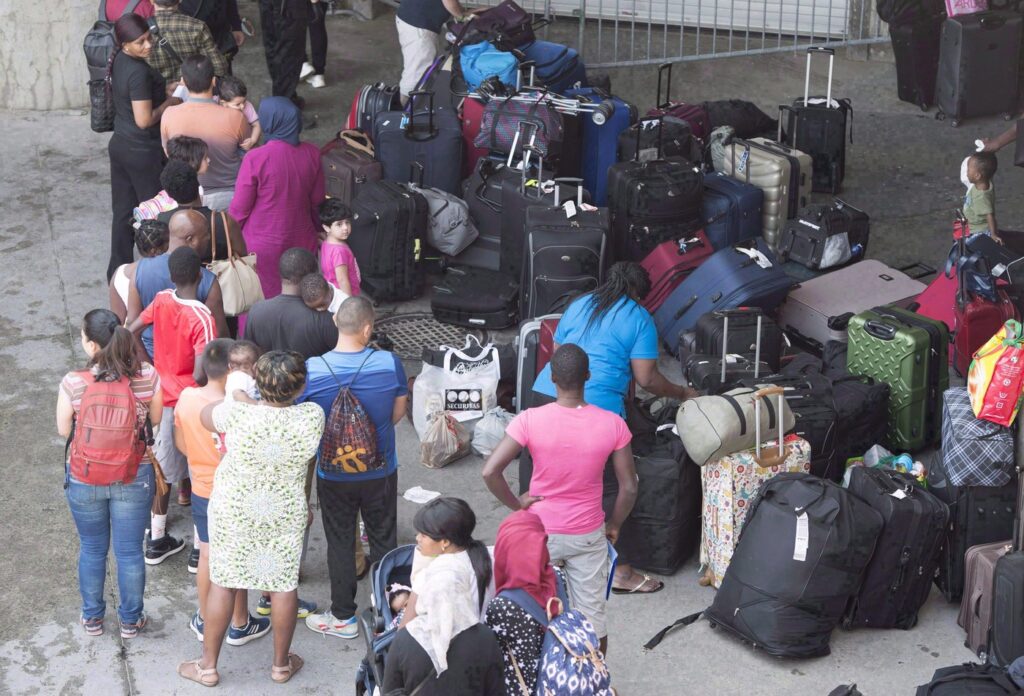
In Toronto, recent changes to Canada’s Interim Federal Health Program (IFHP) now require refugees to pay out of pocket for certain health-related services. This program has historically provided comprehensive health coverage to refugees and refugee claimants until they become eligible for provincial health plans. However, starting Friday, refugees are now mandated to pay $4 for every prescription they fill and must also cover 30 percent of the costs associated with supplemental health products and services, which include mental health counseling, dental care, vision care, and health equipment such as wheelchairs.
Several medical, nursing, social work, and refugee advocacy organizations, including the Canadian Medical Association, the Canadian Paediatric Society, and the Canadian Psychiatric Association, have expressed deep concerns that many refugees will find these co-payments unaffordable. They warn that this financial burden could adversely affect both the physical and mental health of this vulnerable population. The organizations argue that the new requirements could lead to increased emergency room visits, as refugees unable to pay for essential medications or mental health services may experience deteriorating health conditions.
Despite these co-payment requirements, the Interim Federal Health Program will still cover the full costs of doctor visits and hospital care for refugees and refugee claimants. Dr. Vanessa Redditt, a family physician at Women’s College Hospital in Toronto, emphasized that many refugees already live in poverty, making even small co-payments a significant hurdle. She described these new rules as a “denial of care,” especially for patients who struggle with severe mental health issues due to past trauma and instability related to their immigration status. Dr. Redditt highlighted that many refugees continue to live in shelters and lack a sense of safety, and the absence of necessary trauma therapy could exacerbate their conditions.
Dr. Parisa Rezaiefar, who leads the Ottawa Newcomer Health Centre, pointed out that investing in the health of refugees is crucial for their integration into Canadian society and the economy. She noted that many refugees arrive in Canada with pre-existing health conditions, which require immediate attention. Dr. Rezaiefar argues that addressing these medical issues swiftly can facilitate faster enrollment in language and vocational training, ultimately helping refugees become self-sufficient and decreasing their reliance on supplemental care.
The federal government announced the introduction of these co-payments in the previous year’s budget, framing it as a necessary cost-saving measure. In response to the extensive backlash from health professionals and advocacy groups, the Canadian Press has sought comments from Immigration Minister Lena Metlege Diab’s office but has not yet received a response.
This change in policy raises significant concerns about the health outcomes for refugees in Canada. The burden of co-payments may prevent many vulnerable individuals from accessing critical health care services, leading to poorer health outcomes and increased pressure on the healthcare system overall.








