

VÖLKLINGEN, Germany (AP) The Urban Art Biennale 2026 is set in one of Europe’s significant industrial sites, the Völklinger Hütte (Völklingen Ironworks), where dozens of urban artists from 17 countries have gathered. This exhibition takes advantage of the former ironworks' sprawling spaces, notable for their atmosphere of abandonment and historical significance.
The Völklinger Hütte, recognized as a UNESCO World Heritage site since 1994, is commended for being the only intact example of an integrated ironworks from the 19th and 20th centuries across Western Europe and North America. The site spans over 6 hectares (nearly 15 acres) and features various industrial structures, including chimneys and furnaces, with a preserved state stemming from when production ceased in 1986.
According to Ralf Beil, the general director of the Völklinger Hütte, this location is central to the history of street art and graffiti. He emphasized that artists are drawn to the site, creating works that resonate with its historical context. This year's exhibition showcases 50 artists, each contributing unique pieces that reflect their interpretations of the site’s industrial legacy.
Among the participating artists is the France-based Tomas Lacque, who presented an installation featuring a small van surrounded by tires, toys, and other debris, all coated in paint. This piece evokes the image of fossil-fueled mobility covered in ash, reminiscent of the ancient ruins of Pompeii, and is located in a hall that once housed furnaces.
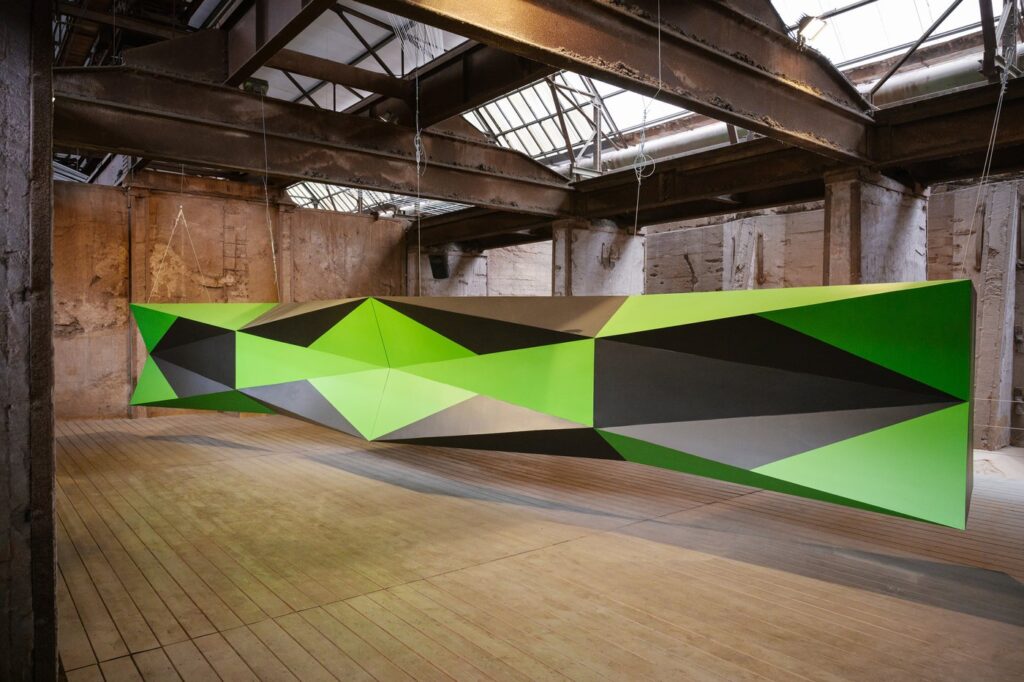
Spanish artist Ampparito made a bold statement by painting the phrase “no hay nada de valor” (translating to “There is nothing of value here”) in large white letters on a shed’s roof. This artistic commentary is best appreciated from a viewing platform situated 45 meters (148 feet) above the ground. Dutch artist Boris Tellegen, commonly known as Delta, contributed a massive wooden sculpture, characterized by striking green and black colors, which enhances the ambiance of the ironworks' interior.
Additionally, the French collective Vortex-X, known for their recycling practices, created a work titled “Memory in transit” by stretching white industrial fabric across one of the building’s expansive halls. As the exhibition unfolds, visitors encounter the blend of decayed beauty and modern art that characterizes the site.
Despite the former ironworks’ dusty and aged appearance, British artist Remi Rough found charm in its decay, stating that his clean and clinical paintings intended to provide a contrasting perspective. Danish artist Anders Reventlov expressed his gratitude for the opportunity to work in such a historically significant place, acknowledging the harsh conditions that once prevailed there and highlighting the transformation the site has undergone.
Beil remarked that the organizers seek truly original pieces that reflect the site’s unique character, which inherently limits commercial influence. He emphasized that the event aims to present pure art installations that resonate authentically with the historical industrial context of the Völklinger Hütte.
The Biennale officially opens to the public on Saturday and will continue until November 15, offering attendees a chance to enjoy the intersection of urban art and historical significance in this remarkable venue.








