

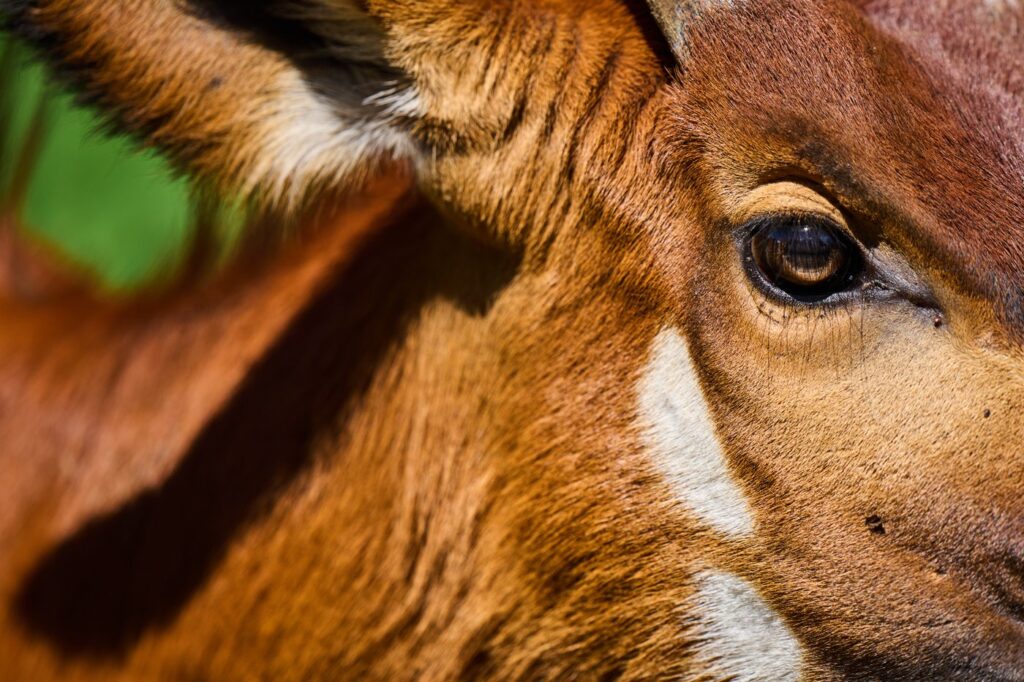
The critically endangered mountain bongo antelope, often referred to as the "ghost of the forest" due to its elusive nature and remarkable camouflage in thick vegetation, is cautiously making a return to its wild habitat in Kenya. Once facing severe threats due to habitat loss and poaching, conservation efforts are gradually aiding in the recovery of this rare species, which is native to the mountain forests of East Africa.
According to reports, a significant development occurred when four mountain bongos were repatriated from the Czech Republic, marking an important step towards revitalizing the population in their natural environment. These bongos arrived at Jomo Kenyatta International Airport in Nairobi, Kenya, on April 28, 2026. Their return is part of a broader initiative aimed at boosting the dwindling numbers of this critically endangered species.
On May 8, 2026, additional sightings of mountain bongos moving through the lush forested landscapes of Mount Kenya, Africa's second-highest mountain, were documented in Nanyuki, Laikipia County. Photographs captured the bongos gracefully navigating their habitat, highlighting their remarkable adaptability despite past adversities. Various images showcase both lone animals and groups feeding on the abundant vegetation within the confines of the Mount Kenya Wildlife Conservancy.
The Mount Kenya Wildlife Conservancy plays a crucial role in the conservation of mountain bongos, providing a safe haven for them and facilitating their gradual reintroduction into the wild. On May 8 and 9, 2026, several photographs depict mountain bongos engaging in normal behaviors such as feeding and exploring their surroundings within forest enclosures, emphasizing the success of the ongoing conservation efforts.
One touching image shows a mountain bongo, recently sent from the Czech Republic, being nurtured by Christine Gathoni at the conservancy. This level of care is vital in ensuring that the bongos adapt to their environment and thrive in the wild once they are reintroduced. Other captivating photographs illustrate their behavior, such as a bongo licking its nose inside the enclosure, showcasing their unique characteristics and gentle demeanor.
Overall, the return of the mountain bongo to Kenya’s forests is a hopeful narrative for wildlife conservationists. Continuous monitoring and protection measures will be necessary to ensure the security of this species and their habitats. As efforts to protect and study the mountain bongo continue, these majestic animals symbolize the larger fight for biodiversity and the preservation of endangered species in Africa.








