

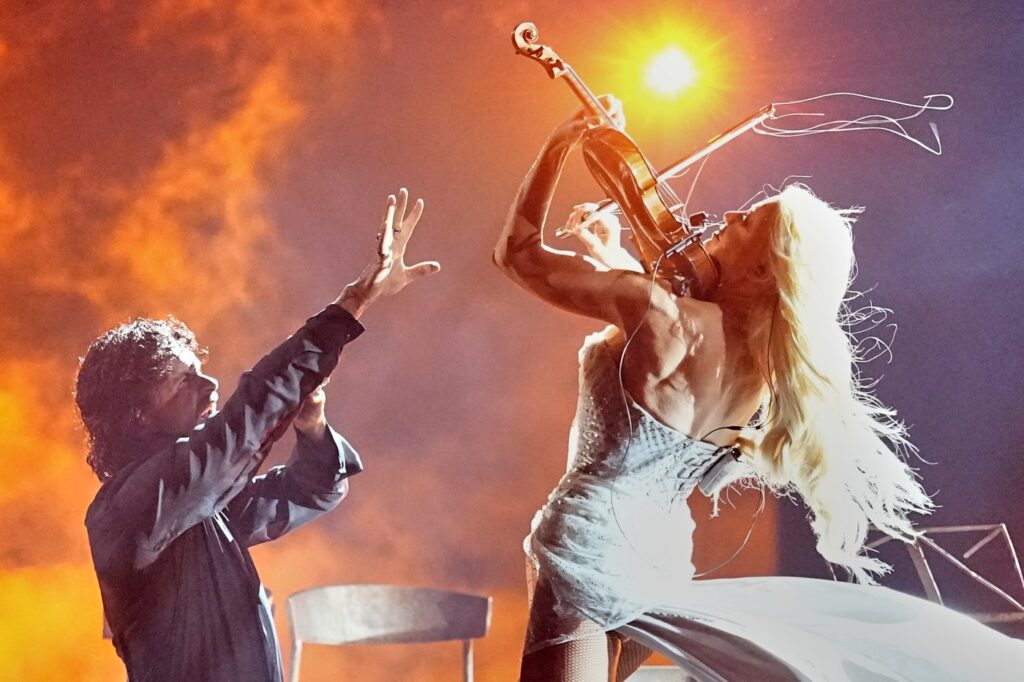
On Saturday night, the grand final of the 2026 Eurovision Song Contest took place at the Wiener Stadthalle arena in Vienna, showcasing performances from 25 countries in a spirited competition for the continent's pop crown. The event, famous for its eclectic mix of musical styles and vibrant performances, saw artists bring their best to the stage, vying for the prestigious title. Among the entries, not all songs were equally memorable, yet a selection stood out, captivating audiences and critics alike.
First on the list is Romania’s Alexandra Capitanescu with her audacious track, “Choke Me”. This song channels the essence of a Lady Gaga nu-metal pop vibe. Its spoken-word interludes and the delivery style echo Gaga's signature sounds, particularly in the haunting refrain of “All I need is your love.” The heavy instrumentation reinforces the compelling performance that set the tone for an unforgettable show.
Italy's Sal Da Vinci showcased his talent with “Per Sempre Sì”, a song that begins with a soft piano melody and grows into a lively, groovy anthem. His performance radiated charm, reminiscent of earlier Eurovision days, making it a fun, vintage romp that delighted the audience and added a touch of Italian flair to the contest.
Cyprus' Antigoni, known from her time on “Love Island UK,” delivered a catchy summer tune with “Jalla”. The incorporation of traditional Cypriot instruments like the çifteli and lute provided a unique flavor, turning her song into the ideal backdrop for a mental beach vacation, showcasing her growth as a pop artist.
Finland electrified the night with “Liekinheitin”, performed by Linda Lampenius and Pete Parkkonen. This dynamic duo delivered an energetic blend of anguished vocals paired with fiery violin playing. As an "Idol" finalist with a globally recognized classical background, Lampenius and Parkkonen's collaboration was both unexpected and thrilling, securing their position as early favorites in the competition.
Moldova's entry, “Viva, Moldova!”, by rapper Satoshi delivered an infectious performance infused with patriotic zeal. His multilingual rap and catchy chorus boasted addictive hooks supported by relentless modern production, making it hard for anyone to forget the repetitive yet catchy line, “Welcome to Moldova!”
Bulgaria’s Dara took the stage with “Bangaranga”, showcasing her experience as a former reality TV star. With pop elements reminiscent of contemporary hits infused with Nicki Minaj-style influences, Dara’s lively performance undeniably elevated the mood of the evening.
From Serbia, Lavina presented “Kraj Mene”, a track that blended pop and metal elements, further enriching the diversity of the contest. The song featured a captivating mix of heavy guitar riffs combined with gospel harmonies, concluding with a surprising sense of intensity that was well-received by the audience.
Australia’s renowned Delta Goodrem graced the stage with her power ballad “Eclipse”. Her impressive vocal range, accompanied by intricate piano work and a grand synth finish, resonated with audiences, making it a quintessential Eurovision entry.
Albania's Alis captivated the crowd with “Nân”, distinguished by its cinematic intro and dramatic presentation. The theatrical performance featured Alis donning a sparkling outfit as he sang, creating a visual spectacle that accompanied the emotive soundtrack.
Finally, Belgium’s Essyla brought a chill vibe with her song “Dancing on the Ice”. Influenced by Billie Eilish's production style, her performance strived for recognition, highlighting her vibrant artistry while leaving a lasting impression at the contest.
In conclusion, the 2026 Eurovision Song Contest celebrated a diverse array of musical talents, each representing their countries with flair and creativity, providing an exhilarating night of entertainment for fans across the continent.








