

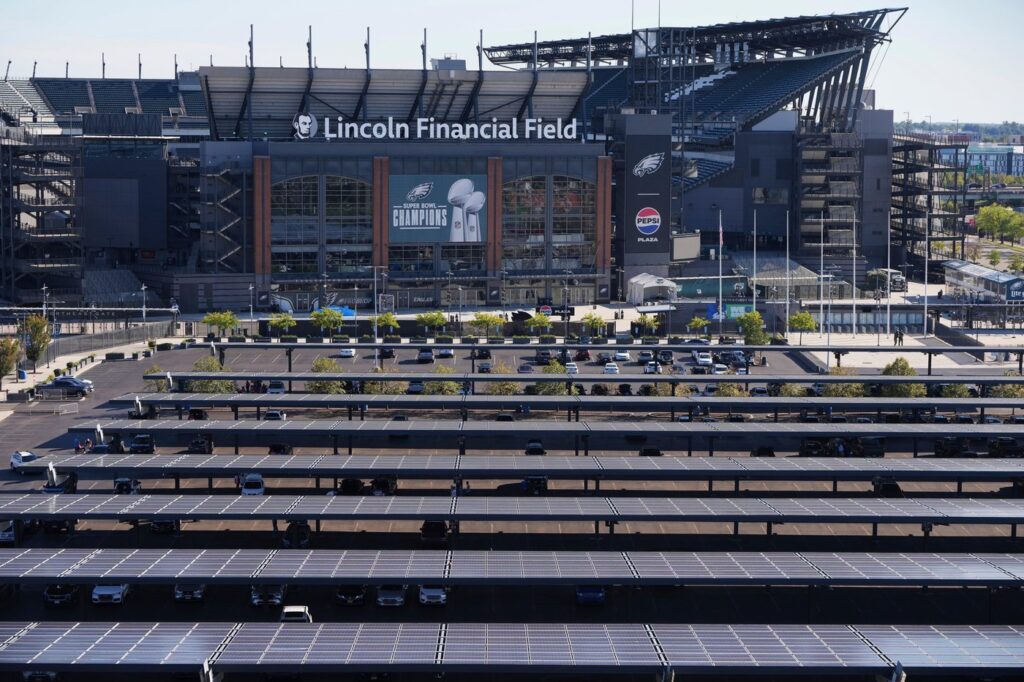
This year’s FIFA World Cup has seen significant advancements in sustainability, with 13 out of the 16 stadiums achieving LEED (Leadership in Energy and Environmental Design) certification. This prestigious green building rating system, administered by the U.S. Green Building Council (USGBC), underscores a commitment to environmental responsibility and innovation in building design. The certification process, which emphasizes strict sustainability standards, has resulted in ten stadiums receiving their certification since 2024.
As a whole, these LEED-certified stadiums have installed over 11,500 solar panels, generating clean electricity and making a remarkable impact on environmental conservation. Collectively, these venues are projected to save over 100 million gallons of potable water annually and eliminate more than 5 million single-use plastics each year. Four of the stadiums have also implemented comprehensive waste management strategies, including reusing, recycling, or composting almost all of their waste, thereby preventing it from ending up in landfills.
Rhiannon Jacobsen, a managing director at the USGBC, highlighted that these sustainable practices lead to cost savings, improved indoor air quality, enhanced fan experiences, and better team performances. FIFA itself has made a commitment to halve its greenhouse gas emissions by 2030 and achieve net-zero carbon emissions by 2040. By utilizing existing stadiums rather than constructing new ones, the tournament mitigates the carbon emissions typically associated with large sports venues. This commitment aligns with the recognition that these stadiums demonstrate efficient energy and water use, improved air quality, and reduced waste.
Despite these achievements, environmental scientists have cautioned that this will likely be the most polluting World Cup in history. The anticipated carbon emissions from air travel alone—due to fans and teams traveling across North America—will be substantial, as will the environmental impact of expanding the tournament from 32 to 48 teams. Estimates suggest that the event will generate more than 9 million metric tons of carbon pollution, a figure comparable to the emissions produced by approximately 6.5 million average British cars over the course of a year.
The LEED rating system, introduced by the USGBC in 1998 and refined multiple times since, serves as a global benchmark for green building practices. Projects earn points in categories such as energy and atmosphere, water efficiency, and indoor environmental quality. Different levels of certification—certified, silver, gold, and platinum—are awarded based on the point tally. Generally, LEED-certified buildings are estimated to consume about 25% less energy, produce around 34% less carbon emissions, and use 10% less water than conventional structures.
North America currently has 51 LEED-certified professional sports venues predominantly located in the U.S., among a total of about 150 certified sports venues that include collegiate stadiums and arenas. The USGBC recently launched an interactive map to feature certified stadiums, which currently highlights various soccer and baseball venues, with plans to expand further.
Efforts toward sustainability were also embraced by specific venues. Garrett Wittmaier, director of stadium services for the Kansas City Chiefs, indicated that FIFA motivated host venues to pursue LEED certification. GEHA Field at Arrowhead Stadium had already undertaken numerous sustainability initiatives, including effectively sorting and diverting over 90% of trash from landfills, employing biodigesters for organic waste, and implementing water-saving fixtures. The stadium’s reusable cup program alone prevented approximately 100,000 plastic cups from being discarded as waste.
One of the milestone achievements in this initiative was Estadio Azteca, Latin America’s largest soccer stadium, which achieved the highest level of LEED certification in October. This 60-year-old venue demonstrated that older facilities can meet modern sustainability standards, reducing indoor water use by 36% and energy use by nearly 45% through efficient systems and fixtures. Félix Aguirre, the stadium's deputy general manager, noted that accomplishing this in just one year was a remarkable feat given the facility's historical context.
Other stadiums that completed the LEED certification process ahead of the tournament include AT&T Stadium, Gillette Stadium, Hard Rock Stadium, MetLife Stadium, and others. AT&T Stadium, which will host nine matches during the tournament, invested over $7 million in sustainable technologies and earned gold certification in March. Similarly, MetLife Stadium, which will host eight matches including the final, achieved gold certification by focusing on solar energy use and waste diversion strategies.
In summary, the commitment to sustainable practices at the FIFA World Cup is evident through the extensive efforts made by the stadiums involved. This showcases a significant movement towards greener practices within large-scale sports events, while acknowledging ongoing environmental challenges.








