

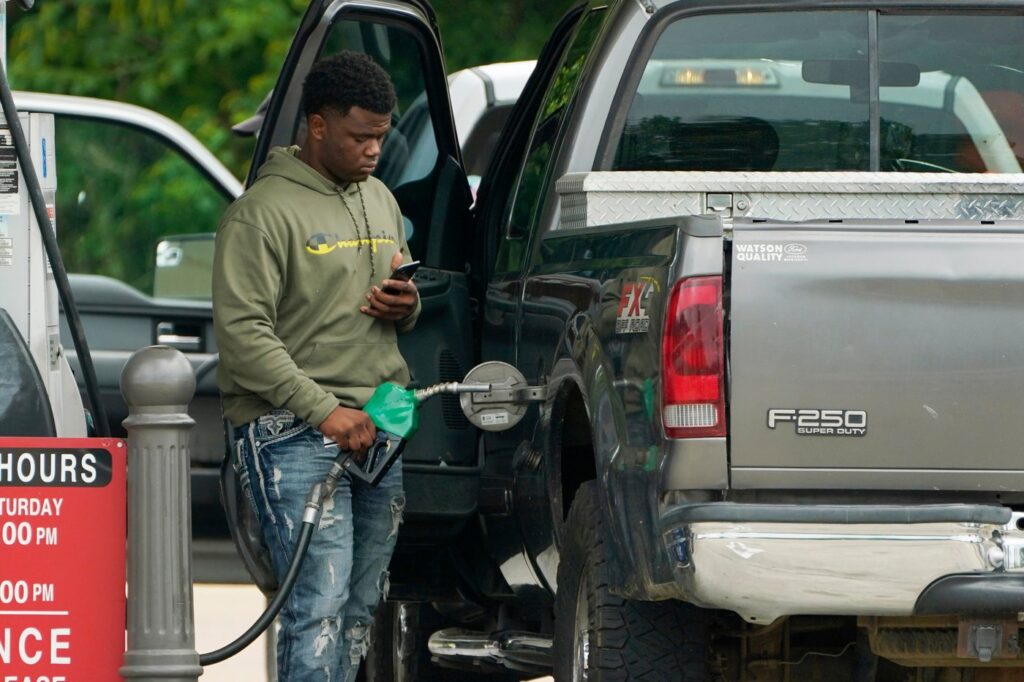
U.S. consumers continue to spend despite rising fuel prices driven by the Iran war, yet they are reevaluating their purchasing habits, according to insights from retail analysts and company executives. While overall consumer spending remains resilient, particularly among higher-income groups, lower-income shoppers are beginning to cut back on discretionary purchases. Major retailers such as Walmart, McDonald's, and Dollar General have reported changes in consumer behavior, including fewer visits to clothing and furniture stores and a shift towards more value-oriented retailers.
Trevor Chapman, a communications executive from West Hills, California, notes the impact of gas prices on their budgeting decisions. The couple has opted to plan fuel stops around Costco, which offers lower fuel prices, and are increasingly turning to online grocery shopping to avoid impulse buys. Chapman remarked, "Gas is a kind of catalyst... it’s starting to feel like it’s adding up more and more." The Commerce Department's recent report indicates that higher prices, rather than increased purchases, are responsible for growth in consumer spending, with significant inflation rates reported as of April 2023.
Warehouse stores like Costco, Walmart's Sam’s Club, and BJ's Wholesale Club have seen increased traffic at gas stations. However, these consumers are now purchasing less fuel per visit; Walmart has reported that customers are filling up less than 10 gallons on average for the first time since 2022, a clear indication of financial strain. Costco's CFO noted that members are visiting gas stations more frequently but are now "topping up" instead of filling their tanks fully, worried about future price hikes.
Convenience stores are experiencing a downturn, with the National Association of Convenience Stores reporting a nearly 10% decrease in pump transactions. This decline is attributed to shoppers opting for big-box retailers, which offer fuel at lower prices, resulting in decreased in-store sales as well.
Dining out has remained steady in the early months of the conflict, due in part to tax refunds, but there are signs of changing habits as consumers tighten their budgets under the pressures of escalating gas and overall consumer goods prices. While restaurant visits have not significantly declined yet, the National Restaurant Association emphasizes that increased spending at restaurants is largely attributed to higher menu prices rather than increased customer traffic.
As consumers feel the pinch of rising prices, many are making trade-offs in their grocery shopping as well. Stew Leonard, the president of a supermarket chain, observed that customers are buying in bulk and sticking closely to their shopping lists, aiming to save money. Dollar General's CEO noted that gas prices above $4 per gallon have prompted shifts in consumer behavior among mid-to-low-income shoppers, with many reducing their food expenditures.
In the context of evolving spending patterns, consumers are also reducing their non-grocery purchases. Between late April and late May 2023, U.S. retailers sold 6% fewer non-grocery products compared to the same period in 2025, particularly in categories like housewares, clothing, footwear, and sports equipment, which experienced declines between 5% and 7%. Interestingly, despite the overall downturn, toys and beauty products showed at least an 8% increase in sales volume.
Location data from Placer.ai identifies a notable shift in consumer movement, with visits to the gas stations of warehouse clubs correlating with rising fuel prices while foot traffic at clothing, electronics, and home furnishings stores has decreased. Chief retail advisor Marshal Cohen concludes that consumers are tightening their focus on value-oriented retailers, reflecting a clear trend of prioritizing needs over wants as financial pressures mount.








