

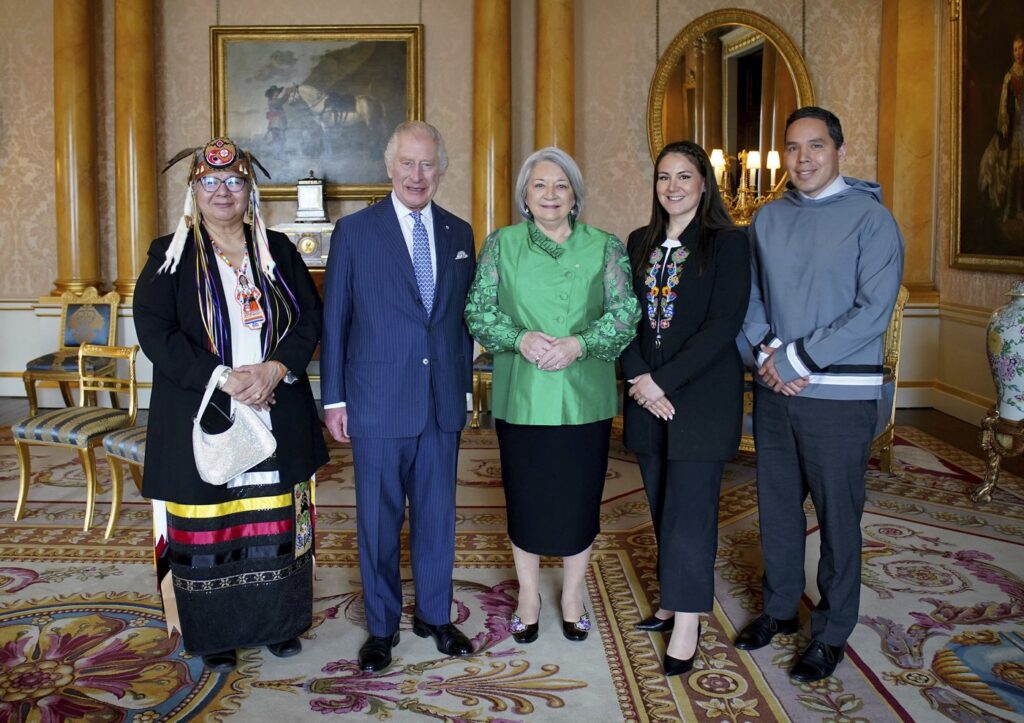
OTTAWA – Natan Obed, president of Inuit Tapiriit Kanatami, expressed pride in how Governor General Mary Simon effectively balanced her dual identities as an Inuk woman and the representative of the Crown in Canada. He noted that self-determination allows individuals to choose their roles within the country, and Simon's tenure exemplified this balance between her Indigenous identity and her official duties as head of state on behalf of the King of Canada.
Throughout her time as Governor General, Simon demonstrated a down-to-earth attitude and a genuine care for people, according to Obed. Her commitment to fostering reconciliation between Canada and Indigenous Peoples has been unwavering as she concluded her tenure, which saw her serve both Queen Elizabeth and King Charles. Louise Arbour, a former Supreme Court justice and United Nations high commissioner for human rights, is scheduled to succeed her on Monday.
Obed described Simon as a national grandmother figure whose love for children and diverse backgrounds made her approachable. He shared personal anecdotes from their shared flights and official events, where Simon would often engage him with jokes or inquiries about his family. Her role in celebrating the accomplishments of Indigenous Peoples and Canadians exemplified her dedication to the community.
Obed emphasized that Simon's understanding of both the limitations and strengths of her position garnered her respect, particularly among Inuit communities. Her humility and deep connection to her roots allowed her to serve effectively in the role. Simon's leadership during historical negotiations, particularly those leading to the patriation of the Constitution in 1982 and the inclusion of Section 35, which affirms Indigenous rights, solidifies her legacy.
The reflection of Simon's community ties was evident at Rideau Hall, where symbols of Inuit culture created a welcoming atmosphere. Sealskin draped tables, and Indigenous cuisine featured at official receptions educated international guests about Canada's cultural diversity. Obed highlighted these elements, stating they represented the pinnacle of great leadership.
Despite challenges during her tenure, including early criticism about her French language proficiency and facing allegations of racism and sexism, Obed advocated for Simon. He pointed out that she is bilingual, speaking Inuktitut fluently, and acknowledged the barriers she faced growing up in a region where the Quebec government marginalized her. Her resilience in serving alongside the prime minister is a testament to her remarkable character.
Obed noted that Simon maintained a forward-looking perspective, focusing on possibilities rather than dwelling on criticisms. He expressed anticipation for her next steps and voiced hope that she would assist the Inuit Tapiriit Kanatami in establishing the Inuit Nunangat University, a project Simon once championed. This university aims to allow Inuit students to pursue post-secondary education in their homeland, a first for the community when it opens in 2030.
Outside of her professional pursuits, Obed mentioned that Simon enjoys berry picking and spending time in Inuit Nunangat, expressing a desire for her to take time to unwind after her impactful tenure.








