

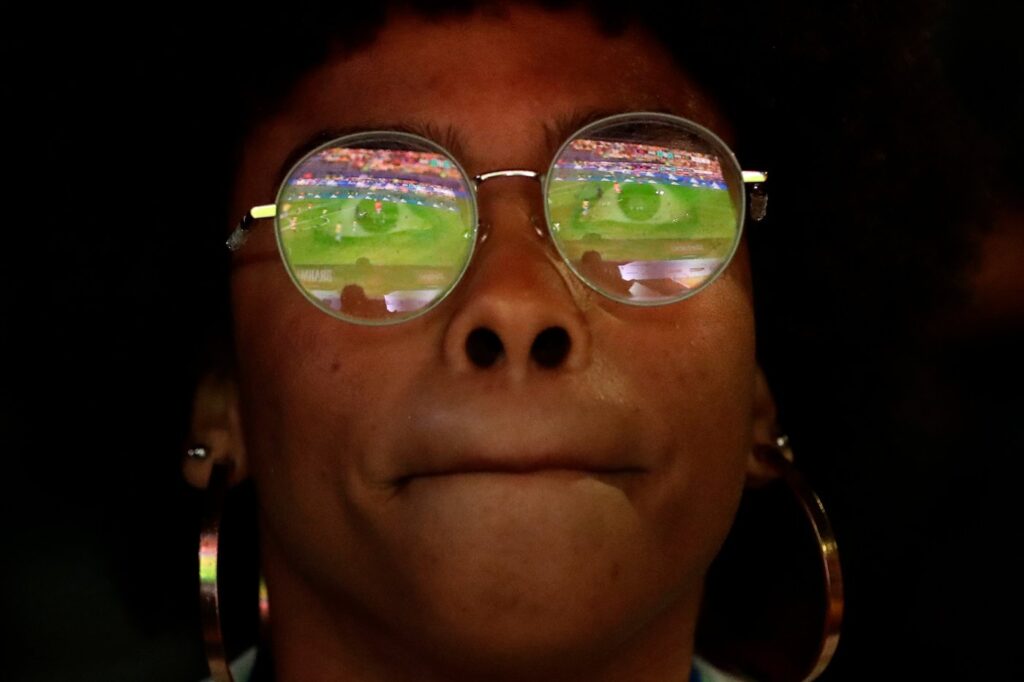
The week of July 3 – 9, 2026, showcased a whirlwind of emotions across Latin America in the wake of the World Cup and natural disasters. The knockout stage of the tournament saw Mexico and Brazil fans mourning their teams' defeats against England and Norway, respectively, while Argentine supporters celebrated a thrilling 3-2 victory over Egypt. This major sporting event provided a backdrop for both joy and despair as countries rallied behind their teams in this exciting football competition.
In Brazil, a notable scene unfolded on Copacabana beach in Rio de Janeiro, where a passionate soccer fan watched intently as Brazil faced Norway. The atmosphere was charged with anticipation, but the heartbreak was palpable as Brazilian hopes were dashed following their loss. On the same day in Mexico City, after England triumphed over Mexico, fans reacted in shock and disappointment, underscoring the emotional investment in the tournament.
Beyond the football matches, Venezuela was grappling with the aftermath of twin earthquakes that had occurred two weeks prior, affecting countless lives. As search and recovery efforts continued, residents of La Guaira were seen sifting through rubble to retrieve belongings and discover the fates of missing loved ones. This tragic situation was poignantly illustrated through the lens of a grieving uncle, Julio Ladera, who wrote the name of his nephew after finding his body in the debris of the collapsed buildings.
Cuba faced challenges of its own as the island endured a significant blackout, leaving residents to navigate their surroundings with the aid of flashlights. This widespread power outage added to the existing difficulties faced by many Cubans, highlighting their resilience in moments of adversity. People walked in darkened streets, showcasing their adaptability in challenging circumstances. These images captured the essence of life during a blackout, showcasing a society that perseveres despite infrastructural struggles.
Meanwhile, in Buenos Aires, a unique sight captured attention as a replica of the Statue of Liberty stood among clothes hanging to dry at a home on the outskirts of the city. This imagery, combined with Argentina's ongoing World Cup success, represented the mix of culture and sports that characterizes the nation. Fans were also spotted enthusiastically decorating their cars with World Cup soccer album stickers, emphasizing the local passion for football.
In Venezuela, the impact of the earthquakes extended to the medical field, with reports of young individuals receiving treatment for severe injuries. Sixteen-year-old Fabricio Gutierrez was one such victim, recovering at Perez Carreno Hospital in Caracas after enduring the traumatic experience of an apartment building collapse that led to the amputation of his foot. His story served as a stark reminder of the human toll of natural disasters on young lives.
The week also included moments of collective enjoyment as fans congregated in various locations to watch the World Cup matches. In Bogotá, Colombia, rooftop terraces were filled with supporters watching the Round of 16 match between Colombia and Switzerland, exemplifying the widespread enthusiasm for the sport throughout Latin America. Such gatherings forged a sense of community, where individuals rallied together to support their teams, fostering camaraderie amidst significant emotional upheaval.
As the world watched, the intertwining narratives of sporting triumph and personal struggle vividly illustrated the complexities of life in Latin America during this captivating week.








