

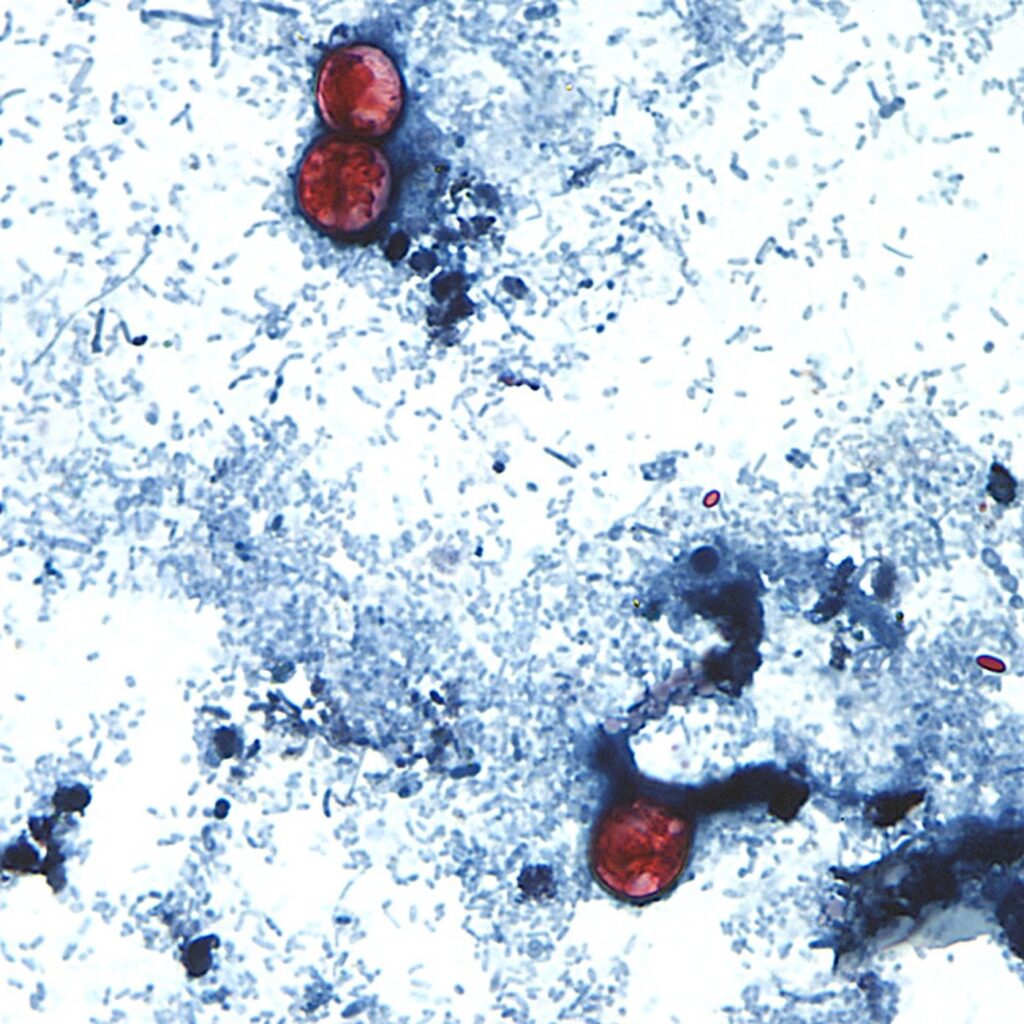
TORONTO – The Public Health Agency of Canada has announced that the ongoing outbreak of cyclospora, a diarrhea-causing parasite, which has infected more than 1,200 individuals in Michigan, has not spread into Canada as per the latest information. The outbreak was first acknowledged by Michigan authorities last week, reporting an initial count of over 170 infected individuals.
As of Thursday, the number of cases in Michigan surged to 1,251, reflecting an increase of nearly 260 cases within a single day. Public health officials in Michigan have indicated that the source of the outbreak is currently unidentified, noting that the surge in cases is highly unusual when compared to the typical annual average of 50 cases.
Cyclospora is primarily recognized for inducing watery diarrhea that may last six to seven weeks, alongside other symptoms such as bloating, gas, nausea, tiredness, stomach cramps, loss of appetite, weight loss, and a mild fever. The transmission of the parasite often occurs through food contaminated by the feces of an infected individual, which may infiltrate the water supply used for watering crops or during food processing or packaging stages.
Mark Johnson, a spokesperson from the Public Health Agency of Canada, stated that no cyclospora outbreaks are presently under investigation in the country. He reassured that the parasite is not present in Canada’s drinking water, and it is also not commonly found on food products within Canada. However, cyclospora can arrive via imported foods from various regions, including Peru, Cuba, India, Nepal, Mexico, Guatemala, Southeast Asia, and the Dominican Republic.
Health authorities observe a typical rise in cyclospora cases during the summer and spring months coinciding with the influx of fresh produce into Canada. Certain foods associated with the parasite include basil, cilantro, raspberries, blackberries, mesclun lettuce, snow and snap peas, and pre-packaged salad mixes.
To mitigate the risk of infection, the Public Health Agency of Canada recommends cooking fresh fruits and vegetables sourced from countries with known cyclospora concerns, or alternatively, consuming fresh produce cultivated within Canada.
The illness caused by the parasite, known as cyclosporiasis, is usually diagnosed through a stool sample, with treatment available via prescription medication. Symptoms generally begin to improve within two to three days following the initiation of treatment; however, it may take several weeks for intestinal issues to fully resolve.
This report was first published on July 9, 2026, highlighting the ongoing concern regarding food safety and public health relating to cyclospora.








