

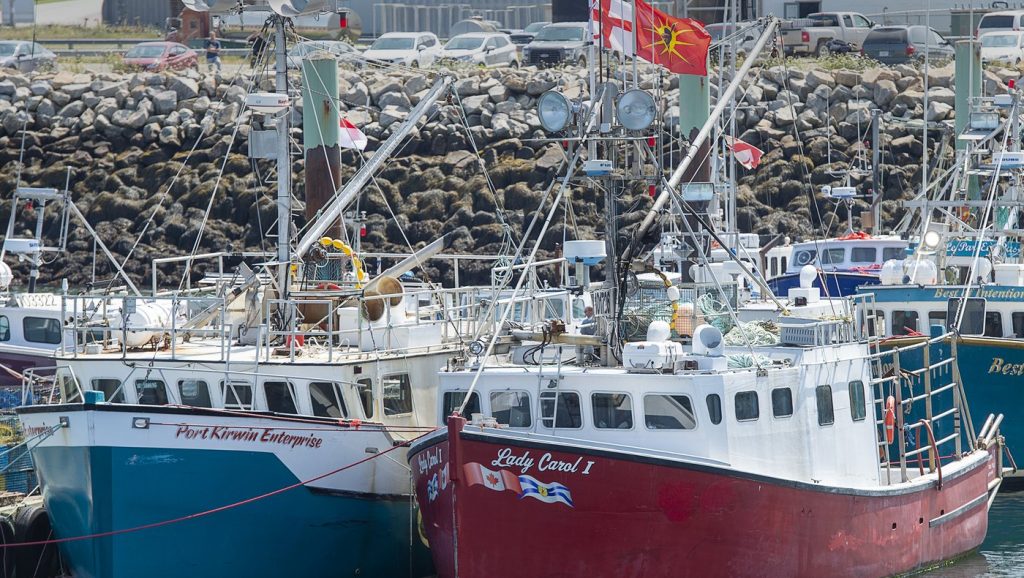
HALIFAX – A recent ruling by Nova Scotia Supreme Court Justice Ann Smith has highlighted the ongoing tensions between commercial lobster fishing groups and the Sipekne'katik First Nation regarding treaty rights. The Unified Fisheries Conservation Alliance, a non-profit organization, sought to challenge the First Nation's right to fish for lobster commercially, arguing that it has been operating illegally in St. Mary’s Bay since 2010. The alliance contended that the First Nation's actions were violating federal regulations and harming lobster stocks in the region.
In her decision released on Wednesday, Justice Smith determined that the court lacked jurisdiction to entertain the alliance's claims. She pointed out that the assertion made by the Unified Fisheries Conservation Alliance was “fatally flawed” because it did not contest any specific government actions or laws related to the fishing activities. The ruling emphasized that the treaty rights claimed by the Sipekne'katik First Nation—stemming from the Peace and Friendship Treaties of 1760-61—are not subject to challenge by the alliance.
Additionally, Justice Smith referenced the established legal precedent from the Supreme Court of Canada, which indicates that matters involving treaty rights should be resolved through negotiations between First Nations and the federal government, rather than through adversarial litigation. This doctrine underscores the “special relationship” that exists between the Crown and Indigenous communities regarding Aboriginal and treaty rights.
According to Smith’s ruling, it falls to the Sipekne'katik First Nation to decide how it wishes to engage with the federal government concerning its asserted treaty rights to partake in a commercial fishery in St. Mary’s Bay. She also noted that discussions between the First Nation and the federal government are ongoing, indicating a path forward that relies on dialogue rather than court battles.
The decision further cited a Supreme Court of Canada ruling from 2024, which underscores that litigation can often hinder efforts at reconciliation. This precedent emphasizes the necessity of avoiding costly and protracted legal disputes when seeking results that are oriented towards reconciliation concerning Aboriginal and treaty rights. The 2024 ruling reinforces the philosophy that cooperation and negotiation may yield more favorable outcomes for all parties involved.
This latest court ruling reflects the complex dynamics in the region as the Sipekne'katik First Nation exercises its rights under historic treaties while facing opposition from commercial fishing groups who claim that these activities threaten lobster populations and, by extension, the fishing industry. The ongoing negotiations are critical in navigating these challenges, and the court’s decision serves as a reminder of the legal frameworks that govern treaty rights in Canada.








