

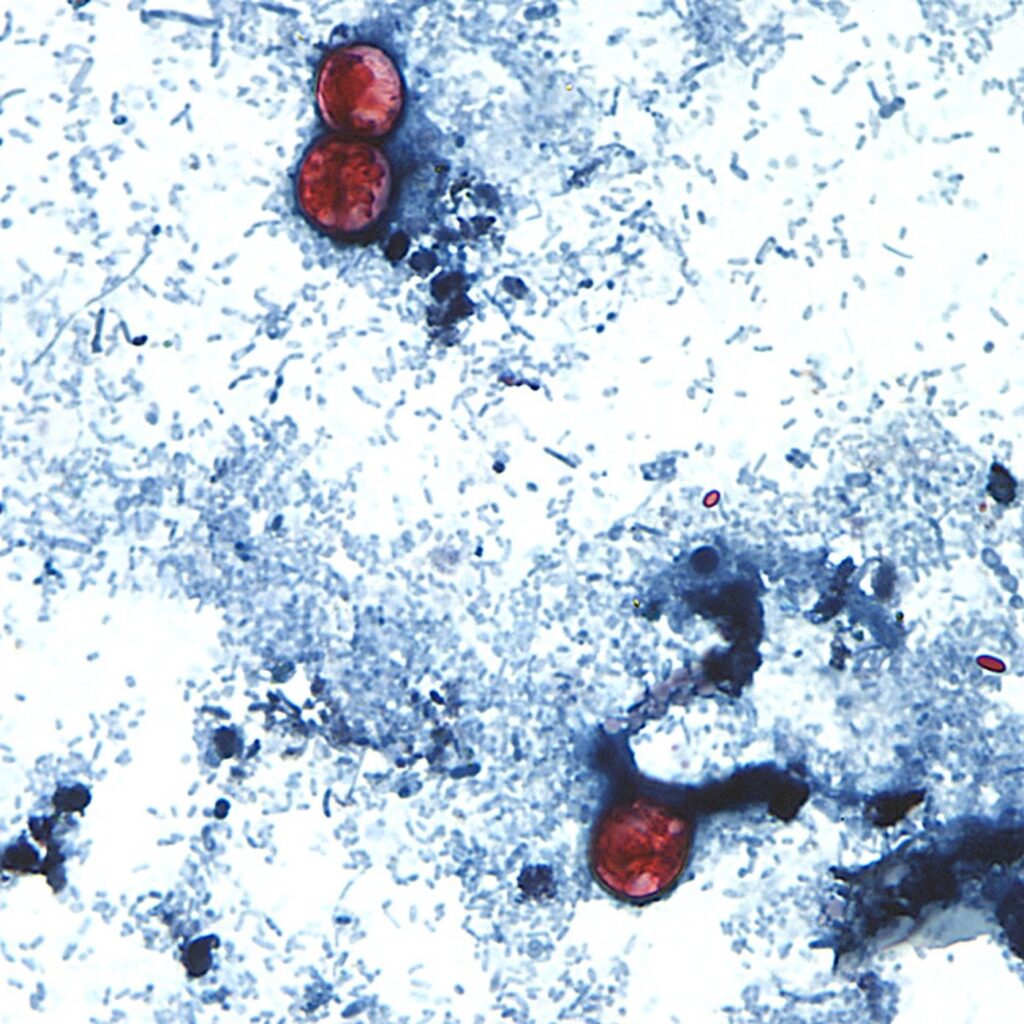
The Public Health Agency of Canada (PHAC) has announced that a recent outbreak of cyclospora, a parasite causing severe diarrhea, has predominantly affected residents of Michigan, with no confirmed cases in Canada at this time. The situation in Michigan, where the outbreak was first reported last week, has escalated significantly. Initially, the state reported over 170 infections, but the number surged to 1,251 by Thursday, marking an increase of nearly 260 cases within a single day.
Michigan public health officials have indicated that the source of the outbreak remains undetermined. This surge in cases is particularly alarming because the average number of cyclospora cases reported in previous years has been around 50, highlighting the unusual nature of this current situation.
Cyclospora is known to cause watery diarrhea that can last between six to seven weeks, accompanied by additional symptoms such as bloating, gas, nausea, tiredness, stomach cramps, lack of appetite, weight loss, and mild fever. The transmission of the parasite is often associated with contaminated food or water, specifically when fecal matter from an infected person contaminates water supplies used for irrigation or during food processing and packaging.
Mark Johnson, a spokesperson for PHAC, confirmed that there are currently no investigations related to cyclospora outbreaks ongoing in Canada. He reiterated that the parasite is not present in the country’s drinking water and is not commonly found on food produced domestically. However, imported products can carry the parasite, especially from countries like Peru, Cuba, India, Nepal, Mexico, Guatemala, Southeast Asia, and the Dominican Republic.
PHAC has noted a seasonal trend regarding cyclospora infections, with cases typically spiking during the spring and summer months when fresh fruits and vegetables are more frequently imported into Canada. Certain foods have been linked to the transmission of the parasite, including basil, cilantro, raspberries, blackberries, mesclun lettuce, snow and snap peas, and pre-packaged salad mixes.
To minimize the risk of infection, the Public Health Agency of Canada advises consumers to either cook fresh fruits and vegetables imported from regions where cyclospora is prevalent or to opt for produce that is grown locally within Canada.
Diagnosing cyclosporiasis involves analyzing a stool sample, and treatment typically consists of prescription medication. While symptoms often begin to improve within two to three days of starting treatment, it may take several weeks for all intestinal issues to completely resolve.








