

HALIFAX – A recent study conducted by researchers at Dalhousie University has revealed that Nova Scotia's decision to allow pharmacists to administer preventative treatments for early signs of Lyme disease has significantly decreased the number of emergency room visits for tick bites. The study compared the visitation rates at three hospitals in Nova Scotia before and after the new policy was implemented in 2021.
The findings indicate that emergency room visits for tick bite cases dropped by approximately 50 percent following the change, thereby alleviating some of the pressures on emergency departments. Emily Black, the lead author of the study, emphasized that this reduction in visits allows healthcare providers to focus their attention on patients with more urgent medical needs.
Black noted that the significant decrease in tick bite cases is particularly important for Nova Scotia, a province that records the highest incidence of Lyme disease in Canada. In 2024, Nova Scotia became the first province in the country to permit pharmacists to provide early treatment for patients already diagnosed with Lyme disease, in addition to preventative treatments.
As pharmacists in Nova Scotia expand their scope of practice, Black expressed hope that their experience could serve as a model for the rest of Canada. “Nova Scotia is definitely ahead of most other provinces,” she stated. “My hope would be that other provinces can learn from some of our experiences and hopefully increase access to care in other places.”
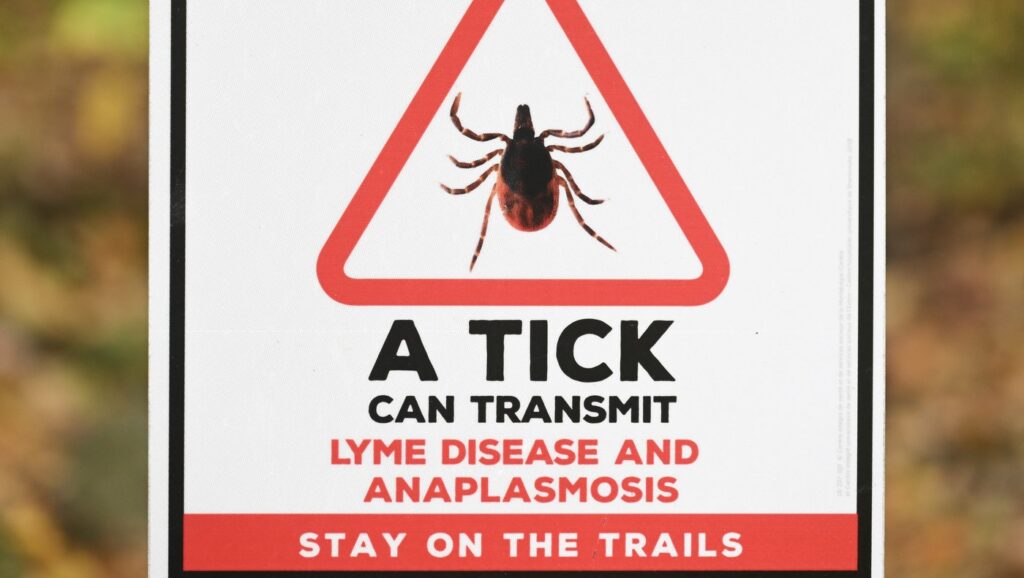
Lyme disease, the most prevalent tick-borne illness in North America, is contracted when individuals are bitten by black-legged or western black-legged ticks that carry the bacteria responsible for the disease. Nova Scotia reports the highest ratio of ticks to residents among Canadian provinces and territories, particularly in the South Shore and Annapolis Valley regions, which have the densest tick populations.
Federal data indicated that in 2024, over 2,300 cases of Lyme disease were documented in Nova Scotia alone. Sadaf Faisal, the chief pharmacist officer at the Canadian Pharmacists Association, pointed out that while all pharmacists across Canada are trained to administer both preventative measures and early treatment for Lyme disease, many provinces do not currently allow them to do so.
“We really want to see a greater consistency across Canada, where pharmacists are enabled to practice to their full education and training so that patients can benefit regardless of where they live,” Faisal noted. This sentiment underscores the growing call for improved healthcare access throughout the country.
Matthew Clarke, the associate chief medical information officer for Nova Scotia Health, further stressed the significant pressures that emergency departments in the province are facing, leading to extended wait times for patients. He remarked, “Having a tick bite and having to wait many hours in an emergency department for treatment is not great from a patient experience.” Allowing pharmacists to provide care for tick bites reduces the waiting time for patients significantly, leading to a marked improvement in their overall experience.
Clarke, who also serves as an emergency department physician in Halifax, has observed a decline in the number of patients seeking treatment for tick bites in recent years. He believes that the positive outcomes identified in the study may encourage other jurisdictions both within and outside of Canada to consider similar measures to improve healthcare access and efficiency.








