

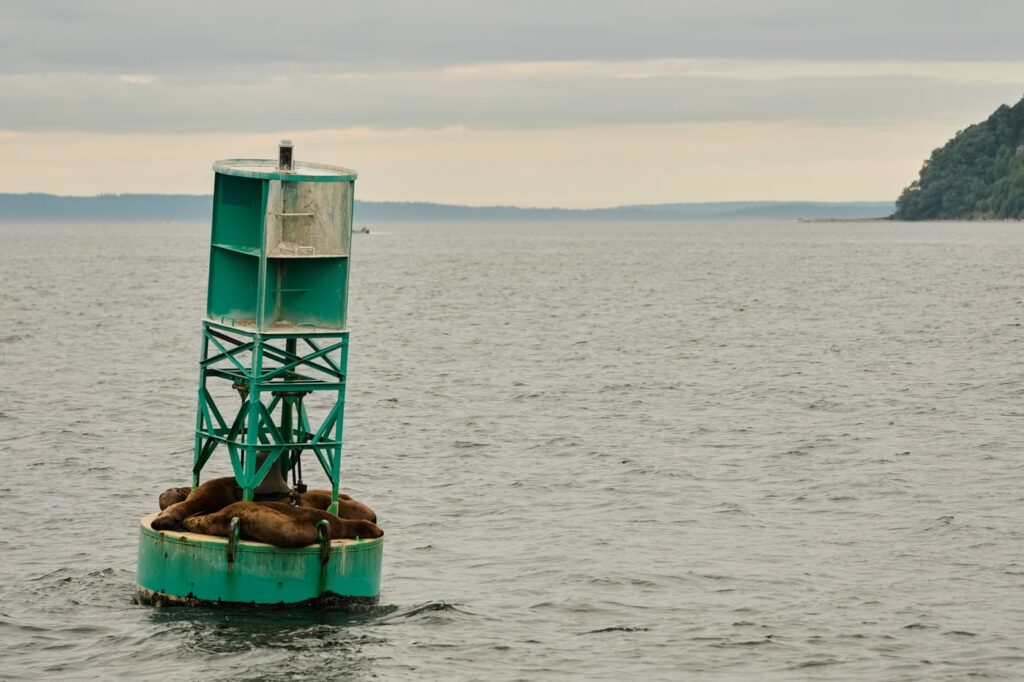
Officials in northwestern Ireland are making efforts to recover a large buoy that originated from Canada and found its way across the Atlantic Ocean, eventually washing up on Achill Island. The buoy, which weighs approximately 3.5 tonnes, is a type of mariner marker that has become an unexpected visitor to the shores of this picturesque island.
The buoy's arrival was announced through a news release from Mayo County Council, which highlighted the buoy's long journey and its unique characteristics. Achill Island is renowned for its stunning landscapes, including rugged mountains and beautiful sandy beaches, making it an ideal yet unexpected resting place for the drifting buoy.
According to the Mayo County Council, the Canadian Coast Guard alerted them to the buoy's tendency to drift far from its home waters. The council expressed their intention to recover the buoy promptly. They aim to mitigate potential hazards it might pose to vessels navigating the area or to coastal infrastructure, as floating objects can create dangerous conditions for sailors and beachgoers alike.
This buoy is not just a simple navigational tool; it is equipped with a navigation light and is capable of producing a distinctive wave-powered whistling sound meant to alert nearby vessels. Such features illustrate the buoy's purpose within maritime safety, functioning as a crucial marker for boats traveling through potentially treacherous waters.
The discovery of the buoy has also provided an amusing and nostalgic focal point for both locals and Canadian officials alike. The council's release playfully mentioned that the buoy serves as a reminder of the historical connections between Mayo County and Canada, stemming from generations of emigration. This cultural link has long been a significant part of the social tapestry between the two lands.
In a lighthearted tone, the council also made a cheeky remark regarding the buoy's return to Canada, suggesting that “Should the Canadians wish to see their buoy again, they may have to make a special trip to Mayo to collect it.” This humorous proposal adds a touch of camaraderie to the situation, emphasizing the friendly relationship between the communities.
The council is now focused on the logistics of removing the buoy from the coastline, ensuring that it does not drift back into the waters where it could result in maritime or environmental issues. There are complexities involved in such recoveries, particularly with large objects that might require specialized equipment and coordination with maritime authorities.
As the situation develops, discussions may arise about how best to transport the buoy back to Canada, whether through an official expedition or by arranging an appropriate method for safe retrieval. Regardless of the outcome, the buoy's unexpected arrival has created a bridge of communication between the two countries, reinforcing their historical ties and shared maritime interests.
In summary, the recovered buoy's journey is becoming more than just a matter of maritime logistics; it is emblematic of connections formed between nations, showcasing a blend of humor, history, and community spirit as they navigate this peculiar maritime dilemma.








