

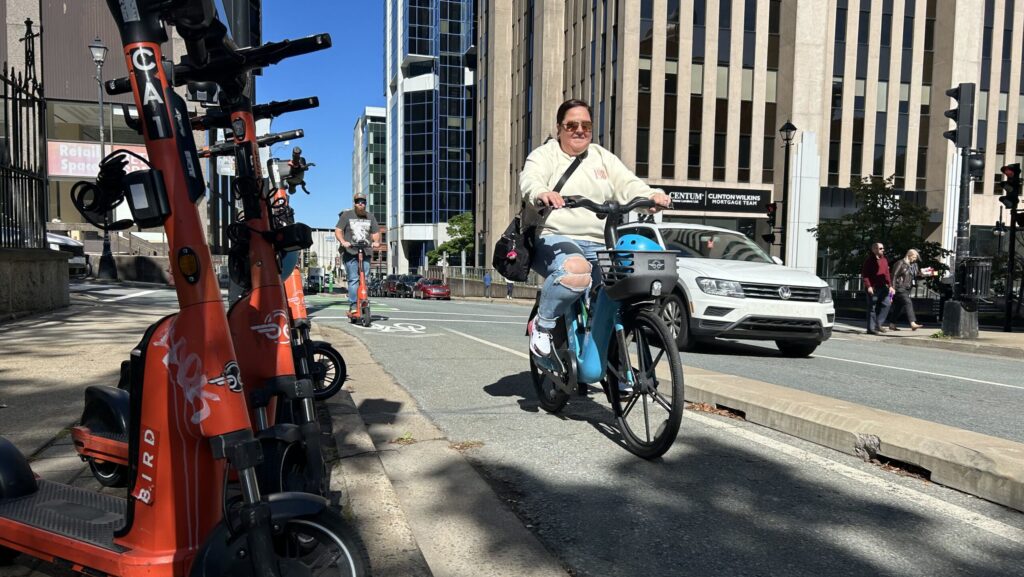
Nova Scotia is set to implement a new Traffic Safety Act that will replace its century-old Motor Vehicle Act. The new legislation aims to enhance the safety of vulnerable road users, a concept that has now been formally introduced into law. This update comes after years of amendments to the original act, which dates back to the 1920s.
The Traffic Safety Act, which was passed in 2025, will officially come into force on October 19, 2026. This new act broadens the definition of vulnerable road users to include not only pedestrians and cyclists but also drivers of farm vehicles, motorcyclists, peace officers, emergency workers, and tow-truck drivers who are active on highways.
Public Works Minister Fred Tilley expressed his approval of the new regulations, stating that the inclusion of vulnerable road users is a significant step forward for road safety in Nova Scotia. He emphasized that these changes will have a profound impact on the safety of highways and roadways for Nova Scotians.
Under the new regulations, drivers who injure or kill a vulnerable road user may face fines that are double the standard amount for serious infractions such as careless driving or speeding. Additionally, courts will treat harm done to vulnerable users as an aggravating factor when determining the length of license suspensions, reinforcing the seriousness of offenses against these individuals.
The unveiling of the first set of regulations associated with the new Traffic Safety Act marks a critical step towards its implementation. The provincial government plans to launch a marketing campaign later this year to inform the public about the forthcoming changes and regulations.
Among the new rules, there are enhanced measures against distracted driving, which now encompass the use of devices such as tablets and GPS systems, thereby closing existing loopholes in the law. Minister Tilley noted that these improvements will support law enforcement in better enforcing distracted driving laws.
Additionally, the act mandates that drivers must remove snow and ice from their vehicles before driving, helping to mitigate hazards caused by winter weather. A new provision also prohibits motorists from opening doors into the path of cyclists or other vehicles, a rule aimed at preventing accidents in busy urban areas.
Another significant aspect of the regulations involves e-bikes. Riders must now be at least 14 years old, aligning with existing age restrictions for e-scooters in Nova Scotia. Municipal officials are also granted the authority to impound e-bikes and e-scooters that can exceed the speed limit of 32 kilometers per hour, addressing concerns over safety and compliance with speed regulations.
Statistics from the Canadian Paediatric Surveillance Program reveal that last year, 57 Canadian children riding e-scooters or e-bikes were severely injured, leading to extended hospital stays or even fatalities. This alarming trend underscores the need for stricter regulations regarding these devices, which have seen a marked increase in injuries in recent years.
In addition to rules concerning vulnerable road users and e-bikes, Nova Scotia is adopting national standards for driver fitness and vision testing. The new legislation also clarifies the ages at which child safety seats must be used, further enhancing pedestrian and vehicular safety. Local governments will now have the option to lower speed limits on municipal roads to below 50 kilometers per hour, allowing for more tailored traffic management strategies based on community needs.
Interestingly, the new regulations do not permit the use of automated traffic cameras to catch speeding drivers, indicating that further study and consultation on this issue are needed before implementing such measures.
This series of changes, designed to promote the safety of all road users especially the vulnerable, represents a decisive shift in Nova Scotia’s approach to traffic legislation and public safety on the roads.








