

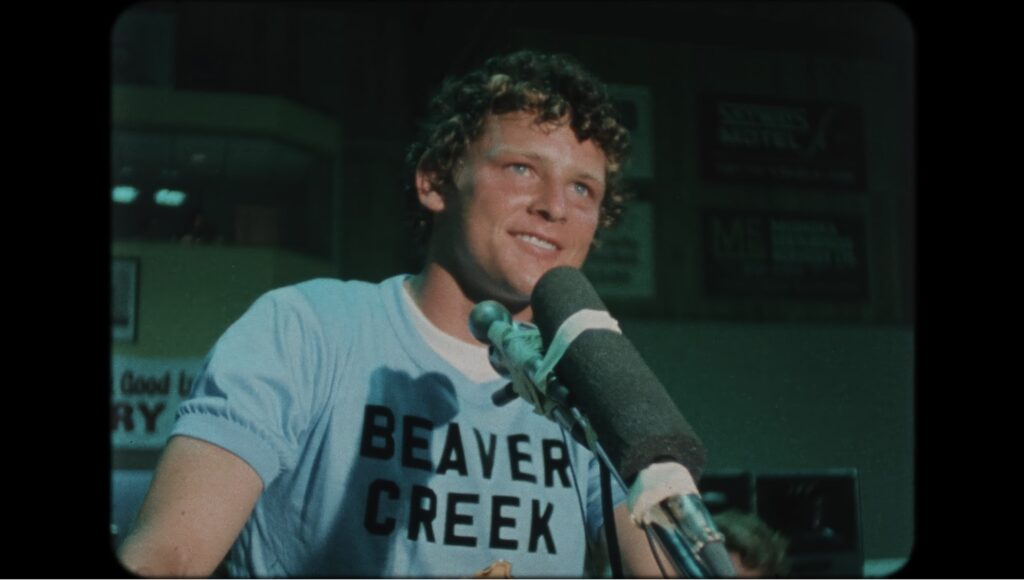
On April 12, 1980, Terry Fox embarked on his Marathon of Hope, aiming to run across Canada to collect funds for cancer research. At just 21 years old, he had already lost his right leg to cancer as a teenager and was determined to convert his personal ordeal into hope for others battling the disease.
Throughout his journey, Canadians tuned in daily to watch his progress on television, as he traveled from St. John’s, Newfoundland, through Atlantic Canada and into Ontario. Tragically, after 143 days and over 5,000 kilometers on the road, his iconic journey came to an abrupt halt when he discovered that his cancer had returned and metastasized to his lungs.
While many are familiar with the story of Terry Fox, a new documentary titled Run Terry Run offers an immersive glimpse into his life and journey. This film documents the day-to-day elements of his epic run, shedding light on his human side and highlighting the profound impact he has had on people’s lives. It serves as a reminder of why he continues to resonate with countless hearts across Canada.
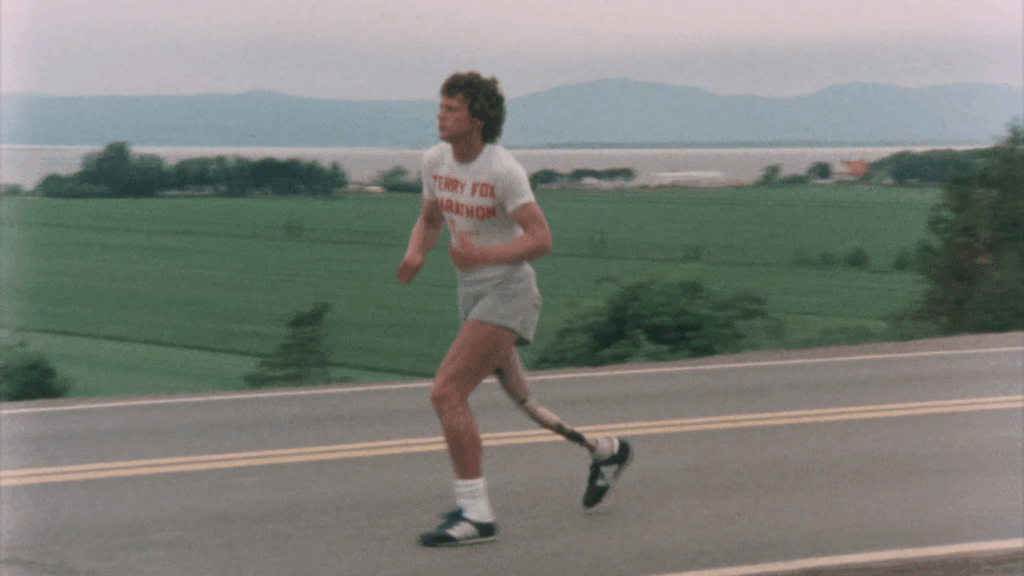
Images from the time depict Terry running alone along vast stretches of highway, yet he was not alone. A small team supported him throughout the run, including his best friend, Doug Alward, who drove the support van, and his younger brother, Darrell Fox, who joined for the last 93 days of the 143-day journey.
CityNews spoke with Darrell Fox and the documentary's director, Sean Menard, to learn about the film's creation.
CityNews: Darrell, Terry has achieved iconic status in Canadian history. What do you believe people still fail to understand about him?
Darrell: Although I’ve shared Terry’s story countless times, I feel that Run Terry Run encapsulates the experience in a way that I have struggled to articulate. It transports viewers back to 1980, allowing them to witness what felt like a miracle. Terry ran every day from morning until dusk, engaging with the media and sharing his message. I found the experience exhausting just from being in the van.

Now, I have Run Terry Run as a resource to direct people, giving them a clearer understanding of what transpired in 1980. While everyone has some awareness of who Terry was, it is the intricate details of his journey that are extraordinarily powerful.
CityNews: The documentary employs limited voiceover, featuring mostly footage and images. Sean, can you elaborate on this choice?
Sean: I aimed to create the definitive film about Terry Fox, focusing exclusively on those who were part of the journey. I made the conscious decision not to include sit-down interviews, as I wanted to preserve the timeless feel of 1980—a magical summer defined by the individuals who were part of this remarkable experience.
CityNews: Darrell, do you recall a moment when you realized Terry's Marathon of Hope had grown beyond expectations?
Darrell: Absolutely, I felt that recognition right from the first day. From being there when Terry prepared for the run to witnessing him embark on the Marathon of Hope, I was certain that as he approached Ontario, the Canadian public would begin to respond in unprecedented ways.
Sean: Interestingly, we captured Darrell's experience on film, showing him running alongside the road, passing water to Terry amidst the traffic, while bystanders were yet to comprehend the significance of what was unfolding.
CityNews: Do you believe Terry would be comfortable with the status that has made him an icon in Canada?
Sean: I think Darrell can elaborate, but I believe Terry wouldn’t want to be put on a pedestal. He would recognize the importance of raising awareness for cancer research, however, so if his status serves that purpose, he would accept it reluctantly.
Darrell: He would feel incredibly uncomfortable with the praise. In the documentary, as Terry reached the peak of his success, he felt upset and emotional due to the attention directed at him. He remained humble, never letting fame change who he was. Despite the acknowledgement, he always emphasized his status as merely one member of a larger initiative.

Everyone has the potential to embody Terry Fox’s spirit. He was an average person who demonstrated that one individual can effect change and inspire others.
CityNews: Is there a misconception about Terry or the Marathon of Hope that you wish to address?
Sean: During the early phases of production, we encountered comments about Terry “walking” across Canada. This portrayal is not accurate and does him a disservice. He ran every step of the way, which reflected his unwavering commitment to his cause.
Darrell: He was adamant about running every bit of the route, stating that if he walked, he would be letting down those he left behind in the cancer ward. His dedication to integrity and honesty was remarkable.

CityNews: Was there a particular moment during the footage that resonated deeply with you?
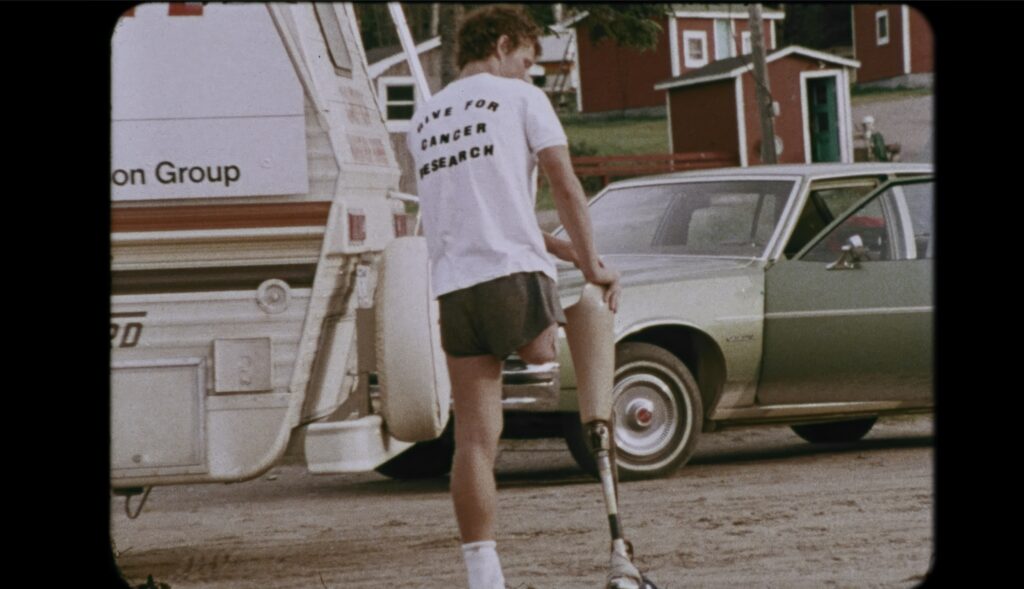
Sean: One of the earliest reels I reviewed was silent, featuring Terry running uphill for several minutes. Watching him fix his prosthetic strap, observing the intensity on his face, and noticing the details of his run gave me fresh insights into his iconic form.
Darrell: The longer clips of Terry running evoked countless memories for me. Listening to his voice alongside newly discovered footage has been an incredible experience; it's like rediscovering him after over 40 years.
CityNews: What does “keep going” mean to both of you in light of this film?
Darrell: For the past 46 years, we've been embodying Terry's message. The Marathon of Hope continues in our efforts to eradicate cancer. Terry's legacy fuels our mission, and we remain hopeful that one day, advancements will allow cancer to be a manageable condition, rather than a fatal one.
Run Terry Run (directed by Sean Menard, 111 minutes) premiered at the Toronto International Film Festival in September and has been screened twice at the Vancouver International Film Festival, with general release starting Friday, October 9.








