

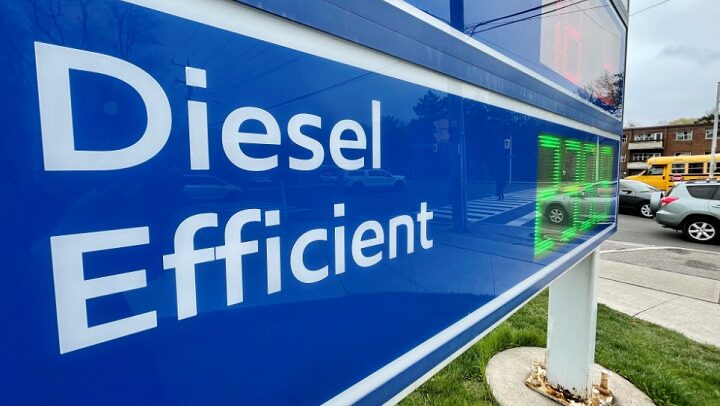
Fuel prices are experiencing significant upward pressure due to ongoing geopolitical tensions, particularly the war between the U.S. and Iran. This conflict has resulted in price fluctuations that are considerably higher than the historical average.
As of the latest reports, diesel prices are approaching the $3.00 per litre mark, a substantial increase from a January peak of 181.6 cents. The cost of diesel fuel has been persistently above $2.00 a litre since it reached 183.2 cents in February, with prices experiencing a sharp rise following the eruption of wartime tensions late in the month.
This week, the Nova Scotia Energy Board announced a decrease in fuel prices to 260.5 cents per litre, marking a welcome change for consumers. However, this current price is still significantly higher than the January low of 156.7 cents per litre.
Gas prices also saw a minor decrease, settling at 192.9 cents per litre as reported on Friday. The ongoing closure of the Strait of Hormuz has had adverse effects on fuel prices, pushing gas near the $2.00 per litre threshold in September. For comparison, the high recorded in January for gas prices in Nova Scotia was 136.8 cents.
Fuel Tax Pause Provides Uneven Savings
In April, the federal government enacted a temporary suspension of the federal excise tax on gasoline, diesel, and jet fuel. This tax pause was initially set to conclude on September 7, but an announcement last month revealed an extension of this measure until 2027.
Starting February 1, half of the tax rate will be reinstated, while the full rate will return on April 1. According to Parliamentary Budget Officer Annette Ryan, this tax pause will yield an average savings of $276 for families over the duration it is in effect.
However, the benefits of the tax pause are skewed toward higher-income families. The Parliamentary Budget Office (PBO) estimates that households in the top income quintile could see an average savings of $468, in stark contrast to the estimated $132 in savings for families in the lowest income quintile.
These disparities in savings could further intensify the ongoing discussions about fuel taxation and how fiscal policies impact various income groups differently, especially in times of fluctuating fuel costs.








