

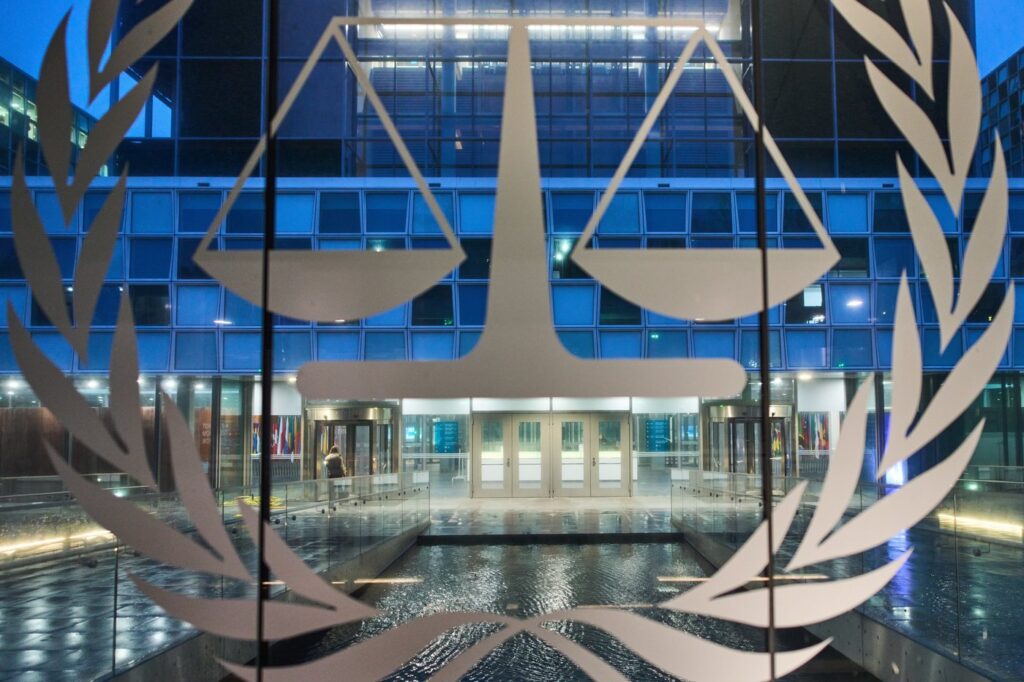
Canada has aligned itself with several nations in a joint statement supporting the International Criminal Court (ICC) in the wake of the United States' decision to impose sanctions on the organization. This announcement comes as part of a broader response to U.S. efforts to undermine the tribunal, which has been investigating alleged war crimes committed by the U.S. and its allies, including Israel.
The statement, co-signed by Denmark, Germany, France, Italy, Japan, the Netherlands, and the United Kingdom, expresses strong opposition to the sanctions and reaffirms the signatories' “continued and unwavering” support for the ICC. The countries involved in the statement collectively emphasize the importance of upholding international law and ensuring accountability for actions that may constitute war crimes or crimes against humanity.
The U.S. sanctions specifically restrict the ICC from accessing U.S.-based financial services, technology, and currency. This move is seen as a strategic effort by the U.S. government to dismantle the tribunal's authority, particularly in light of its investigations related to the actions of American forces and their allies. The implications of these sanctions are significant, as they could severely weaken the court's operations and its ability to conduct thorough investigations.
This announcement of sanctions coincides with the recent awarding of the Nobel Peace Prize to South African jurist Navi Pillay, who has a history of advocating for human rights and justice. Pillay chaired a commission that delivered a controversial report last year, concluding that Israel had committed acts that amount to genocide, specifically targeting Palestinians in Gaza with the intent to cause significant harm to their population. This statement and its timing underscore the tensions surrounding the ICC and the geopolitical stakes involved in its investigations.
The joint statement articulates a commitment to the principles of justice and accountability that the ICC represents. These nations view the court as a critical institution within the international legal framework, essential for addressing wartime atrocities and holding individuals accountable, regardless of their nationality or the power dynamics at play. The ICC's role in the accountability for crimes in conflict zones is seen as vital for maintaining global peace and security.
The U.S. government's position, driven by national interests and concerns over sovereignty, has raised alarms among many nations, particularly those that support the ICC's mission of justice. The sanctions reflect a growing fracture between the U.S. and its traditional allies regarding the balance between national sovereignty and international accountability, specifically in situations involving military actions by powerful nations.
This divisive turn in international relations highlights the challenges the ICC faces as it seeks to assert its authority in a context where political considerations often overshadow judicial ones. The signatories of the joint statement are vocal in their defense of the ICC, signaling a united front against what they perceive as aggressive attempts to undermine an institution dedicated to the pursuit of justice on a global scale. Their united stance seeks to preserve the ICC's integrity amid political pushback from significant global players.
In summary, as the U.S. imposes sanctions on the ICC, Canada alongside several European and Asian nations stands in solidarity with the court, advocating for its independence and importance in upholding international law and justice worldwide. This situation illustrates the ongoing struggle within the international community between power and accountability, with the ICC at the heart of that conflict.








