


Tag4Access, an innovative accessibility initiative founded by the 16-year-old Prisha Popli, has officially launched on both the App Store and Google Play. This community-driven app aims to encourage Canadians to become advocates for accessibility, providing a platform for users to share their experiences and insights regarding accessibility barriers or features in various locations.
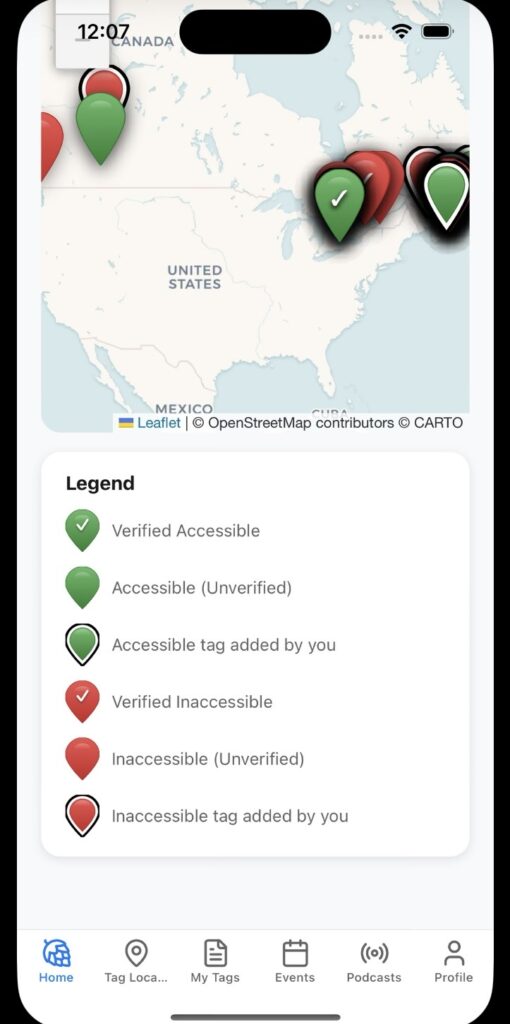
The core feature of Tag4Access is an interactive map that enables users to create tags that highlight specific accessibility aspects of a given area. Once a tag is submitted, it undergoes review by volunteer accessibility leaders who verify the information and identify any significant gaps in accessibility. This collaborative review process is intended to foster community-driven solutions in conjunction with local accessibility groups, ensuring that all voices are heard in the quest for enhanced accessibility.
Prisha Popli's inspiration for developing Tag4Access stemmed from a personal experience with her grandfather, who uses a walking stick and occasionally relies on a wheelchair. During a visit to Nova Scotia, Popli faced challenges in determining whether the locations they intended to visit had accessible features, such as accessible washrooms. Despite consulting Google and various reviews, they struggled to find clear answers, which highlighted the significant gap in accessible information.
Motivated by this experience, Popli engaged with community members and advocacy organizations to gather feedback on accessibility concerns. By reaching out to local Members of the Legislative Assembly (MLAs) and a former member of the Nova Scotia Accessibility Advisory Board, she sought to refine her idea and gain insights into potential improvements for the app. Furthermore, she conducted a survey that garnered 1,200 responses from locals documenting the types of accessibility barriers they encountered, ultimately confirming the need for a platform like Tag4Access.
With the app now fully operational, Popli is optimistic about encouraging widespread user participation to enhance the availability of accessibility information throughout Canada. She envisions Tag4Access as a transformative tool in the accessibility landscape, aiming to empower everyday citizens to act as advocates for accessibility within their communities.
Looking forward, Popli aspires to ensure that Tag4Access not only facilitates increased accessibility information but also possibly opens the door to funding applications directed at enhancing accessibility improvements in various public spaces. “In the long term, maybe a year from now, I want to make sure that everyday citizens are serving kind of as accessibility advocates to make sure that our cities are truly open for everyone,” she articulated.

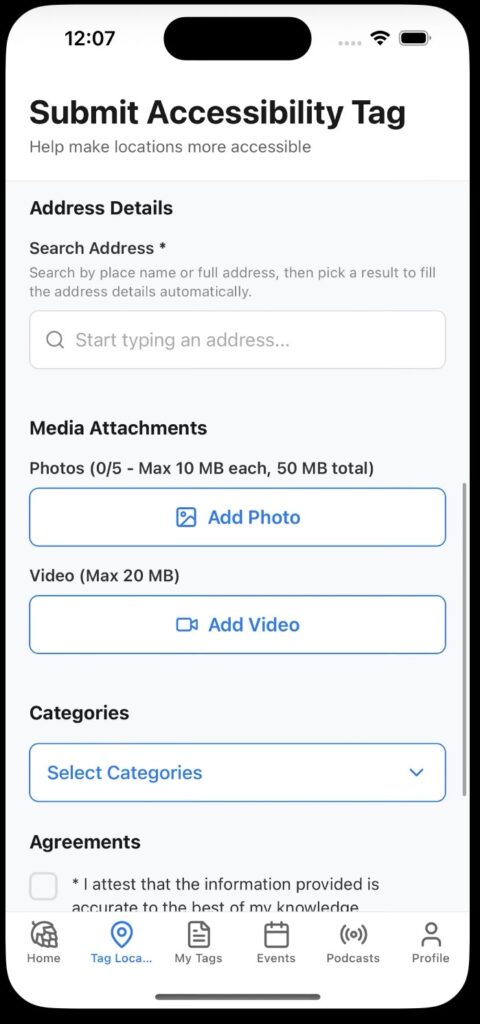
Anyone interested in volunteering with Tag4Access can contact the initiative at tagforaccess@gmail.com. The app is readily available for download on both Google Play and the App Store.








