

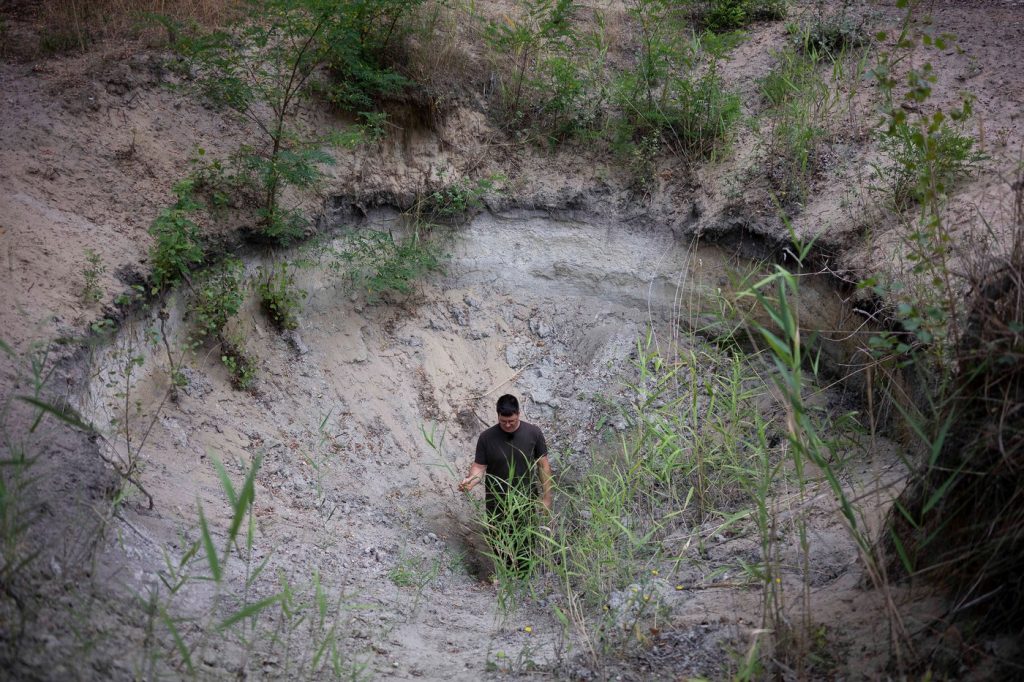
KISKUNMAJSA, Hungary (AP) — In a striking effort to combat escalating drought conditions, Oszkár Nagyapáti has taken matters into his own hands by digging into the sandy soil of his land on the Great Hungarian Plain. Observing the alarming retreat of groundwater, he expressed his distress, stating, “It’s much worse, and it’s getting worse year after year.” The region, once an agricultural hub, is now plagued by parched fields and growing sand dunes, resembling the Sahara Desert more than Central Europe.
The Homokhátság area, described by some studies as semiarid, faces significant challenges such as minimal rainfall, depleted wells, and a declining water table. A 2017 study published in European Countryside identified “the combined effect of climatic changes, improper land use, and inappropriate environmental management” as critical factors driving the aridification of this unique region in Europe.
Historically fertile lands, once nourished by the flooding of the Danube and Tisza Rivers, have become increasingly unsuitable for agriculture and wildlife due to a mix of climate change-induced droughts and inadequate water retention practices. In response to this urgent crisis, Nagyapáti, along with a cohort of volunteers dubbed the “water guardians,” has initiated a project aimed at restoring water to the landscape using Hungary’s abundant thermal water.
Inspired by the need to revive their parched environment, Nagyapáti began negotiations with local authorities and a thermal spa to redirect the spa's overflow water, which typically flows into a canal, to their lands. This thermal water, drawn from deep underground, is envisioned to flood a 2.5-hectare (6-acre) low-lying field, mimicking the natural flooding cycle that has been disrupted by river channelization.
The water guardians aim to create additional water surfaces that would not only raise the groundwater level but also foster a microclimate through surface evaporation, enhancing humidity, reducing temperatures, and positively impacting the local vegetation. Meteorologist Tamás Tóth emphasized that water retention is crucial for climate resilience amid increasingly erratic weather patterns driven by climate change.
After suffering through another severe dry summer in 2023, the water guardians successfully blocked various sluices along a canal, allowing repurposed water from the thermal spa to flow into the low-lying field. By late 2023, Nagyapáti observed that the newly formed shallow marsh, though modest in appearance, brought “immense happiness” to the community, indicating early but promising signs of ecological recovery.
This artificial water body is expected to make a significant impact within a 4-kilometer (2.5-mile) radius, not only aiding local vegetation but also enhancing the water balance in the soil as hopes rise for the groundwater levels to improve. With the looming threat of desertification affecting the broader Great Hungarian Plain, the Hungarian government has responded by establishing a “drought task force” to tackle these pressing environmental challenges.
As a testament to their successful initial interventions, the water guardians reported improvements in groundwater levels and biodiversity near the flood site. With more than 30 volunteers now involved, there are plans to expand this innovative project to encompass additional fields, setting a potential example for similar initiatives across the region. Nagyapáti underscored the importance of local water retention efforts, advocating for a greater collective push to conserve this essential resource.








