

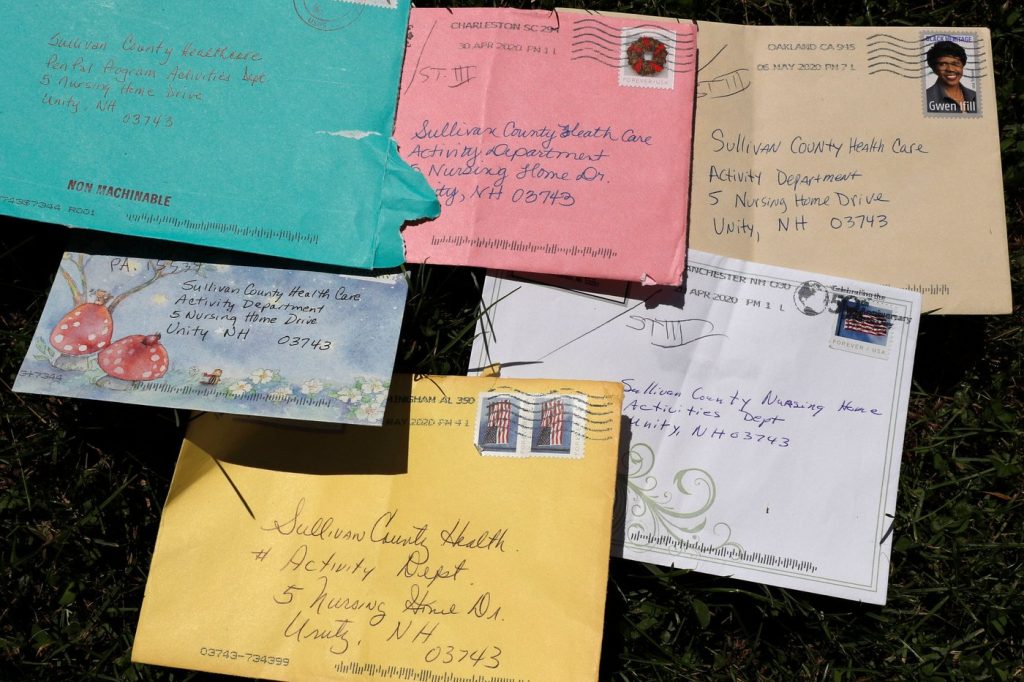
In a world increasingly dominated by technology and the pressure to optimize productivity, a growing number of individuals are embracing slower, more analog forms of communication. This shift includes activities like letter writing, typewriter clubs, and even communities on platforms like TikTok that celebrate skills such as calligraphy and crafting wax seals. These retro writing instruments and practices are more than mere nostalgia; they offer enthusiasts a chance to reduce screen time, foster intentionality in their lives, and cultivate meaningful interpersonal connections.
Melissa Bobbitt, a 42-year-old letter-writer from Claremont, California, shares her perspective: “I feel as though my pen pals are my friends. I don't think of them much differently than if I were chatting with a friend on the phone or in a coffee shop.” She elaborates that writing to pen pals provides a therapeutic medium for reflection and connection, emphasizing the similarity to a heartfelt conversation.
The tactile experience of writing—using ink and paper—continues to bring people together globally. The process of crafting letters not only results in aesthetically pleasing correspondence but also creates a contemplative space for reflection. For instance, Stephania Kontopanos, a 21-year-old student in Chicago, acknowledges the challenge of disconnecting from devices, particularly when surrounded by peers engrossed in social media. Nevertheless, she finds solace in sending postcards and engaging in activities like scrapbooking and junk journaling, which encourage personal interactions, even during trips to the post office with her mother.
KiKi Klassen, a 28-year-old from Ontario, Canada, shares a similar connection with the past through letter writing. For her, it is a nostalgic endeavor that brings her closer to her late mother, a member of the Canadian Union of Postal Workers. In October 2024, she launched the Lucky Duck Mail Club, a subscription service that sends monthly art pieces and encouraging messages to over 1,000 members in 36 countries. Klassen notes that writing allows for vulnerability and reflection, creating a “safe space” for emotional expression.
Bobbitt adds to the sentiment by expressing the joy of receiving personal letters amid the usual bills and advertisements in her mailbox. Her journey began in childhood when she joined a pen pal club and later expanded her network through Postcrossing, an initiative that connects individuals worldwide by exchanging postcards. Each postcard often evolves into deeper letters as friendships develop.
Similarly, DJ Robert Owoyele from Dallas created CAYA, a monthly analog gathering that offers activities like letter writing, coloring, and vinyl listening sessions, recognizing the importance of in-person connections in today’s digital age. Owoyele believes that engaging with physical forms of communication enhances the authenticity of human interaction.
Starting with letter writing and related hobbies might seem challenging, given the modern pace of life. Kontopanos emphasizes the need to prioritize time for these activities, noting that as she matured, she recognized the time lost on her phone. Exploring nostalgic hobbies can reveal hidden passions that lead to more fulfilling time management.
Furthermore, there are accessible means to engage in these vintage pursuits without significant financial investments. Participating in community gatherings, like typewriter clubs or local fairs such as the Los Angeles Printers Fair, can facilitate connections with like-minded enthusiasts. Social media also serves as a resource for discovering communities centered around vintage writing and crafting.
Klassen observes that recent trends suggest a resurgence in the interest in analog practices, foreseeing a increasing embrace of tactile pleasures in the coming years. “The girls are going analog in 2026,” she remarks, hinting at a broader cultural shift towards vintage forms of communication.








