

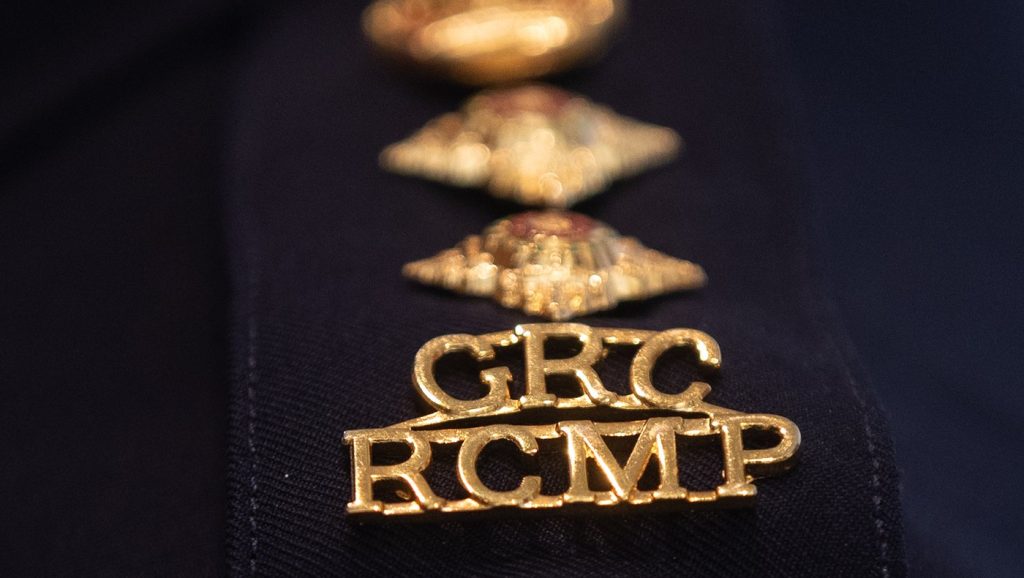
A police oversight agency is currently investigating a tragic incident involving the Royal Canadian Mounted Police (RCMP) after a man was shot and killed on Neqotkuk, also known as Tobique First Nation, located in northwestern New Brunswick. The Serious Incident Response Team (SiRT) was notified about the police-involved shooting that occurred on Sunday, prompting a swift inquiry into the events surrounding the case.
Earlier that day, the RCMP had issued an advisory via social media concerning a police operation on the First Nation, urging community members to avoid the area. However, at the time of the report, further information and an update from the police remained unavailable.
In a statement released late on Sunday, Chief Ross Perley of Neqotkuk First Nation, along with the council, confirmed the identity of the deceased man as Bronson Paul. The statement expressed the community's condolences to his family and friends during this difficult time. As part of the grieving process, a sacred fire has been lit at a community hall on the First Nation, demonstrating the cultural significance of honoring the deceased.
The Neqotkuk leadership highlighted their efforts to understand the circumstances that led to the shooting. They specifically raised concerns regarding the absence of a request for assistance from the local police to rely on tribal security, which has been a customary protocol in previous situations that require de-escalation. This absence has left the community questioning why lethal force was employed in this scenario.
In their statement, the council expressed shared sentiments of anger, confusion, fear, and shock among community members regarding Bronson Paul’s death. They emphasized that he joins a tragic list of Indigenous individuals who have lost their lives at the hands of police, including Rodney Levi, Chantel Moore, and Steven (Iggy) Dedam. This context underscores a disturbing pattern that the community feels necessitates urgent attention and action.
In light of the incident, the RCMP detachment situated in Neqotkuk will be closed temporarily until assurances are provided regarding the safety of community members. This decision reflects the local leadership’s commitment to ensuring that the community is protected in the wake of this distressing situation.
The escalation of tensions and emotions within the First Nation over this incident reveals a broader context of concern related to police interactions with Indigenous communities. The community continues to seek clarity and justice, urging accountability and transparency from law enforcement agencies.
This investigation marks yet another chapter in the ongoing discourse surrounding police conduct, particularly in relation to Indigenous rights and public safety. As the community waits for updates and further developments from the SiRT investigation, the urgent call for improved protocols and collaborative approaches between police and Indigenous communities remains critical.








