

MONTREAL Every Saturday and Sunday at 5 p.m., Charlie Whitley, the owner of a vintage clothing store in Montreal's Mile-End neighbourhood, experiences frustration as he is compelled to close his shop due to existing laws. He wishes to operate later and finds the rules to be “ridiculous,” expressing that it “pains” him to close the door at that time.
However, a forthcoming change may provide a remedy, as a one-year pilot project is set to commence on March 11, allowing retail businesses to extend their operating hours on weekends up to 9 p.m., the same closing time permitted on weekdays. This announcement has elicited mixed reactions from retail owners across the province, as some welcome the flexibility while others question the practicality of longer hours in light of the increasing prevalence of online shopping.
Quebec currently stands as the sole Canadian province that imposes broad regulations on retail opening hours throughout the year. Samuel Poulin, the minister for small and medium-sized businesses in Quebec, mentioned that most retail shops, aside from pharmacies and grocery stores, are mandated to close by 5 p.m. on Saturdays and Sundays. These restrictions were initially imposed to safeguard employees’ work-life balance and assist smaller businesses in competing against larger chains, which often bear the burden of higher operational costs.
While Whitley is optimistic about the potential to keep his store open until 9 p.m. on weekends, not all retail owners share his enthusiasm. Suzanne Foucault, who owns Uchuu, a clothing store on Laurier Avenue West, suggests that extending hours could dilute sales without necessarily driving additional revenue. She emphasizes that many customers prefer online shopping, especially now that more individuals are working from home, which diminishes foot traffic to physical stores.
Myriam Élie, the owner of Myel, a jewelry store in the vicinity, echoed Foucault’s sentiments, stating that they do not plan to adjust their hours, noting that a significant portion of her sales (20 to 30 percent) already come from online transactions. Meanwhile, Jennifer Glasgow of Jennifer Glasgow Boutique on St-Laurent Boulevard expressed that she may consider seasonal adjustments to her hours in response to longer day lengths and warmer temperatures, as cold weather typically discourages late-day shopping.
The pilot project follows trials conducted last year in three Quebec cities—Gatineau, Laval, and St-Georges—where businesses had the option to remain open until 8 p.m. The current regulations also include certain exceptions, allowing designated zones in downtown Montreal to establish their own operating hours, with two central areas permitted to stay open until 8 p.m. on weekends.
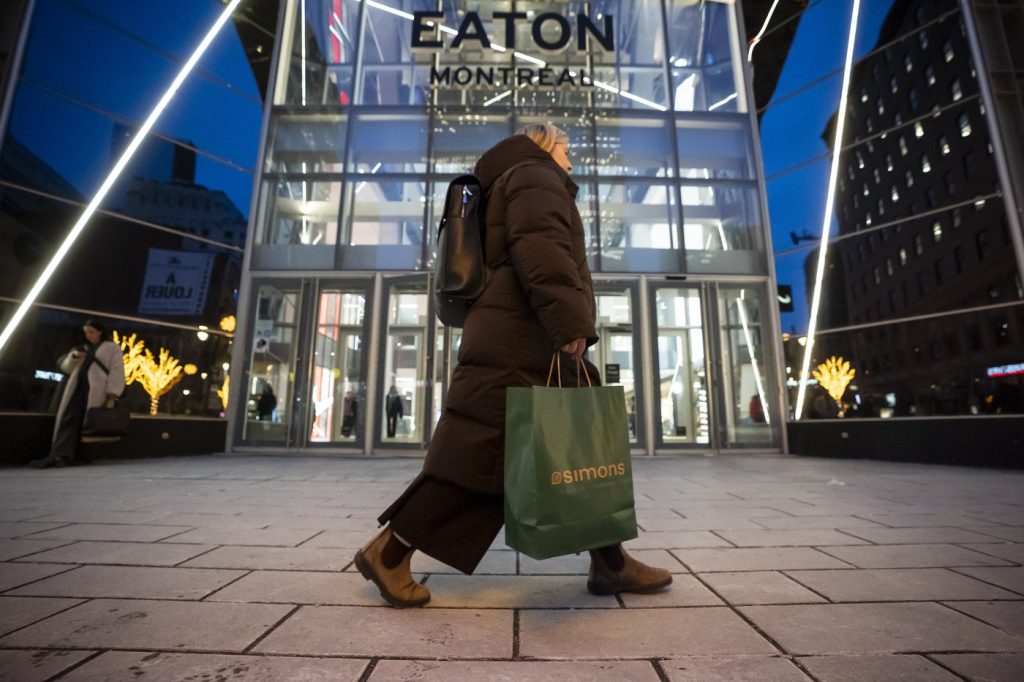
Shopping centers in Montreal are adopting varied approaches toward the upcoming pilot project. Andrew Lutfy, who heads Royalmount, a new high-end shopping and entertainment complex, supports the additional flexibility, arguing that government restrictions should not intrude on operational autonomy. Effective March 11, Royalmount will operate from 10 a.m. to 7 p.m. on Sundays through Tuesdays, and from 10 a.m. to 9 p.m. from Wednesday to Saturday, responding to tenant and customer demands for extended hours.
Conversely, the marketing team for Place Ville Marie, a complex located at the junction of McGill College Avenue and Cathcart Street, indicated no plans to extend their hours under the pilot project. Roger Gagné, an economist and director of the Centre for Studies on Productivity and Prosperity, stated that businesses will adapt their hours based on customer needs, foreseeing a lack of uniformity in operating hours across the retail sector.
Despite the potential for extended hours, Gagné does not anticipate a significant transformation in consumer behavior, suggesting that while it may enhance convenience, it will not necessarily lead to increased consumption. Renaud Brossard, the vice-president of communications at the Montreal Economic Institute, criticized the pilot as insufficient and pointed out that many other provinces do not regulate business hours outside of specific holidays, allowing greater operational flexibility.
Julia Posca, a researcher at IRIS for socioeconomic research, acknowledged the potential for additional pressure on the already tight labor market, referencing a substantial number of job vacancies (11,300) in Quebec retail as of mid-December 2025. Foucault highlighted ongoing challenges in hiring, struggling to find personnel to fill positions. In contrast, Lutfy asserted that extended hours could present new opportunities for part-time work, particularly for younger individuals seeking flexible employment.








