

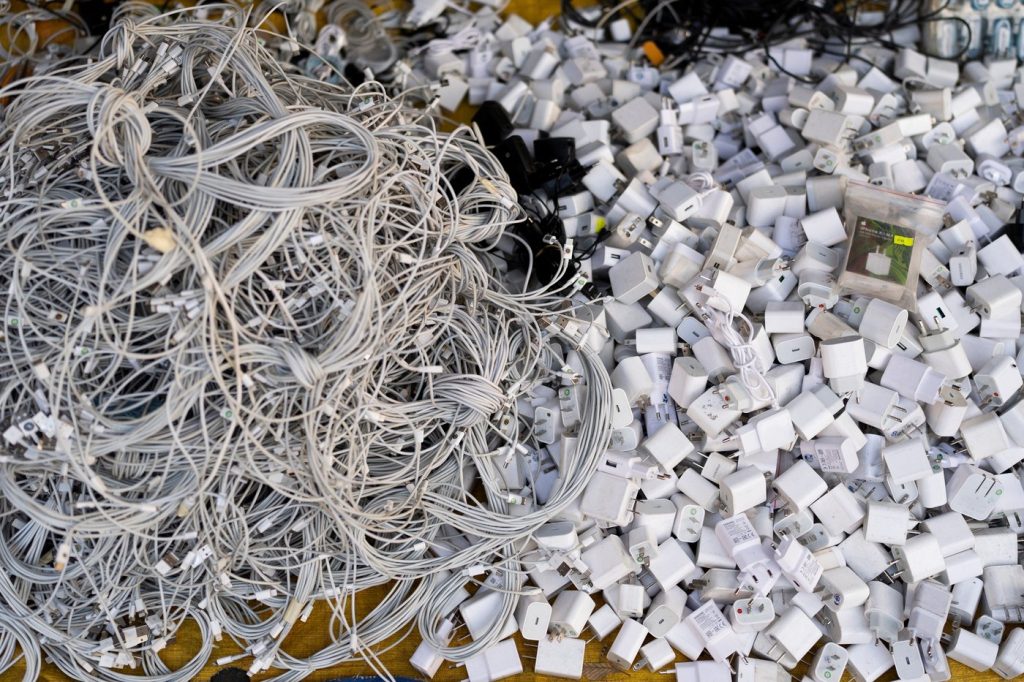
KUALA LUMPUR, Malaysia - Malaysia has implemented an immediate and comprehensive ban on the importation of electronic waste (e-waste), affirming the government's commitment to ensure that the country does not serve as a "dumping ground" for global waste. This decisive move follows increasing concerns about the environmental and health hazards posed by imported electronic waste, which has been a growing issue in the nation.
The Malaysian Anti-Corruption Commission (MACC) announced the ban in a statement released late Wednesday, declaring that all types of e-waste would now be classified under an "absolute prohibition" category. This new categorization eliminates the prior discretionary powers granted to the Department of Environment, which allowed for exemptions regarding certain e-waste imports.
Azam Baki, the chief of the MACC, emphasized in the statement, "E-waste is no longer permitted," pledging "firm and integrated enforcement action" to effectively combat illegal imports. The region has been overwhelmed with substantial quantities of imported e-waste in the past, much of which is believed to be illegal and poses severe risks to human health and the environment. In recent years, Malaysian authorities have seized numerous containers of suspected e-waste at various ports and have issued return notices to exporters.
Environmental advocates have long called for stricter measures to tackle the issue of e-waste. This type of waste encompasses discarded electronic items, including computers, smartphones, and appliances. It often contains harmful substances and heavy metals such as lead, mercury, and cadmium, which can contaminate soil and water resources if not disposed of correctly or dumped irresponsibly.
This ban coincides with an ongoing corruption investigation related to e-waste management in Malaysia. Recently, the MACC detained the director-general of the environment department, along with his deputy, over allegations of misuse of power and corruption connected with the oversight of e-waste. The investigation has also resulted in the freezing of bank accounts and the seizure of cash associated with the case.
In support of these measures, the Home Ministry, via a social media post on Wednesday, reiterated the government's promise to enhance efforts to combat the smuggling of e-waste into the country. The ministry stated, "Malaysia is not a dumping ground for the world’s waste. E-waste is not just garbage but a serious threat to the environment, people’s health, and national security."
This ban on e-waste importation marks a significant turning point in Malaysia's environmental policy as it seeks to address the challenges posed by electronic waste while reinforcing national integrity against corruption linked to environmental management. The decision signifies a broader commitment to protect both local communities and natural resources from the adverse effects of hazardous waste.








