

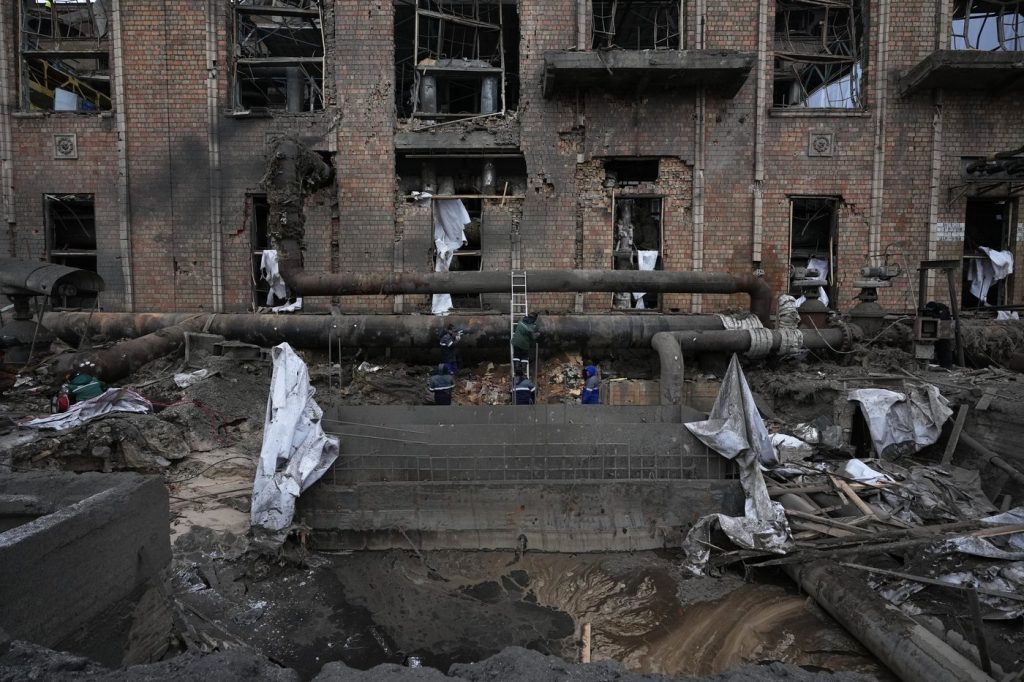
Negotiators from Moscow and Kyiv convened for a second day of U.S.-brokered talks in Abu Dhabi on Thursday, aiming to find an end to the ongoing war between the two nations. This round of discussions comes amid escalating winter attacks from Russia targeting Ukraine's power grid and following a significant increase in civilian casualties from the fighting, as reported by various advocacy groups.
Rustem Umerov, chief of Ukraine's National Security and Defense Council, stated, “We are working in the same formats as yesterday: trilateral consultations, group work, and further synchronization of positions.” This indicates a continuation of negotiations focused on aligning their strategies and objectives.
Attending the negotiations alongside the Ukrainian and Russian delegations were U.S. special envoy Steve Witkoff and Jared Kushner, the son-in-law of former U.S. President Donald Trump. Their participation highlights the Trump administration's ongoing efforts to steer both nations toward a peace settlement. Additionally, General Alexus Grynkewich, NATO's Supreme Allied Commander in Europe, was present during the talks, emphasizing NATO's involvement in the peace process.
Ukrainian President Volodymyr Zelenskyy has called upon allied countries to urge Moscow to bring an end to its full-scale invasion, which commenced nearly four years ago on February 24, 2022. Zelenskyy articulated the need for security guarantees to prevent any potential postwar attacks from Russia. He emphasized on social media late Wednesday that Ukrainians must perceive genuine advancement toward peace rather than a scenario where the Russians exploit the situation to their advantage and continue their strikes.
The ongoing fighting persists even as negotiations take place. Russia has intensified its attacks on Ukraine’s electricity network, aiming to undermine civilian morale and weaken resistance. Concurrently, a prolonged war of attrition continues along the nearly 1,000-kilometer (600-mile) front line, which snakes through the eastern and southern regions of Ukraine. This strategy appears aimed at disheartening the Ukrainian populace by disrupting essential services.
According to a recent report published by Human Rights Watch, there was a 31% rise in Ukrainian civilian casualties last year compared to 2024. The United Nations Human Rights Monitoring Mission in Ukraine reported that nearly 15,000 Ukrainian civilians have been killed, with over 40,000 injured since the onset of the war, which has wreaked havoc on the nation and its citizens.
In summary, the ongoing talks in Abu Dhabi represent an essential diplomatic maneuver in the quest for a peaceful resolution to the conflict, while hostilities continue to create severe challenges for Ukrainians. The escalation in attacks by Russia highlights the urgent need for effective diplomatic efforts and international support to ensure the safety and stability of the region.








