

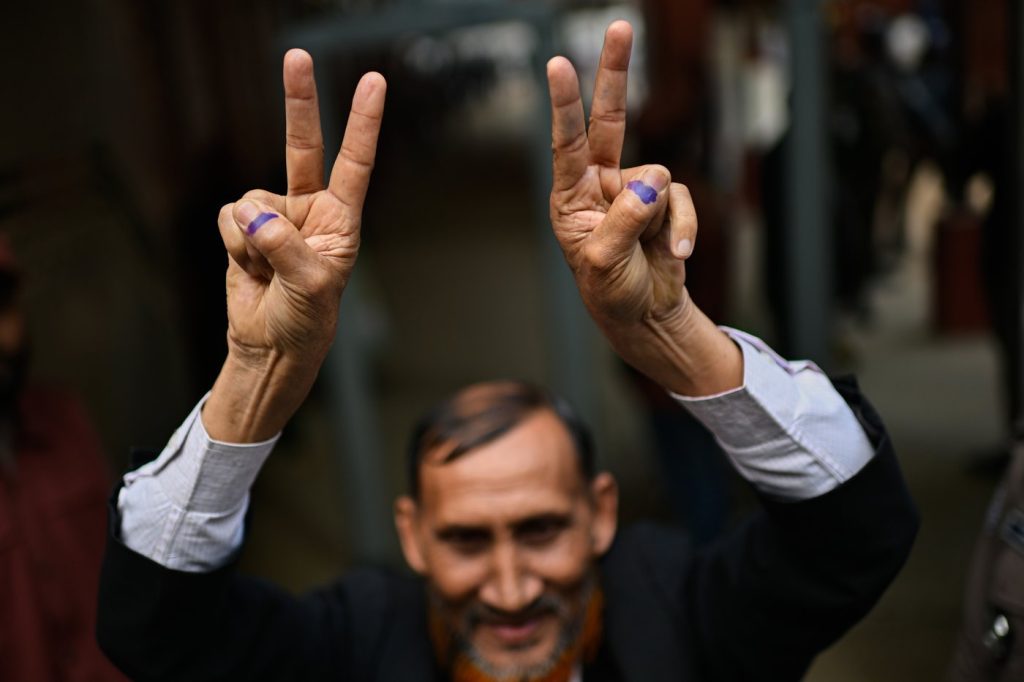
DHAKA, Bangladesh – Bangladesh is embarking on a parliamentary election that could significantly reshape the country's political landscape following years of instability. This election marks the first since former Prime Minister Sheikh Hasina was ousted amidst violent protests in 2024, making a clear outcome essential for stable governance.
Eligible Voters and Candidates
Approximately 127 million people, out of a population of around 170 million, are eligible to participate in the election, with about 5 million first-time voters expected to make their voices heard. The electoral base comprises approximately 64.8 million male voters, 62.9 million female voters, and 1,234 transgender voters, as per official statistics. A total of 2,028 candidates are vying for parliamentary seats across the nation.
Polling Station Logistics
The election process is being managed across 42,779 polling stations, with the deployment of around 800,000 staff to ensure smooth operations. The interim government, led by Nobel Peace Prize laureate Muhammad Yunus, has committed to conducting elections that are free, fair, and peaceful. To bolster security, approximately 900,000 police and security personnel have been assigned to maintain order during the polling process.
International Observation
To further guarantee the integrity of the election, around 500 foreign observers and journalists will be present, including representatives from the European Union and the Commonwealth.
Legislative Structure
Bangladesh's national legislature consists of 350 lawmakers, with 300 elected directly from single-member constituencies and an additional 50 seats reserved for women. Each parliamentary term lasts for five years. Voting is taking place in 299 constituencies, while polling in one seat has been postponed due to the death of a candidate.
Political Contestation
The election is expected to be primarily a two-way contest between the Bangladesh Nationalist Party (BNP) and an 11-party alliance led by Jamaat-e-Islami, the largest Islamist party in the country. The BNP is represented by Tarique Rahman, the son of former Prime Minister Khaleda Zia, who aims to lead the next government. The opposing coalition, consisting mainly of conservative groups, includes a newly formed party by student leaders called the National Citizen Party (NCP).
Controversial Elections
This election represents the 13th since Bangladesh gained independence in 1971. The previous three elections, held in 2014, 2018, and 2024, were marred by controversy, often perceived as rigged to favor Hasina or boycotted by major political opponents. The country employs a first-past-the-post electoral system, where a candidate must secure the most votes to win. To form a government, a party or coalition needs to acquire at least 151 seats.
As the election unfolds, all eyes will be on Bangladesh to see how this pivotal moment impacts the nation's democratic integrity and governance structure.








