

HONG KONG (AP) – On Thursday, China took significant steps to control a severe price war among automakers, which has led to considerable financial losses within the industry. This intervention follows a notable 19.5% decline in passenger car sales in January compared to the previous year—the most rapid drop observed in nearly two years.
The State Administration for Market Regulation announced new guidelines directed at manufacturers, dealers, and parts suppliers, aiming to prevent an unsustainable price war. These directives prohibit automakers from setting prices below production costs to eliminate competitors or monopolize the market. Violating these rules may expose companies to substantial legal risks, as emphasized by the regulator.
Furthermore, the regulations target deceptive pricing tactics and collusion between parts suppliers and auto manufacturers, in an effort to foster fair competition in the industry. The China Association of Automobile Manufacturers (CAAM) reported that 1.4 million passenger cars were sold in January, a stark drop from 2.2 million units sold in December, illustrating a clear weakening in market demand.
This declining demand appears to stem from cash-strapped consumers' hesitance to make significant purchases. Additionally, the recent reduction in tax exemptions for electric vehicle (EV) purchases and the uncertainty surrounding the continuation of trade-in subsidies for EVs have further hindered sales. Some regions have already phased out these subsidies, which has left potential buyers apprehensive.
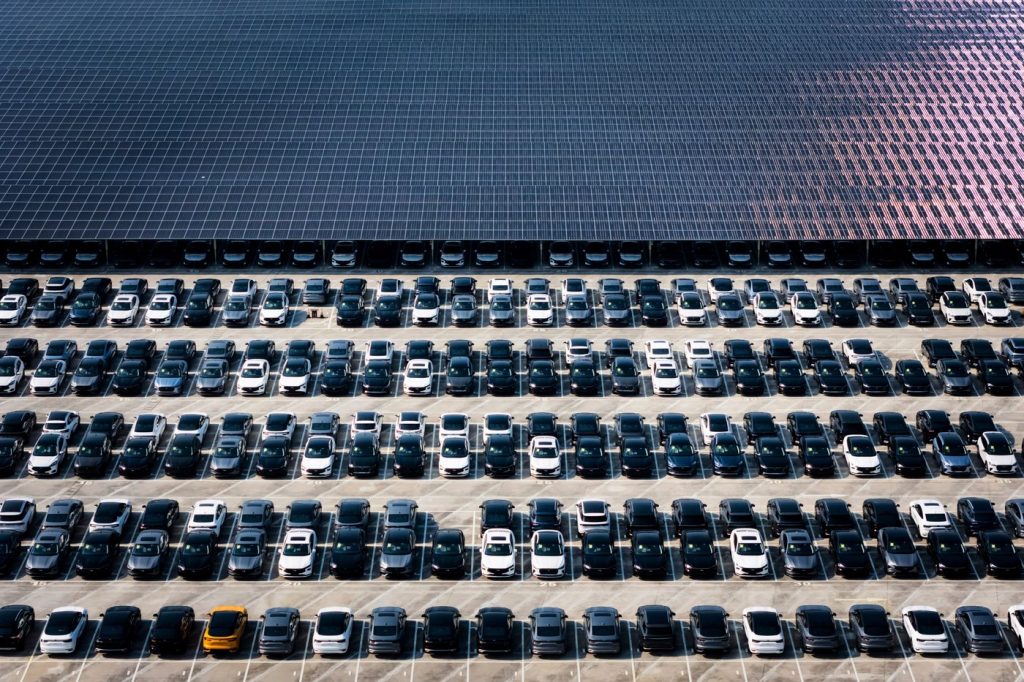
Over the past three years, the aggressive price competition among automakers is estimated to have caused losses amounting to 471 billion yuan (approximately $68 billion) in output value across the automotive industry. Analysts anticipate that domestic vehicle demand may continue to decline this year, with S&P Global Ratings projecting that sales of light vehicles, encompassing passenger cars, could decrease by up to 3% by 2026.
Despite these challenges, Chinese automakers are gaining a stronger foothold in global markets. Exports of passenger cars from China soared by 49% year-on-year to reach 589,000 units in January alone. Claire Yuan, director of corporate ratings for China autos at S&P Global Ratings, remains optimistic, predicting sustained momentum for the Chinese auto industry in the coming year.
Automakers like BYD, which has recently surpassed Tesla as the world’s leading electric vehicle manufacturer, are setting their sights on markets in Europe and Latin America, facing fierce local competition due to an oversupply issue at home. Analysts at Citi expect China's car exports to rise by 19% this year, primarily driven by the burgeoning markets for electric vehicles and plug-in hybrids.
In a positive move for Chinese manufacturers, Canada has agreed to reduce its steep 100% tariff on imports of China-made electric vehicles, an action welcomed by Chinese carmakers. Moreover, China recently reached an agreement with the European Union that may facilitate a larger export of its EVs to the European market.
BYD, China's largest carmaker, has ambitious plans, targeting approximately 1.3 million overseas car sales by 2026, an increase from 1.05 million in the previous year. Other significant Chinese automotive companies are also aiming high, establishing ambitious sales targets with a strong focus on exports.








