

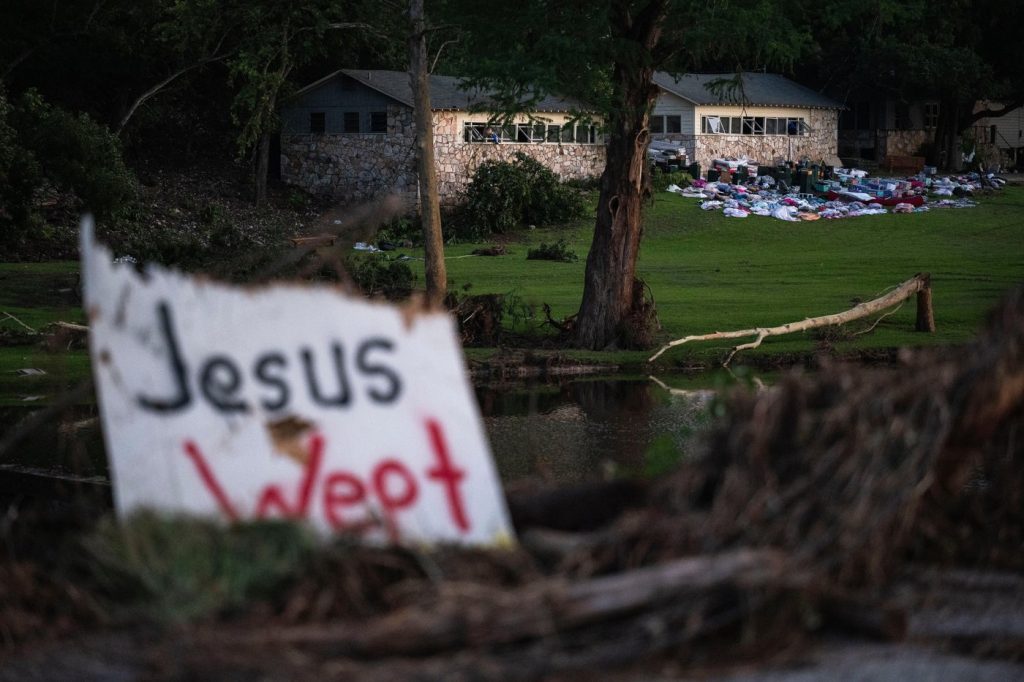
MONTGOMERY, Ala. (AP) – Patrick Marsh's heartache deepened when he returned to the Bubble Inn cabin at Camp Mystic, where his 8-year-old daughter, Sarah, spent her last nights. Sitting in the corner that once housed her bunk, he gazed out the window and was struck by the painful realization that safety was only a short walk away—just 50 yards to high ground. This led him to firmly believe that the tragedy that struck on July 4, 2025, when floodwaters engulfed the camp, was "100% preventable."
Sarah Marsh, along with 26 other campers and counselors, lost their lives as a result of the flooding at the Texas camp. In the aftermath, grieving parents, including the Marshes, mobilized to push Texas lawmakers to enact new safety measures for camps. These measures included mandating detailed emergency plans and the installation of emergency warning systems. The Marsh family is now advocating for similar changes in Alabama and other states, with legislators in Missouri also introducing related bills.
In response to this devastating incident, the Alabama bill, titled the Sarah Marsh Heaven's 27 Camp Safety Act, aims to improve safety standards for camps across the state. Key requirements of the proposed legislation include obtaining an emergency preparedness license from the Alabama Emergency Management Agency and creating comprehensive emergency and evacuation plans. It would also prohibit the construction of cabins within floodplains, mandate the presence of weather radios, and require a notification system that does not depend on cellular or internet service—crucial during natural disasters.
"The flood itself was an act of God, and there’s nothing you can do to stop the flood. But how you prepare for the possibility of flooding, how you handle it in the moment, those things were handled so poorly," Patrick Marsh noted. He is convinced that had the necessary precautions been taken, Sarah would be alive today, sitting in her classroom.
As the Marsh family delved deeper into the regulation of camps, they were astonished by the lack of oversight compared to other establishments responsible for children's safety, such as schools. "It was a big surprise, both in Texas and here, to see how little is required and is just self-regulated," said Dr. Jill Marsh, Sarah's mother.
Additionally, the Marshes stressed that camp safety laws should reflect the specific risks associated with different regions, whether it be floods, tornadoes, wildfires, or hurricanes, rather than employing a generalized approach.
Sarah was a vibrant child with an exuberant personality, described by her parents as someone who filled every day with excitement and kindness. She had a knack for bringing people together, encouraging those who felt left out or sad. With a love for sushi, particularly California rolls, and an enthusiasm for making memories, Sarah was looking forward to her summer camp experience.
The joyful images from her time at camp display a girl full of life, often showcasing her gymnastics skills with pride. During a recent House State Government Committee meeting, Jill Marsh expressed her desire for her daughter's legacy to center on her vibrant life, rather than her tragic death. She believes the changes brought about by the legislation can ensure that children can safely experience the joys of childhood and camp life.
The bill, which has garnered the support of Alabama Governor Kay Ivey, has already passed the committee stage and is moving towards a vote in the House of Representatives. Rep. David Faulkner, the bill's sponsor, commented that the Camp Mystic tragedy highlighted significant gaps in safety regulations not just in Texas, but across the United States.
While the Marsh family emphasizes that their goal is not to harm camps or create undue burdens for responsible operations, they are advocating for necessary changes. "We are not anti-camp," Patrick Marsh stressed. "We want kids to go to camp and have these experiences. We just want them to be safe." They believe that many camps already adhere to the proposed standards, which include detailed emergency planning and proper staff training, and that the legislation can help ensure full compliance across the board.
Although nothing can bring their daughter back, the Marsh family remains hopeful that stronger oversight can prevent other families from experiencing similar tragedies.








