

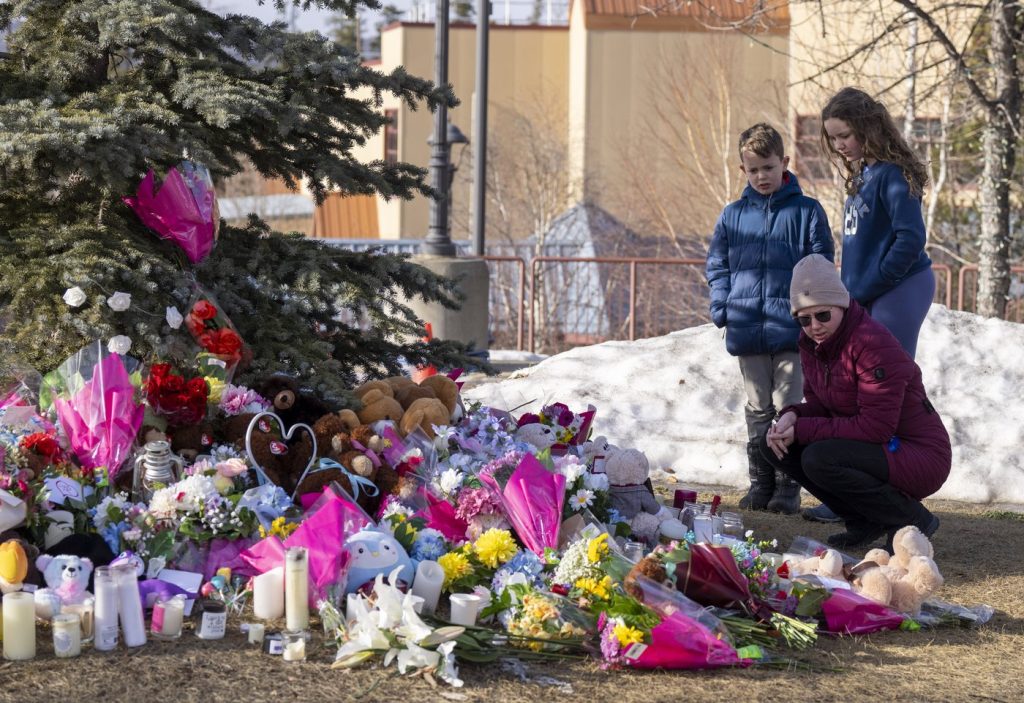
TORONTO – Following the mass shooting that took place in Tumbler Ridge, B.C., on February 13, 2026, parents are urged to have proactive conversations with their children about the tragedy. According to psychologists, the event resonates deeply, especially as it occurred at a school, making it more relatable and impactful for many families across Canada.
Dr. Jo Ann Unger, a clinical psychologist based in Winnipeg, emphasizes that witnessing harm to other children can evoke significant feelings of empathy, sadness, and grief within kids. Additionally, those who might already be prone to anxiety could experience an increased fear for their safety after such incidents.
To help children and teens cope with the aftermath of the shooting, psychologists have shared a series of recommendations. The first step involves parents confronting their own emotions regarding the tragedy. Dr. Tina Montreuil, an associate professor of educational and counseling psychology at McGill University, stresses the importance of processing these events as parents to prevent passing on feelings of fear and insecurity to children.
Before discussing the event with their kids, parents should process their feelings with other adults, ensuring they can communicate in a calm and rational manner. Unger advises that it’s crucial for parents to validate their children’s feelings by engaging in a "neutral check-in" to assess what the kids know and feel about the shooting, which also allows for corrections of any misinformation.
For children expressing fear about returning to school, it’s necessary to acknowledge their anxieties and gently provide factual information about safety measures in place. Unger points out the importance of honesty; parents should refrain from making unrealistic assurances but can offer perspectives on the rarity of such incidents in Canada, reinforcing that schools are generally safe environments.
Psychologist Dr. Margaret McKinnon from McMaster University echoes this sentiment, advising parents to use clear and simple language during discussions. Parents should be attentive for signs of mental stress in their children, which may not always manifest verbally, particularly in younger children. Behavioral changes, such as disrupted play, increased irritability, and withdrawal from previously enjoyed activities, may indicate emotional distress.
If parents observe these warning signs, they should engage their children more assertively, expressing their observations and willingness to listen and help. Should feelings of sadness or fear persist for weeks without improvement, seeking support from school systems or mental health professionals is recommended.
Maintaining daily routines is highlighted as a stabilizing factor. Unger recommends keeping regular schedules for meals, school, and activities to help mitigate stress and uncertainty arising from the tragedy.
Additionally, psychologists suggest that taking constructive actions can alleviate feelings of helplessness stemming from traumatic events. Engaging in acts of kindness, whether directed at the Tumbler Ridge community or closer to home, can have positive effects on mental health. Children might consider writing supportive cards or letters or organizing fundraising events to support affected communities or local organizations that aid families in grief.
Montreuil adds that encouraging youth to find ways to take action can be empowering and can help address feelings of insecurity related to the tragedy. This could involve hosting town hall meetings at schools to facilitate discussions about emotions or creating art projects to commemorate those impacted by the Tumbler Ridge shooting, which can be shared on social media platforms.
This comprehensive approach, incorporating emotional processing, open communication, and constructive action, provides parents and children with tools to navigate their feelings surrounding this tragic event effectively.








