

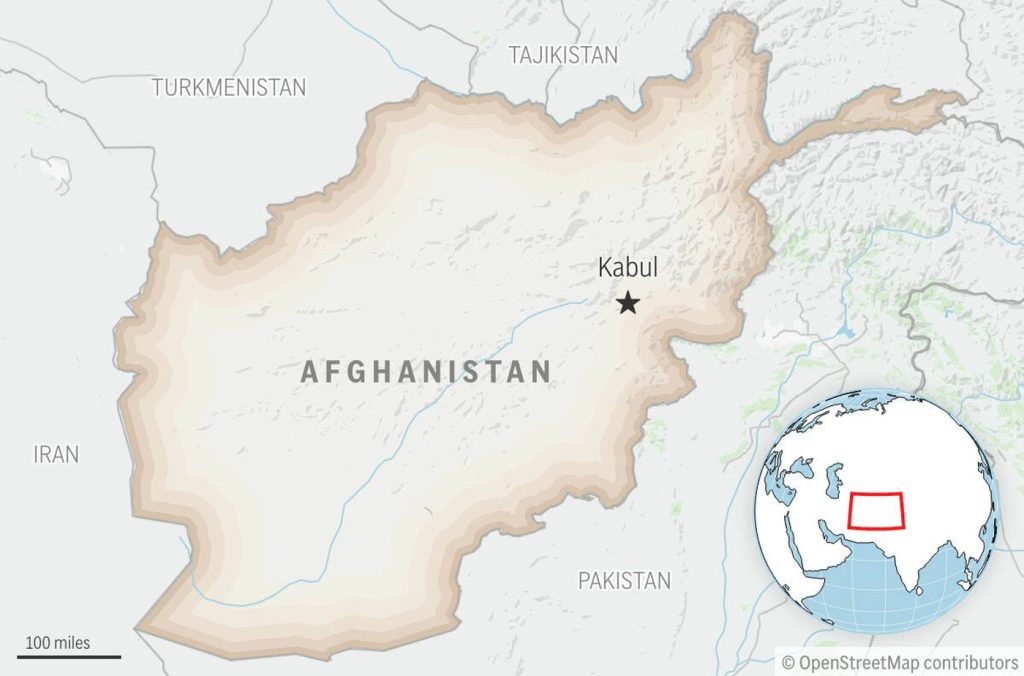
GENEVA (AP) - The United Nations refugee agency has reported a significant return of Afghans from neighboring Pakistan and Iran, pushing Afghanistan toward a critical humanitarian crisis. A total of 5.4 million individuals have returned to Afghanistan since October 2023, according to Arafat Jamal, the UNHCR’s Afghanistan representative, during a U.N. briefing conducted via video link from Kabul.
Jamal highlighted the unprecedented scale of these returns, which is largely due to Pakistan’s implementation of a major crackdown beginning in October 2023. The Pakistani government has expelled migrants lacking documents, urging those living there to depart voluntarily to avoid detention and forced deportation. Simultaneously, Iran initiated its own crackdown on migrants, prompting a surge in those returning to Afghanistan.
Among the returnees are individuals who had spent decades in Pakistan, where they had established families and businesses. Last year, alone saw 2.9 million people return, marking it as the highest number of returns to a single country recorded. The Taliban government in Afghanistan has criticized the mass expulsions from their neighboring countries, reflecting the broader tensions surrounding migration in the region.
The return of these millions comes at a time when Afghanistan is grappling with severe humanitarian hardships. The influx, equating to 12% of the country’s population, has exacerbated an already fragile situation marked by economic instability and a troubling human rights environment, particularly concerning the rights of women and girls. Arafat Jamal indicated that the massive number of returnees has placed unbearable pressure on Afghanistan’s limited resources.
In the first month and a half of the new year, approximately 150,000 individuals have already returned. Afghan authorities are providing limited assistance in the form of care packages that include food, cash, a telephone SIM card, and transportation to areas where returnees may have family. However, these measures have been insufficient in addressing the challenges posed by a weak economy, severe drought conditions, and the impacts of two catastrophic earthquakes.
A November report from the U.N. Development Program revealed that nine out of ten families in regions with high return rates are resorting to negative coping strategies, which include skipping meals, accruing debt, or selling personal items to survive. Jamal expressed deep concern regarding the sustainability of these returns, emphasizing that while only 5% of returnees have indicated they would leave Afghanistan again, more than 10% are aware of someone who has already departed.
"These decisions to undertake perilous journeys are not based on a lack of desire to stay in the country. On the contrary, they reflect a reality where many individuals are unable to rebuild viable and dignified lives," Jamal stated, underlining the dire circumstances faced by returnees.
Overall, the ongoing situation in Afghanistan remains precarious, with the inflow of returnees compounding existing humanitarian challenges and threatening the stability of the nation. The international community continues to monitor these developments closely, as the future for millions of returning Afghans hangs in the balance amid a crumbling domestic situation.








