

Recent Gallup polling indicates a significant shift in American sympathies towards the Palestinians in the Middle East, marking a departure from decades of predominant support for Israel. The survey shows that only 36% of Americans currently sympathize more with Israelis, while 41% express greater sympathy for Palestinians. This change reflects evolving sentiments, particularly among Democrats, and holds major implications for political discourse and foreign policy in the United States.
The shift in public support for Israel and Palestine has been evolving since around 2017, but it intensified following the Israel-Hamas war that began with an attack on October 7, 2023. Just three years prior to this conflict, a Gallup poll indicated that 54% of Americans identified more with Israelis against 31% who favored Palestinians. The margin of error in the latest survey stands at plus or minus four percentage points, suggesting that public sentiment is now closely aligned between the two groups.
Among Democrats, roughly two-thirds now express sympathy for Palestinians, a dramatic increase from around 50% who identified with Israelis as recently as 2016. The findings reflect a growing divide within the party regarding U.S. assistance to Israel, which has emerged as a contentious issue during this year's primaries. Progressive politicians and activists have increasingly labeled Israel's military actions in Gaza as acts of genocide, a claim that the Israeli government denies vehemently.
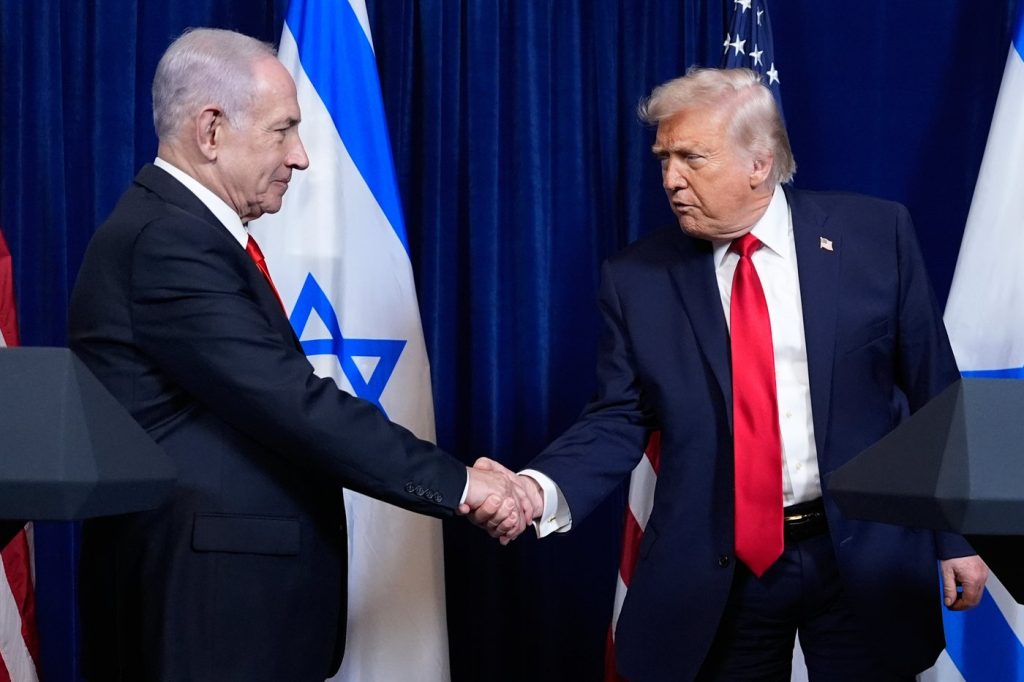
Gallup's survey reveals that the shifting sympathies were already in motion before the onset of the conflict. The perceptions concerning Israeli leadership also contributed to this trend; for instance, Prime Minister Benjamin Netanyahu's popularity among Americans has diminished by nearly 15 percentage points between 2017 and 2024. His complicated relationship with U.S. leaders, notably former President Barack Obama and Donald Trump, has influenced American public sentiment significantly.
The widening chasm over the Israeli-Palestinian conflict has also involved independents. For the first time, this year, independents reported more sympathy for Palestinians—40% compared to 30% for Israelis. Meanwhile, about 70% of Republicans still favor Israel, although this figure represents a decrease from approximately 80% before the Israel-Hamas war.
Generational divides are apparent in the survey results, with younger Americans, particularly those aged 18 to 34, displaying the most pronounced sympathy for Palestinians. Around 50% of this demographic sympathizes with Palestinians as opposed to just 25% toward Israelis. Additionally, middle-aged Americans (ages 35 to 54) have also begun to lean more towards the Palestinians, reversing their previous positions. In contrast, older Americans (55+) remain more supportive of Israel, though this demographic's support has also waned.
Gallup data further reveals that about 57% of U.S. adults support the establishment of an independent Palestinian state in the West Bank and Gaza Strip, a consistent figure over the past few years. However, support varies significantly along partisan lines, with approximately 75% of Democrats and around 60% of independents favoring this solution, while only a third of Republicans agree.
This divergence in opinion extends to those directly impacted by potential solutions to the conflict. A Gallup World Poll conducted in 2025 indicated that only about 30% of both Israelis and Palestinians support the two-state solution—showing a stark contrast to the broader American public opinion on the matter. These discrepancies suggest an ongoing disconnect between American views and the regional realities of those most affected by the conflict.








